



Autonomous Vehicles Will Cause Less Accidents with Costlier Repairs, Insurer Says
The adoption of autonomous driving technology will lead to fewer accidents, but the collisions that do occur will likely result in costlier repairs and raise difficult questions relating to driver and manufacturer liability, victim compensation and data collection, The Travelers Institute argues in a new whitepaper.

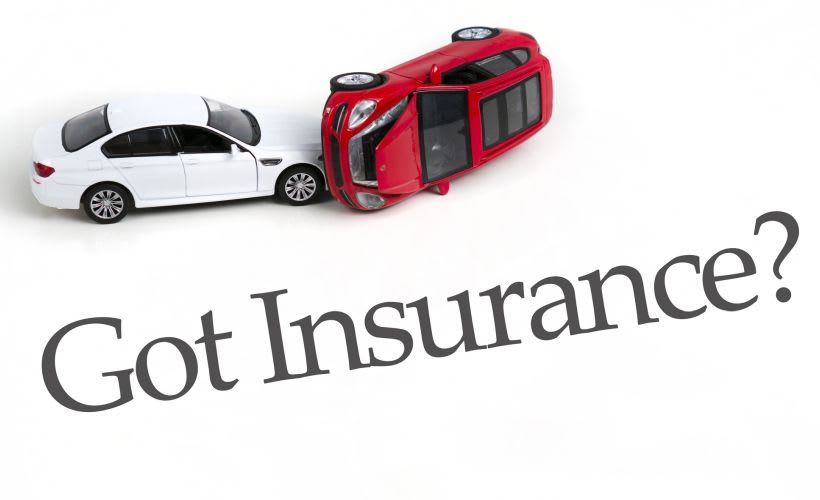
The Travelers Institute explores the insurance ramifications of self-driving cars in a new whitepaper.
Photo via Pictures of Money/Flickr.
The adoption of autonomous driving technology will lead to fewer accidents, but the collisions that do occur will likely result in costlier repairs and raise difficult questions relating to driver and manufacturer liability, victim compensation and data collection, The Travelers Institute argues in a new whitepaper.
The general risks that come with vehicle ownership, autonomous or not, will also remain, including risks related to weather and theft.
The whitepaper outlines the insurer's perspective and recommendations on key public policy issues including roadway safety that are linked to fast-emerging autonomous vehicle technology.
Travelers' believes that self-driving vehicles will ultimately benefit society by reducing the number of accidents, injuries, and lost lives, notes the report. Data gathered in the report suggests that autonomous vehicles are potentially safer than human-operated vehicles.
For example, according to study by the Insurance Institute for Highway Safety, Google's nearly 60 driverless vehicles, which covered more than two million miles, have been involved in fewer than two dozen collisions. None of them were caused by a failure of the autonomous system, according to the whitepaper.
In fact, the insurance industry may eventually see collision rates decline sharply as adoption rises. In a series of 2017 reports on the likely impact of autonomous vehicles on the auto insurance industry, KPMG estimated a 90% reduction in accident frequency by 2050.
While there is potential for improved safety, recent high-profile collisions are a reminder of how much more there is to learn and test regarding self-driving vehicles, according to Travelers.
The white paper also offers the following recommendations to facilitate an effective auto insurance system:
Develop a model state law relating to autonomous vehicle insurance that builds on the current state-based regulatory and oversight structure.
Require vehicle owners — including personal, ride-sharing and company-owned vehicles — to purchase and maintain adequate insurance.
Provide for sufficient coverage to account for the more expensive technology used in autonomous vehicles.
Establish strong cybersecurity requirements for autonomous vehicles, including appropriate data-sharing protocols.
Utilize insurers' extensive consumer communication programs to help educate customers and the public on autonomous vehicle safety.
Ensure representation of the insurance industry in policymaking and stakeholder forums.
For more information, read the full whitepaper here.
Related: Insurance and Energy Industries are Embracing the Use of Drones
Originally posted on Automotive Fleet
More Rental Operations
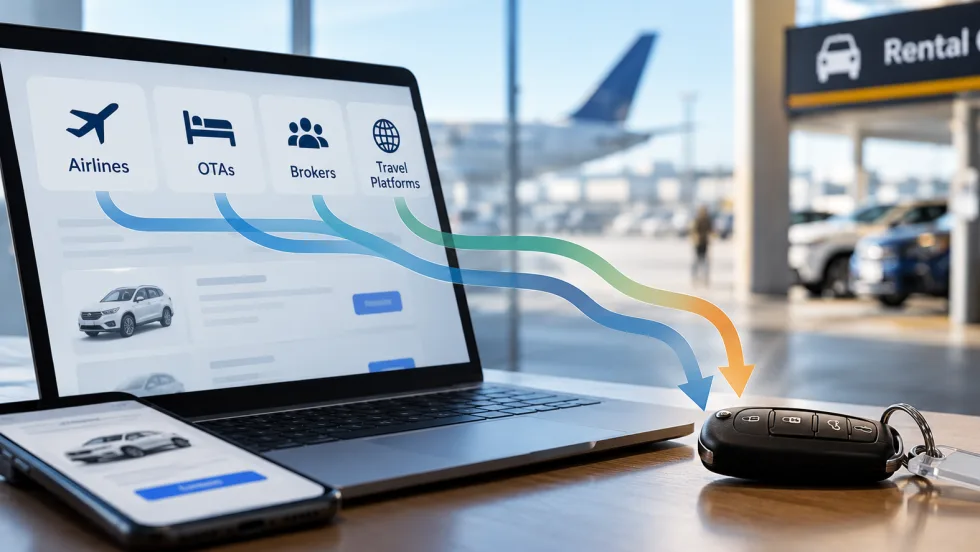
Direct, Broker or Hybrid? How Travel Retailers Source Rental Cars
As travel retailers weigh direct supplier relationships against third-party distribution, rental operators need to understand how those decisions affect their business.
Read More →
How Did This Independent Rental Operator Grow to 170 Vehicles in 4 Years?
With 170 vehicles across three Kentucky locations, Joel Price relies on an overseas team to handle reservations, payments, and after-hours customer service. It's one part of an unconventional approach to growing an independent rental operation.
Read More →
What Does It Take to Succeed in B2B Rentals?
The fundamentals may be familiar to daily car rental operators, but project-based truck rentals put different demands on the fleet and the business.
Read More →
NPR Builds on International Partnerships to Grow Rental Bookings
With Ana Laborde supporting broker development, NPR Auto Group is tailoring distribution strategies, rate packages, and partnerships to grow international reservations across its three brands.
Read More →
Advantage, Sixt Place Among Top Five in Annual Satisfaction Study
While Enterprise and National retain the top spots in JD Power’s 2026 rankings, the latest customer satisfaction results suggest renters can find competitive service beyond the biggest car rental names.
Read More →
The $100,000 Insurance Trap in Exotic Car Rentals
Exotic rental agencies often rely on customers’ personal auto policies to protect six-figure vehicles. But policy language can dramatically change the coverage for vehicles over $100,000 MSRP.
Read More →
The Booking Is Confirmed, But Is Your Customer Ready to Drive?
For international renters, a confirmed reservation doesn’t always mean they’re eligible to drive. Earlier checks can help operators catch documentation and payment issues before the customer reaches the counter.
Read More →
ICRS 2027 Opens Call for Papers
The International Car Rental Show seeks session proposals on the business, operational, and technology issues facing car rental operators. Submissions are due Jan. 15.
Read More →
Turo to Launch Vehicle Delivery Service
Turo Delivered will let travelers search for vehicles that hosts can deliver directly to hotels, homes, airports, train stations, and other locations.
Read More →
Palm Beach Airport Code Change Creates Car Rental Distribution Gap
A test of rental searches under the old PBI and new DJT airport codes returned largely different sets of brands and vehicles, highlighting a potential distribution problem for rental operators.
Read More →