




Avis Wins N.J. Supreme Court Case Involving Liability
TRENTON, N.J. -- The New Jersey Supreme Court on March 29 reversed an earlier Appellate Court ruling that Avis' status as a self-insurer automatically made the company's liability coverage primary in a case arising from a 1999 car accident on the Atlantic City expressway.
TRENTON, N.J. -- The New Jersey Supreme Court on March 29 reversed an earlier Appellate Court ruling that Avis' status as a self-insurer automatically made the company's liability coverage primary in a case arising from a 1999 car accident on the Atlantic City expressway.
The state Supreme Court acknowledged that the rental agreement stipulated that Avis' coverage was excess to the renter's personal auto liability insurance. But since the renter's policy had an excess-coverage clause as well, the justices ruled that Avis and Farmers shared liability equally.
In presenting Avis' case to the Supreme Court, attorney John McDonough III sought to persuade the justices to acknowledge the rental agreement's excess-coverage clause and to acknowledge that the rental customer, Richard Brown Jr., knowingly declined supplemental liability insurance, McDonough said.
At issue were competing excess insurance clauses. The Supreme Court decision to make Farmers share in the liability is "obviously a huge victory for the car rental industry," McDonough said in a phone interview after the decision. McDonough is an attorney with the firm Cozen O'Connor in New York. Cozen O'Connor began representing Avis in the case following the lower court decisions.
If Brown had purchased SLI, Avis coverage would have been primary, with combined liability limits of $1 million per person and $1 million per accident.
Back in April 1999, Brown rented a car from an Avis location in Cherry Hill, N.J. Avis had registered the car in Pennsylvania, where the company is self-insured. Brown's personal auto insurance policy from Farmers included a clause that made its coverage excess to all other collectible coverage. Brown's liability coverage had limits of $100,000 per occurrence and $300,000 per accident.
The Avis rental agreement, which Brown signed, stipulated that unless the customer purchased SLI, Avis' coverage was excess of any insurance available to the renter or any driver. It didn't matter whether the renter's insurance was primary, excess, secondary or contingent in any way, the rental contract indicated.
The accident occurred on April 12, when Brown's rental car rear-ended a car driven by Dominick Coia Jr. After missing his exit, Coia had slowed down and was preparing to make an illegal U-turn when the collision occurred.
Patricia Robinson, a passenger in Brown's rental car, sued Coia, Brown and Avis for personal injuries she suffered in the accident.
Brown, through attorneys that Farmers assigned, answered the complaint and later cross-claimed. He asked the court to declare that Avis, as a self-insurer, had to provide primary coverage to him and pay his legal expenses. In response, Avis argued that its insurance was secondary to Farmers and that Avis had no obligation to pay for Brown's defense. But the trial court ruling held that Avis was the primary insurer, because the rental agreement between Brown and Avis was not part of the car rental company's terms of self-insurance. As a result of the ruling, Avis had to assume the cost of Brown's defense against Robinson's personal injury suit.
Once the personal injury case was over, Avis appealed to the Appellate Division. Avis again argued that its rental agreement provided excess coverage only, leaving Brown's personal policy primary. Avis also sought reimbursement for costs associated with defending Brown. But the majority of the judges on the case ruled that because Avis was self-insured, the company was obligated to provide primary coverage to Brown. The reasoning was that the excess-coverage clause in the rental agreement did not carry the same weight as such a clause in an actual insurance policy -– and Avis did not have an insurance policy per se.
Judge Wecker, however, dissented. He concluded that Avis, as a self-insurer, owed Brown the minimum mandatory liability coverage as spelled out in its rental agreement –- the same coverage required for all New Jersey car insurance policies as required by state law. Because both parties had excess-coverage clauses, Judge Wecker concluded they should share liability equally. Wecker's dissenting opinion formed the basis for the appeal to the Supreme Court and for that court's ruling.
Farmers' attorneys, representing Brown, had also argued that Avis' counter agents offered SLI coverage without the necessary license to sell insurance. This was one reason why the case attracted industry-wide attention.
The New Jersey Supreme Court held that Avis' status as a self-insurer wasn't a factor in the case; a rental company can self-insure to comply with statutory liability requirements. Moreover, the court ruled, state liability requirements don't mandate that a rental company's insurance policy -– or self-insurance –- must assume primary position in cases involving a renter's liability to third parties. Because the Supreme Court recognized the excess-coverage clauses of both parties, the judges concluded that Farmers and Avis were co-primary.
The Supreme Court decision represents a victory for both the car rental industry and for its consumers, McDonough said. If the Supreme Court had upheld the lower courts' decisions, the industry's added liability costs would have eventually had an impact on pricing.
More Fleet Insurance
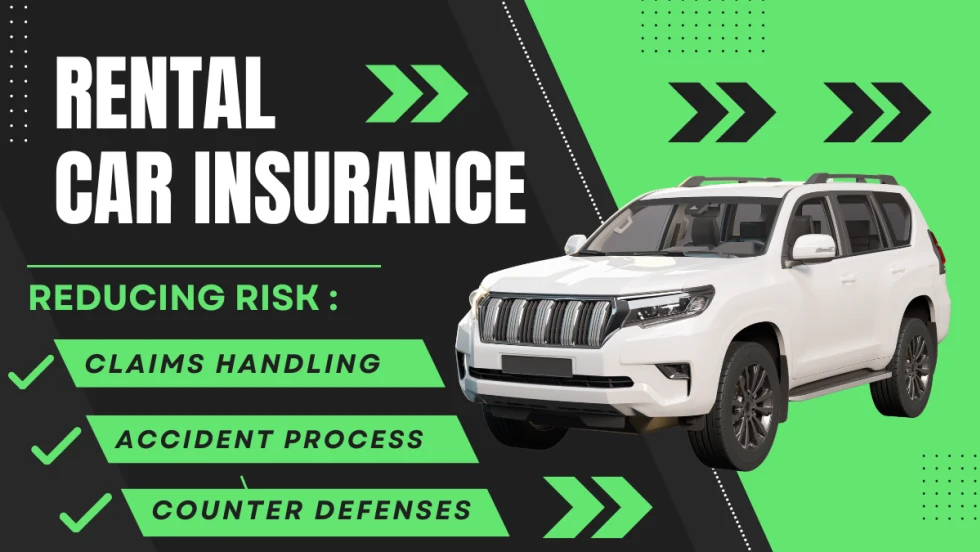
Hanging By A Vote: What the Hertz Insurance Ruling Means for Rental Operators
A recent precedent-setting court case points to the precautions and steps a rental fleet operation should take to minimize risk, reduce exposure, and avert legal consequences.
Read More →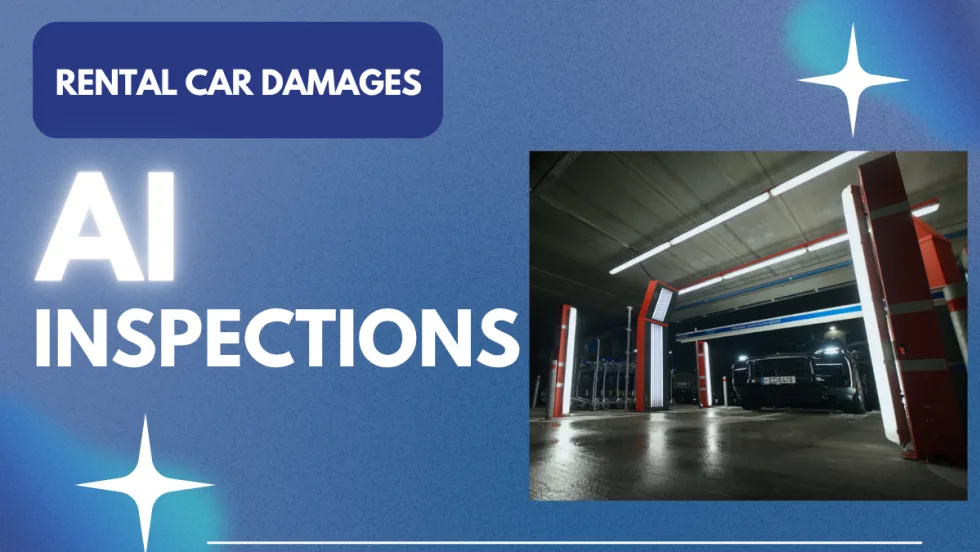
Using AI to Create Clarity, Not Conflict, in Rental Car Damage
Rental companies still need people, policy, judgment, and thoughtful implementation, with operators remaining in control of the customer experience.
Read More →
Go Rentals, Repair Provider Partner To Ease Insurance Claims Experience
The arrangement helps reduce the stress of collision repair for vehicle owners by connecting them to reliable, timely rental cars.
Read More →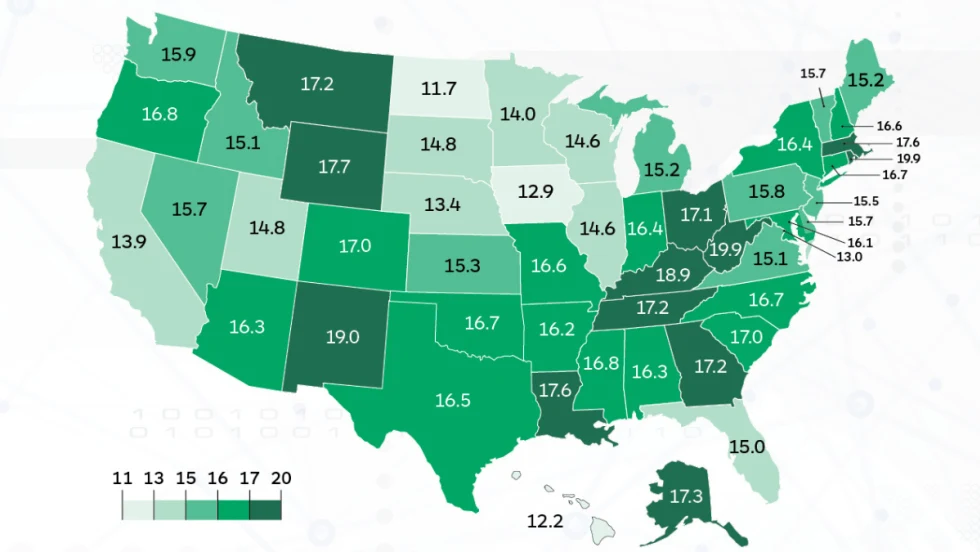
U.S. Collision-Related Rental Length of Rental Declined Modestly in Q4 2025
While LOR continues to decrease from post-pandemic highs, ongoing market and economic conditions could impact future results.
Read More →
Beyond The Rental Desk: Inside Car Rental’s Push To Simplify
Greater transparency, simplified digital access, and connected fleets will be the key factors in determining who comes out on top over the next 10 years.
Read More →
Tripiamo Brings Certified Driving Confidence Training For Car Renters
Driving abroad is one of the leading causes of death among international travelers, who are not used to new traffic patterns.
Read More →
AI in Car Rental Should Be the Customer’s Advocate, Not Accuser
Opinion/Editorial: What happens when AI randomly overcharges car renters outrageous fees and penalties?
Read More →
TSD Mobility, Canopy Connect Partner to Ease Insurance Verification
The new integration brings streamlined functionality to rental agents and dealerships.
Read More →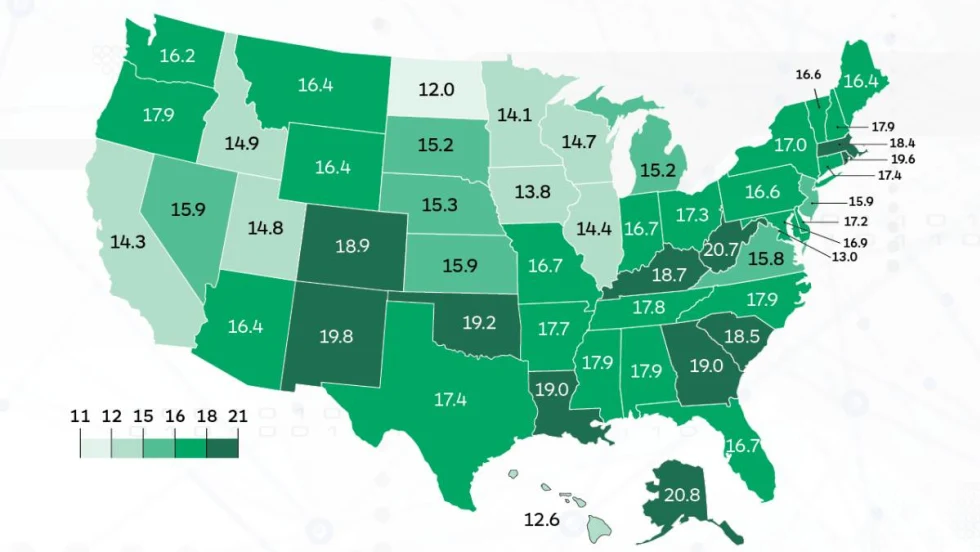
Length of Rental Could Be Finding a New Normal of More Days
The industry may not be returning to the lower LORs of 2019 and 2020 as two years of declining repair shop backlogs appear to flatline.
Read More →
Gallagher Insurance Hires Broker Focused on Rental Car Operations
The former rental fleet executive informs his insurance practices with the everyday realities of managing rented vehicles.
Read More →