


CAFE to Increase to 54.5 MPG by 2025
WASHINGTON - The administration's new program proposes vehicle performance equivalent to 54.5 mpg or 163 grams/mile of CO2 by MY-2025.
WASHINGTON - President Barack Obama announced an agreement with 13 automakers to increase the corporate average fuel economy (CAFE) standard to 54.5 miles per gallon for cars and light-duty trucks by model-year 2025.
The new program would increase the passenger car fuel-economy standard by 5 percent each year, from 2017 to 2025. The standard for pickup trucks and other light-duty trucks would increase by 3.5 percent per year for the first five years and 5 percent for the last four model-years.
Although the agreement specifies 54.5 mpg as the goal, the actual wording states “performance equivalent to 54.5 mpg or 163 grams/mile of CO2." The Obama administration claims Americans will save $1.7 trillion dollars in fuel costs. Average fuel savings claimed will be more than $8,000 per vehicle by 2025. The administration also claims these new standards would cut more than 6 billion metric tons of greenhouse gases emitted during this program.
Due to the timeframe, the EPA and NHTSA will propose a mid-term evaluation in 2018 of how these standards impact manufacturers' costs, technology, and sales, according to the administration.
Also, the EPA and NHTSA are considering incentive programs to encourage adoption of fuel-saving and emissions-reduction technologies, including the following:
Incentives for electric vehicles, plug-in hybrid electric vehicles, and fuel cell vehicles
Incentives for advanced technology packages for large pickups, such as hybridization
Credits for technologies with potential to achieve CO2 reductions and fuel-economy improvements not captured by standard test procedures
In addition, the EPA said it plans to propose provisions for:
Credits for improvements in air conditioning (A/C) systems
Treatment of compressed natural gas (CNG)
Continued credit banking and trading, including a one-time carry-forward of unused MY 2010-2016 credits through MY 2021.
Companies and organizations involved in development of the proposed standard include Ford, GM, Chrysler, BMW, Honda, Hyundai, Jaguar/Land Rover, KIA, Mazda, Mitsubishi, Nissan, Toyota, and Volvo, the United Auto Workers Union, and the State of California.
The administration also releaed a new report entitled Driving Efficiency: Cutting Costs for Families at the Pump and Slashing Dependence on Oil, related to this initiative.
Originally posted on Automotive Fleet
More Rental Operations
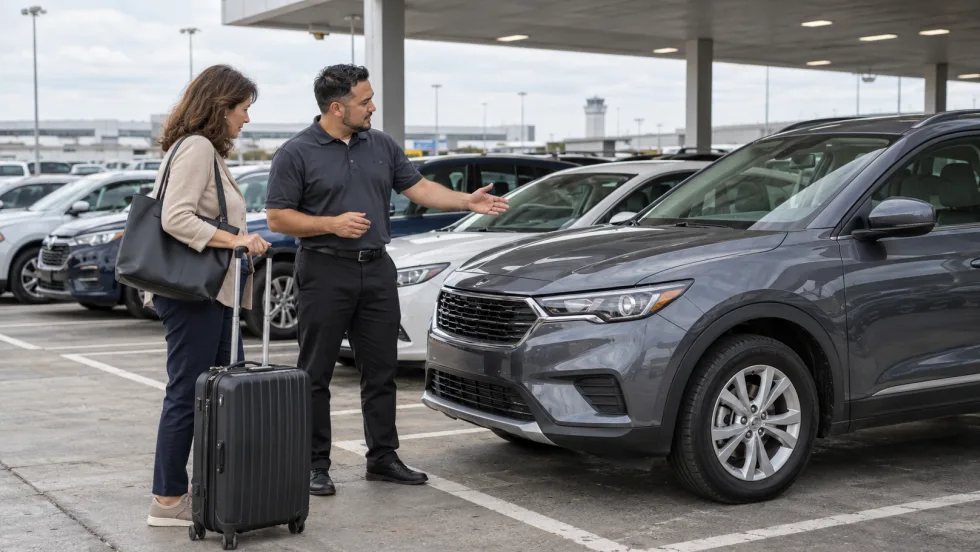
Advantage, Sixt Place Among Top Five in Annual Satisfaction Study
While Enterprise and National retain the top spots in JD Power’s 2026 rankings, the latest customer satisfaction results suggest renters can find competitive service beyond the biggest car rental names.
Read More →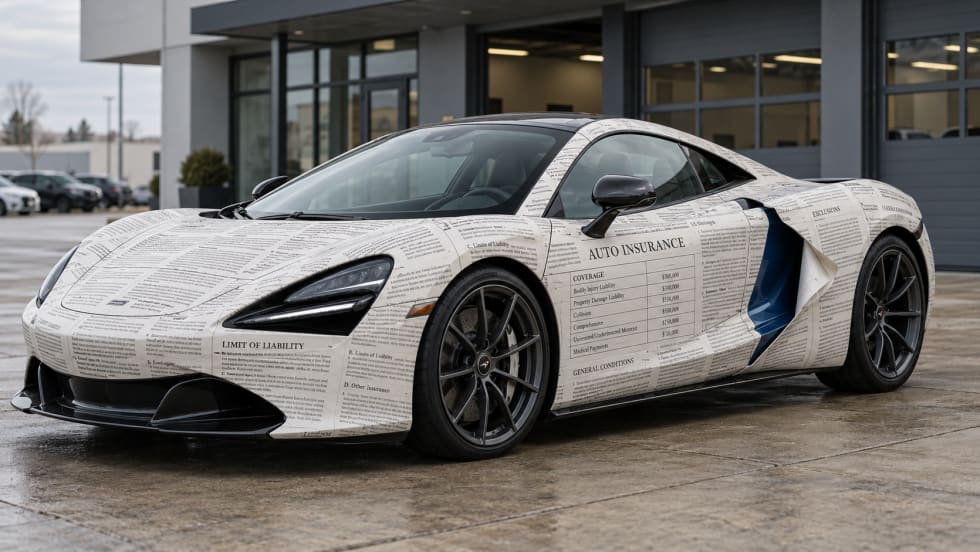
The $100,000 Insurance Trap in Exotic Car Rentals
Exotic rental agencies often rely on customers’ personal auto policies to protect six-figure vehicles. But policy language can dramatically change the coverage for vehicles over $100,000 MSRP.
Read More →
The Booking Is Confirmed, But Is Your Customer Ready to Drive?
For international renters, a confirmed reservation doesn’t always mean they’re eligible to drive. Earlier checks can help operators catch documentation and payment issues before the customer reaches the counter.
Read More →
ICRS 2027 Opens Call for Papers
The International Car Rental Show seeks session proposals on the business, operational, and technology issues facing car rental operators. Submissions are due Jan. 15.
Read More →
Turo to Launch Vehicle Delivery Service
Turo Delivered will let travelers search for vehicles that hosts can deliver directly to hotels, homes, airports, train stations, and other locations.
Read More →
Palm Beach Airport Code Change Creates Car Rental Distribution Gap
A test of rental searches under the old PBI and new DJT airport codes returned largely different sets of brands and vehicles, highlighting a potential distribution problem for rental operators.
Read More →
U-Save Continues Dominican Republic Expansion with Launch in Punta Cana
The new franchise location builds on U-Save’s existing Santo Domingo operation and will begin taking reservations for October 2026.
Read More →
When AI Books the Rental Car, Who Controls the Sale?
As AI moves from comparing rental rates to completing transactions, operators need to understand how travelers find, interpret, rank, and ultimately see their offers. (Part 2 of 2.)
Read More →
European Booked Car Rental Rates Fell 5%, Results Varied by Country
Ireland, Cyprus, and the United Kingdom saw steep declines, while booked rates rose in Poland and Hungary.
Read More →
Is It Time to Rethink Rental Categories?
As traditional economy and compact cars disappear from the market, longtime rental operator Mike DeLorenzo asks whether the industry’s familiar vehicle categories still make sense — and what operators need to rethink along with them.
Read More →