


Clean Energy to Provide CNG Fueling Services to SuperShuttle Vans
Under the terms of the new five-year agreement, SuperShuttle vans will fuel up at existing and future public access Clean Energy compressed natural gas stations at major airports in Dallas/Fort Worth, Denver, New York City, Phoenix and six airports in California.
Clean Energy Fuels Corp. will provide SuperShuttle International, a shared-ride ground transportation operator, with compressed natural gas (CNG) fueling services to SuperShuttle vans operating at major US airports nationwide.
Under the terms of the new five-year agreement, SuperShuttle vans will fuel up at existing and future public access Clean Energy CNG stations located at airports, including Dallas/Fort Worth, Denver, New York City, Phoenix and, in California, Los Angeles, Burbank, Ontario, Orange County, San Francisco and San Diego.
As part of the initial deployment, SuperShuttle ordered 40 new CNG vans for San Francisco International Airport through BAF, Clean Energy's subsidiary. The new fleet will fuel at Clean Energy's SFO station and its growing Bay Area network.
"Aware of the impact of harmful vehicle emissions on air and environmental quality, anxious to reign in fuel costs, and concerned about reducing foreign oil imports, allied airport service providers like SuperShuttle are actively transitioning their fleets to natural gas fuel," said James Harger, chief marketing officer of Clean Energy.
"SuperShuttle first deployed natural gas shared-ride ground transportation vans in the mid-1990s, setting a powerful example for America's fleet operators to follow. The company deserves special commendation for its leadership in the growing national movement to switch vehicle fleets to clean-burning, domestic, cost-efficient natural gas power," Harger said.
Natural gas fuel costs less than diesel or gasoline and produces up to 30 percent less greenhouse gas emissions in light-duty vehicles, and up to 23 percent less greenhouse gas emissions in medium- to heavy-duty applications.
More Rental Operations

What Does It Take to Succeed in B2B Rentals?
The fundamentals may be familiar to daily car rental operators, but project-based truck rentals put different demands on the fleet and the business.
Read More →
NPR Builds on International Partnerships to Grow Rental Bookings
With Ana Laborde supporting broker development, NPR Auto Group is tailoring distribution strategies, rate packages, and partnerships to grow international reservations across its three brands.
Read More →
Advantage, Sixt Place Among Top Five in Annual Satisfaction Study
While Enterprise and National retain the top spots in JD Power’s 2026 rankings, the latest customer satisfaction results suggest renters can find competitive service beyond the biggest car rental names.
Read More →
The $100,000 Insurance Trap in Exotic Car Rentals
Exotic rental agencies often rely on customers’ personal auto policies to protect six-figure vehicles. But policy language can dramatically change the coverage for vehicles over $100,000 MSRP.
Read More →
The Booking Is Confirmed, But Is Your Customer Ready to Drive?
For international renters, a confirmed reservation doesn’t always mean they’re eligible to drive. Earlier checks can help operators catch documentation and payment issues before the customer reaches the counter.
Read More →
ICRS 2027 Opens Call for Papers
The International Car Rental Show seeks session proposals on the business, operational, and technology issues facing car rental operators. Submissions are due Jan. 15.
Read More →
Turo to Launch Vehicle Delivery Service
Turo Delivered will let travelers search for vehicles that hosts can deliver directly to hotels, homes, airports, train stations, and other locations.
Read More →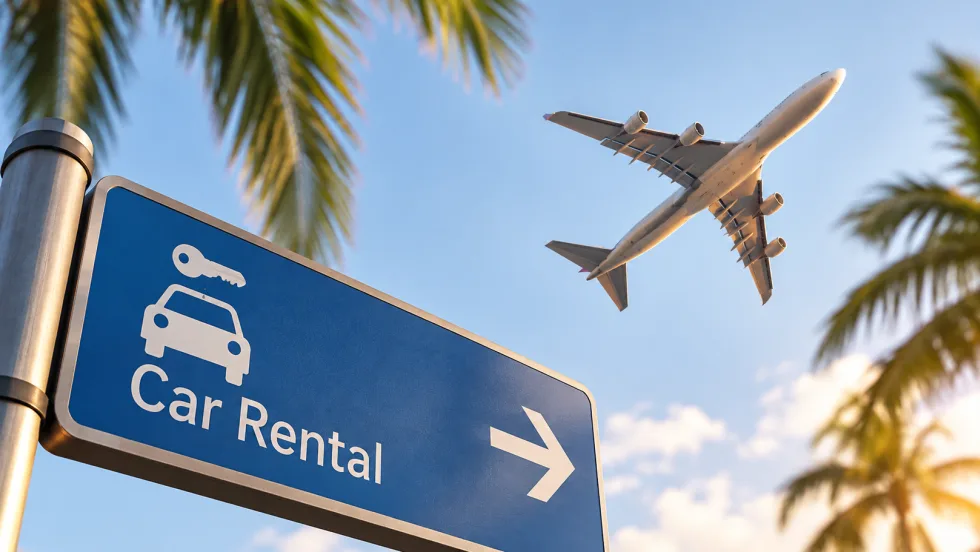
Palm Beach Airport Code Change Creates Car Rental Distribution Gap
A test of rental searches under the old PBI and new DJT airport codes returned largely different sets of brands and vehicles, highlighting a potential distribution problem for rental operators.
Read More →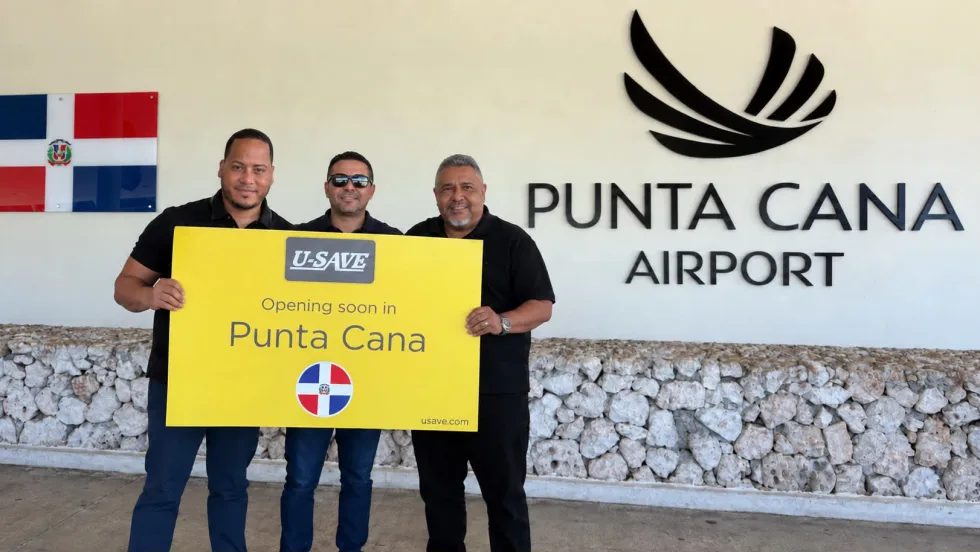
U-Save Continues Dominican Republic Expansion with Launch in Punta Cana
The new franchise location builds on U-Save’s existing Santo Domingo operation and will begin taking reservations for October 2026.
Read More →
When AI Books the Rental Car, Who Controls the Sale?
As AI moves from comparing rental rates to completing transactions, operators need to understand how travelers find, interpret, rank, and ultimately see their offers. (Part 2 of 2.)
Read More →