



Detroit 3 Slash Sales to Fleets
Chrysler's 17% cut sets pace; automakers shift strategy to protect residual values.
Despite a brutal retail sales slump, the Detroit Three continue to cut the number of light vehicles they sell to daily rental companies, Automotive News reports.
Through the first four months of 2008, General Motors, Ford Motor Co. and Chrysler LLC have reduced U.S. sales to fleet buyers, according to an analysis of data supplied by R.L. Polk & Co., an automotive data research firm in suburban Detroit.
Through April, Chrysler reduced fleet sales by about 45,000 units, or 17 percent, from a year earlier. GM cut fleet sales by nearly 40,000 units, or 14 percent. And Ford Motor's fleet sales fell 25,000 units, or 9 percent. Automakers consider it important to limit such sales because heavy fleet sales can damage a brand's residual values. Fleet sales to corporate customers can be profitable, but sales to daily rental fleets typically are not.
In previous downturns, the Detroit Three sometimes dumped unwanted vehicles into daily rental fleets, ruining resale values when Hertz, Avis and others sent their cars and trucks to auctions.
According to Automotive News, as the Detroit Three reduce fleet sales, other automakers are stepping into the gap. For example, Toyota's estimated fleet sales rose about 10,000 units to 85,000 in the first four months. That's 11 percent of Toyota's total sales, up from 9 percent a year earlier.
More Rental Operations

Hertz, Avis: Parsing the Q3 Headwinds and Tailwinds
Third-quarter results from Hertz and Avis show resilient pricing despite softer travel demand. Meanwhile, higher operating costs, recalls, uneven vehicle depreciation, and international weakness continue to put pressure on profits.

How Better Cleaning Processes Improve Rental Fleet Efficiency
A consistent approach to vehicle cleaning helps rental operators reduce turnaround delays and return vehicles to service without compromising cleanliness.
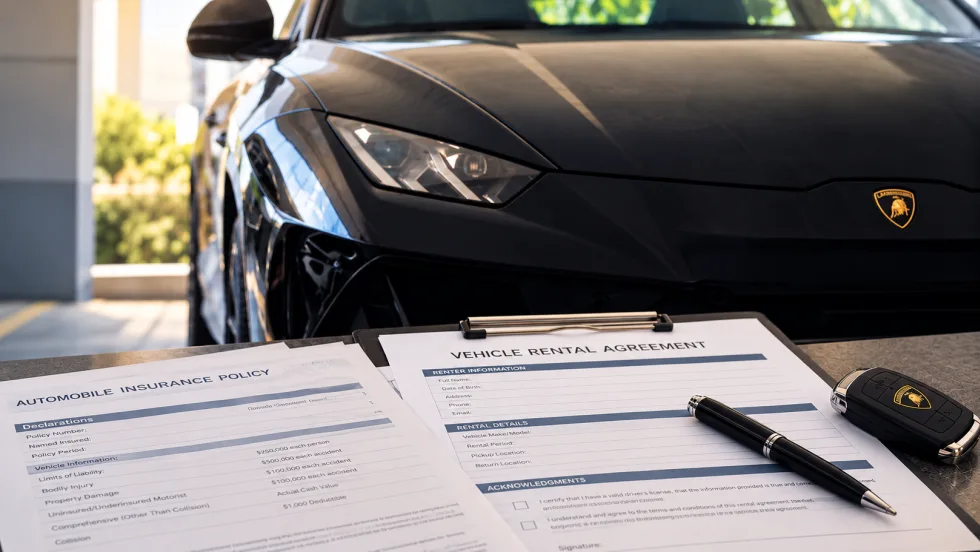
Clean on Paper: Red Flags in Exotic Car Rental Verification
A suspicious $45,000 Lamborghini booking reveals the strengths and limitations of renter verification, from forged insurance documents to coverage gaps and unauthorized drivers. (Part 2 of 3)
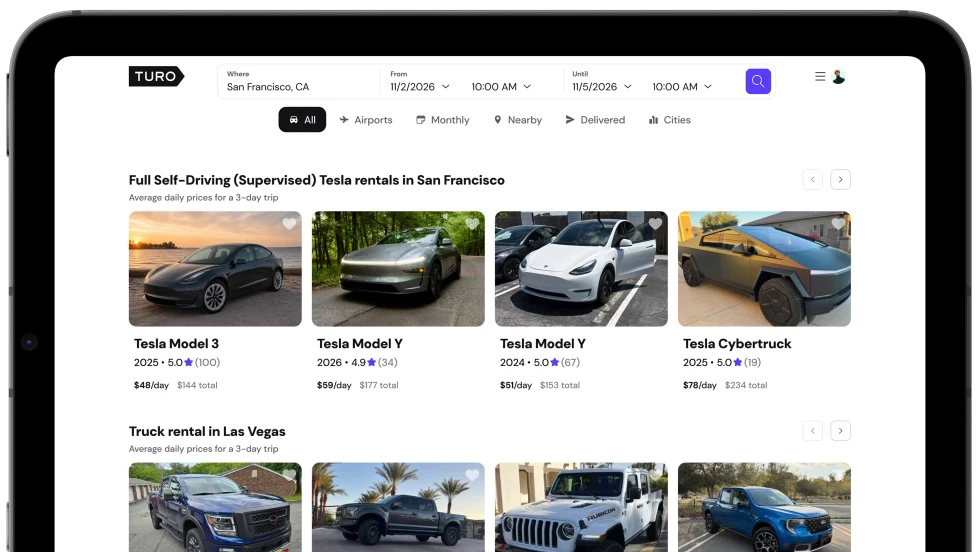
Turo and Tesla Take the Next Step Toward Autonomous Car Rentals
The partnership brings Tesla's Full Self-Driving (Supervised) technology into the rental experience, offering a glimpse of how increasingly automated vehicles could change car rental.
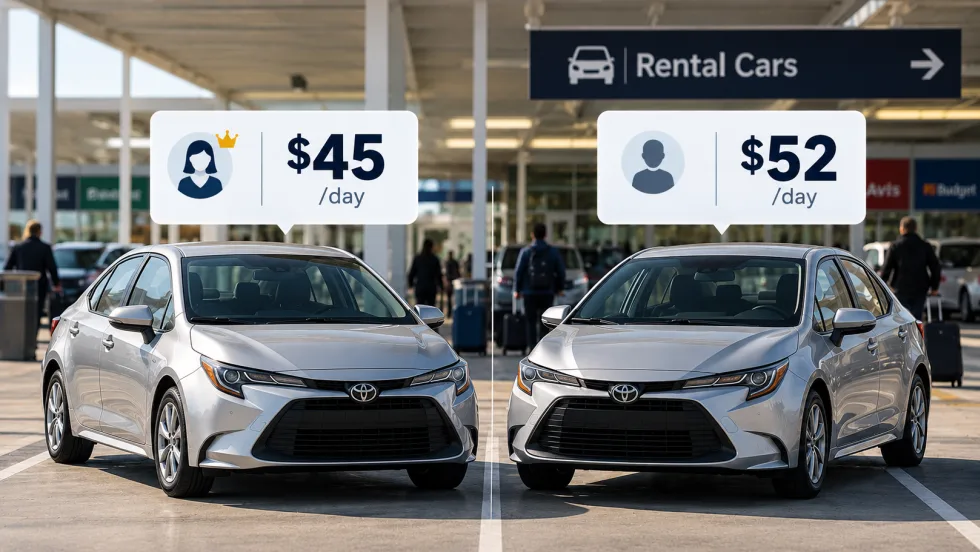
How Rental Operators Can Navigate Personalized Pricing Rules
As regulators scrutinize the use of customer data in pricing, rental operators need to know whether they can explain why one renter pays more than another.
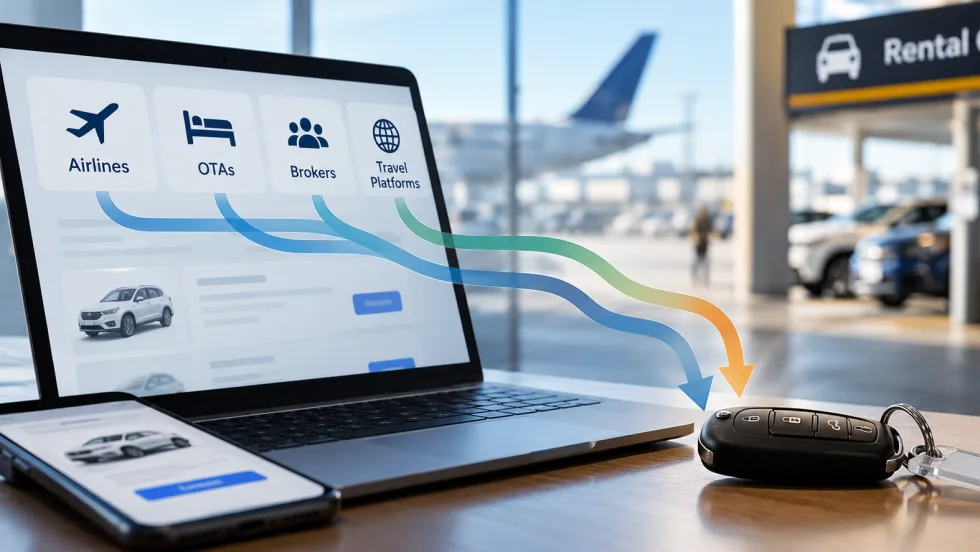
Direct, Broker or Hybrid? How Travel Retailers Source Rental Cars
As travel retailers weigh direct supplier relationships against third-party distribution, rental operators need to understand how those decisions affect their business.

How Did This Independent Rental Operator Grow to 170 Vehicles in 4 Years?
With 170 vehicles across three Kentucky locations, Joel Price relies on an overseas team to handle reservations, payments, and after-hours customer service. It's one part of an unconventional approach to growing an independent rental operation.

What Does It Take to Succeed in B2B Rentals?
The fundamentals may be familiar to daily car rental operators, but project-based truck rentals put different demands on the fleet and the business.

NPR Builds on International Partnerships to Grow Rental Bookings
With Ana Laborde supporting broker development, NPR Auto Group is tailoring distribution strategies, rate packages, and partnerships to grow international reservations across its three brands.

Advantage, Sixt Place Among Top Five in Annual Satisfaction Study
While Enterprise and National retain the top spots in JD Power’s 2026 rankings, the latest customer satisfaction results suggest renters can find competitive service beyond the biggest car rental names.