


DOT Finds No Electronic Flaws in Toyotas Cause Unintended Acceleration
WASHINGTON - A 10-month study by the U.S. DOT did not find any electronic system flaws in Toyota vehicles capable of producing unintended acceleration incidents.
WASHINGTON - A 10-month study by the U.S. Department of Transportation did not find any electronic system flaws in Toyota vehicles capable of producing the large throttle openings required to create dangerous high-speed unintended acceleration incidents, according to the National Highway Traffic Safety Administration (NHTSA).
“We enlisted the best and brightest engineers to study Toyota’s electronics systems, and the verdict is in. There is no electronic-based cause for unintended high-speed acceleration in Toyotas," said U.S. Transportation Secretary Ray LaHood.
NHTSA launched the investigation and conducted the study at the request of Congress and enlisted NASA engineers to find out whether any issues with the electronics in Toyota vehicles played a role.
"NASA found no evidence that a malfunction in electronics caused large unintended accelerations," said Michael Kirsch, Principal Engineer at the NASA Engineering and Safety Center (NESC).
NHTSA stated that the two mechanical safety defects identified by the organization previously, specifically “sticking” accelerator pedals and a design flaw that enabled accelerator pedals to become trapped by floor mats, remain the only known causes for unintended acceleration incidents.
Toyota's Chief Quality Officer for North America Steve St. Angelo responded to the study's findings.
“Toyota welcomes the findings of NASA and NHTSA regarding our Electronic Throttle Control System with intelligence (ETCS-i) and we appreciate the thoroughness of their review,” St. Angelo said. “We believe this rigorous scientific analysis by some of America's foremost engineers should further reinforce confidence in the safety of Toyota and Lexus vehicles. We hope this important study will help put to rest unsupported speculation about Toyota's ETCS-i, which is well-designed and well-tested to ensure that a real world, un-commanded acceleration of the vehicle cannot occur.
“We will continue to develop and equip Toyota and Lexus vehicles with industry-leading safety technologies, including many based on breakthroughs in sophisticated electronics systems. We will also continue to cooperate fully with NHTSA and respected outside experts in order to help ensure that our customers have the utmost confidence in the safety and reliability of our vehicles. Everyone at Toyota – all 30,000 of our team members in the United States and the many thousands of Americans at our dealers and suppliers across the country – is focused on listening to our customers and constantly improving our products and service.”
Although NHTSA and NASA engineers did not identify any electronic cause of dangerous unintended acceleration incidents in Toyota vehicles, or any new mechanical causes beyond sticking pedals and accelerator pedal entrapment, NHTSA is considering several actions:
Propose rules, by the end of 2011, to require brake override systems, to standardize operation of keyless ignition systems, and to require the installation of event data recorders in all passenger vehicles;
Begin broad research on the reliability and security of electronic control systems;
Research the placement and design of accelerator and brake pedals, as well as driver usage of pedals, to determine whether design and placement can be improved to reduce pedal misapplication.
NHTSA said that based on objective event data recorder (EDR) readings and crash investigations conducted as part of NHTSA’s report, the organization is researching the placement and design of accelerator and brake pedals to potentially reduce pedal missaplication. NHTSA’s forthcoming rulemaking that will require brake override systems in all passenger vehicles is designed to ensure that braking takes precedence over accelerator pedal application in emergency situations.
In 2009 and 2010, Toyota recalled nearly 8 million vehicles as part of the recalls related to sticking pedals and pedal entrapment. The automaker paid $48.8 million in civil penalties as a result of the NHTSA investigations.
Originally posted on Work Truck Online
More Rental Operations
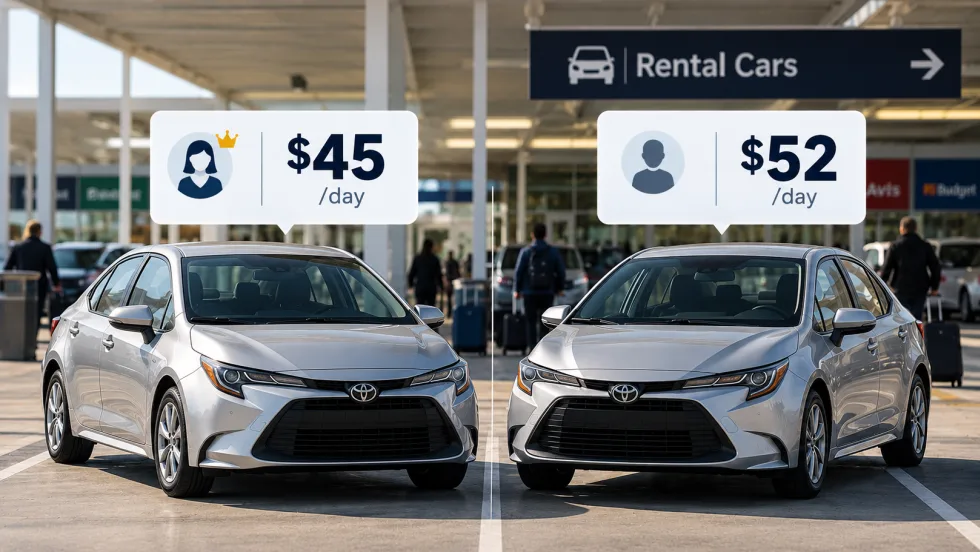
How Rental Operators Can Navigate Personalized Pricing Rules
As regulators scrutinize the use of customer data in pricing, rental operators need to know whether they can explain why one renter pays more than another.
Read More →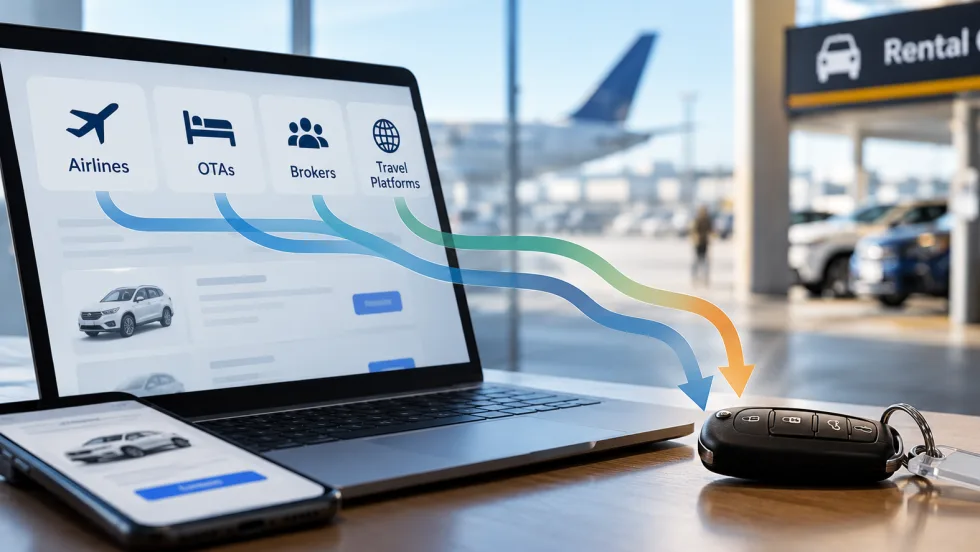
Direct, Broker or Hybrid? How Travel Retailers Source Rental Cars
As travel retailers weigh direct supplier relationships against third-party distribution, rental operators need to understand how those decisions affect their business.
Read More →
How Did This Independent Rental Operator Grow to 170 Vehicles in 4 Years?
With 170 vehicles across three Kentucky locations, Joel Price relies on an overseas team to handle reservations, payments, and after-hours customer service. It's one part of an unconventional approach to growing an independent rental operation.
Read More →
What Does It Take to Succeed in B2B Rentals?
The fundamentals may be familiar to daily car rental operators, but project-based truck rentals put different demands on the fleet and the business.
Read More →
NPR Builds on International Partnerships to Grow Rental Bookings
With Ana Laborde supporting broker development, NPR Auto Group is tailoring distribution strategies, rate packages, and partnerships to grow international reservations across its three brands.
Read More →
Advantage, Sixt Place Among Top Five in Annual Satisfaction Study
While Enterprise and National retain the top spots in JD Power’s 2026 rankings, the latest customer satisfaction results suggest renters can find competitive service beyond the biggest car rental names.
Read More →
The $100,000 Insurance Trap in Exotic Car Rentals
Exotic rental agencies often rely on customers’ personal auto policies to protect six-figure vehicles. But policy language can dramatically change the coverage for vehicles over $100,000 MSRP.
Read More →
The Booking Is Confirmed, But Is Your Customer Ready to Drive?
For international renters, a confirmed reservation doesn’t always mean they’re eligible to drive. Earlier checks can help operators catch documentation and payment issues before the customer reaches the counter.
Read More →
ICRS 2027 Opens Call for Papers
The International Car Rental Show seeks session proposals on the business, operational, and technology issues facing car rental operators. Submissions are due Jan. 15.
Read More →
Turo to Launch Vehicle Delivery Service
Turo Delivered will let travelers search for vehicles that hosts can deliver directly to hotels, homes, airports, train stations, and other locations.
Read More →