



Enterprise Discusses Future of Driverless Cars
In the not-too-distant future, Enterprise Rent-A-Car, National Car Rental, and Alamo Rent A Car customers may be renting vehicles that drive themselves.

Logo for the Urban Land Institute of St. Louis

Logo for the Urban Land Institute of St. Louis
In the not-too-distant future, Enterprise Rent-A-Car, National Car Rental, and Alamo Rent A Car customers may be renting vehicles that drive themselves.
This was one of the key points presented by Greg Stubblefield, Enterprise Holdings’ executive vice president and chief strategy officer, during a panel discussion on “The Future of Land Use in a Region of Driverless Cars.”
The April 28 panel discussion — hosted by the Urban Land Institute of St. Louis — addressed both the benefits and concerns associated with automated vehicle technologies.
“The U.S. car rental industry may very well be one of the early adopters of autonomous vehicles,” said Stubblefield.
According to Stubblefield, based on what he’s heard, the first use of a true driverless car likely won’t happen until around 2021. Commercial uses for the cars could happen around 2030, according to a report by the St. Louis Post-Dispatch.
“There’s mapping that has to be done, there’s all sorts of technology that has to be there in a real time basis,” Stubblefield said. “There are a whole lot of things that are taking place. There’s no shortage of money and innovation going into that, so it’s going to happen.”
Chris Brown, editor of Auto Rental News magazine, agreed. “Autonomous vehicles will still need to be managed — fleeted, de-fleeted, maintained, and moved — and car rental companies are poised to do that, as they already run the largest fleets in U.S. and even the world,” he said.
Every year, Auto Rental News magazine charts the U.S. car rental market, ranking companies by revenue, fleet size, and number of locations. “The footprint of the industry stretches from coast to coast and includes both airport and what we call the home-city market,” said Brown. “The fact is, the autonomous vehicle model most likely will be well suited for a pay-as-you-go system, especially on the local level. And this plays into car rental's strengths of customer interface and management for the long term.”
“Consider that we average almost a million car rentals per week in the U.S.,” said Stubblefield. “We know many drivers first experience new automotive technologies in rental vehicles, and there’s no reason to think it will be any different with autonomous technology. So, while potential liability issues obviously still need to be evaluated, our industry can quickly and efficiently introduce new autonomous vehicles to millions of consumers in cities and towns of all sizes.”
More Rental Operations
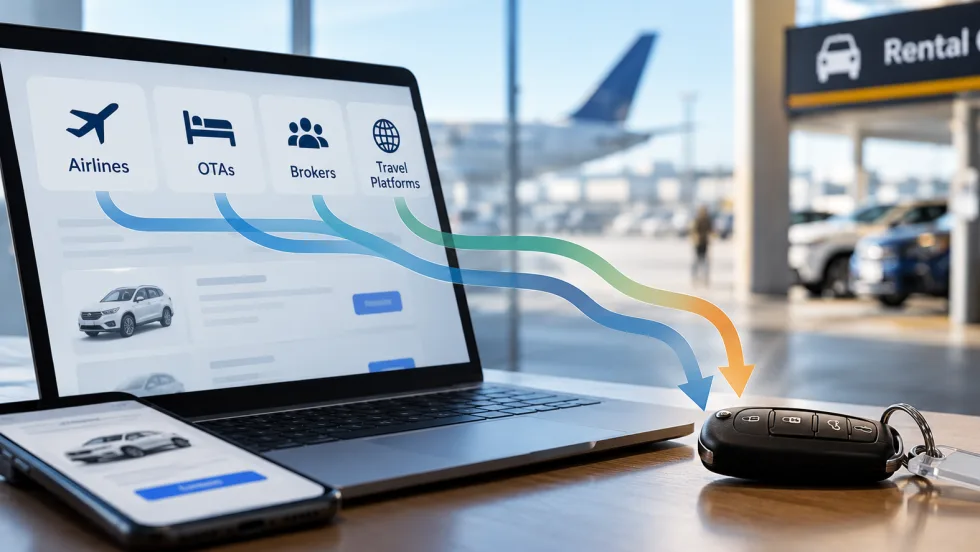
Direct, Broker or Hybrid? How Travel Retailers Source Rental Cars
As travel retailers weigh direct supplier relationships against third-party distribution, rental operators need to understand how those decisions affect their business.
Read More →
How Did This Independent Rental Operator Grow to 170 Vehicles in 4 Years?
With 170 vehicles across three Kentucky locations, Joel Price relies on an overseas team to handle reservations, payments, and after-hours customer service. It's one part of an unconventional approach to growing an independent rental operation.
Read More →
What Does It Take to Succeed in B2B Rentals?
The fundamentals may be familiar to daily car rental operators, but project-based truck rentals put different demands on the fleet and the business.
Read More →
NPR Builds on International Partnerships to Grow Rental Bookings
With Ana Laborde supporting broker development, NPR Auto Group is tailoring distribution strategies, rate packages, and partnerships to grow international reservations across its three brands.
Read More →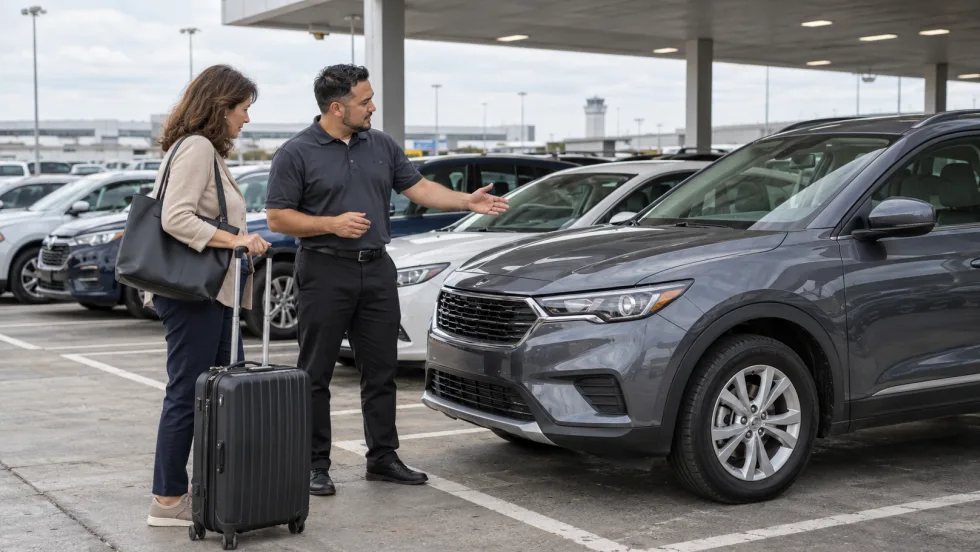
Advantage, Sixt Place Among Top Five in Annual Satisfaction Study
While Enterprise and National retain the top spots in JD Power’s 2026 rankings, the latest customer satisfaction results suggest renters can find competitive service beyond the biggest car rental names.
Read More →
The $100,000 Insurance Trap in Exotic Car Rentals
Exotic rental agencies often rely on customers’ personal auto policies to protect six-figure vehicles. But policy language can dramatically change the coverage for vehicles over $100,000 MSRP.
Read More →
The Booking Is Confirmed, But Is Your Customer Ready to Drive?
For international renters, a confirmed reservation doesn’t always mean they’re eligible to drive. Earlier checks can help operators catch documentation and payment issues before the customer reaches the counter.
Read More →
ICRS 2027 Opens Call for Papers
The International Car Rental Show seeks session proposals on the business, operational, and technology issues facing car rental operators. Submissions are due Jan. 15.
Read More →
Turo to Launch Vehicle Delivery Service
Turo Delivered will let travelers search for vehicles that hosts can deliver directly to hotels, homes, airports, train stations, and other locations.
Read More →
Palm Beach Airport Code Change Creates Car Rental Distribution Gap
A test of rental searches under the old PBI and new DJT airport codes returned largely different sets of brands and vehicles, highlighting a potential distribution problem for rental operators.
Read More →