


Foreign Marques Bolster Fleet Sales
Foreign models from Kia to Hyundai are selling more cars to daily rental companies as Detroit's automakers try to scale those sales back.
While other automakers are cutting prices and taking advantage of the rental business, General Motors is left with an increasingly smaller share of the U.S. auto market, the Detroit News reports.
Last month, Toyota Motor Co. spent more than $5,000 per vehicle on incentives for the new Tundra pickup, its first true offering in a full-size pickup segment long dominated by the domestics.
Foreign models from Kia to Hyundai are selling more cars to daily rental companies as Detroit's automakers try to scale those sales back.
Heavy incentive spending and overselling to rental fleets tarnishes an automaker's image and cuts into resale values in the long run.
Both tactics, however, have been popular with domestic automakers to boost monthly sales numbers and keep plant lines running, even as demand in the retail market dwindles.
Already this year, GM has pared sales to daily rental companies by 96,000 vehicles. Incentive spending in June was down 10 percent from a year earlier, according to Edmunds.com.
GM will continue to practice restraint, according to the Detroit News, but will still compete in the incentive battle, especially when it comes to moving trucks and clearing out older models.
More Rental Operations
Hertz, Avis: Parsing the Q3 Headwinds and Tailwinds
Third-quarter results from Hertz and Avis show resilient pricing despite softer travel demand. Meanwhile, higher operating costs, recalls, uneven vehicle depreciation, and international weakness continue to put pressure on profits.
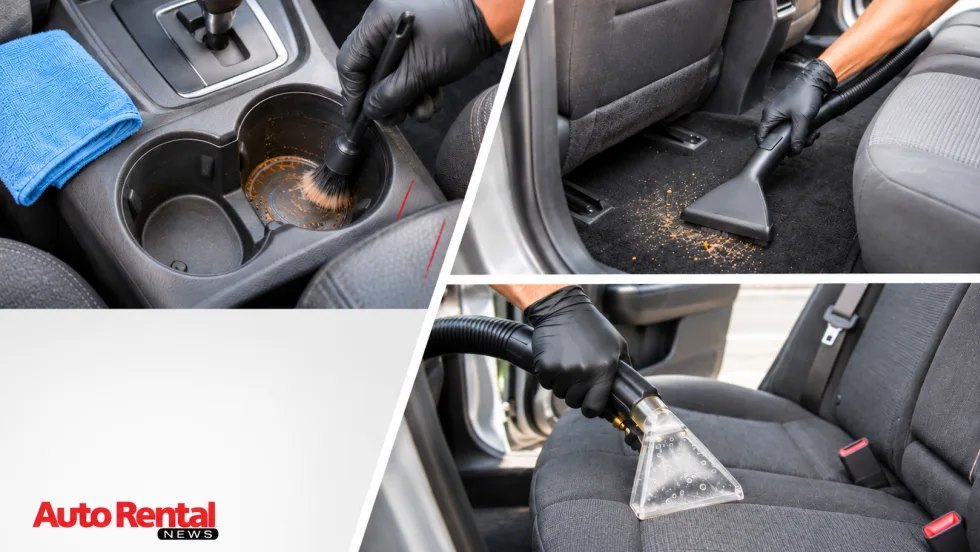
How Better Cleaning Processes Improve Rental Fleet Efficiency
A consistent approach to vehicle cleaning helps rental operators reduce turnaround delays and return vehicles to service without compromising cleanliness.
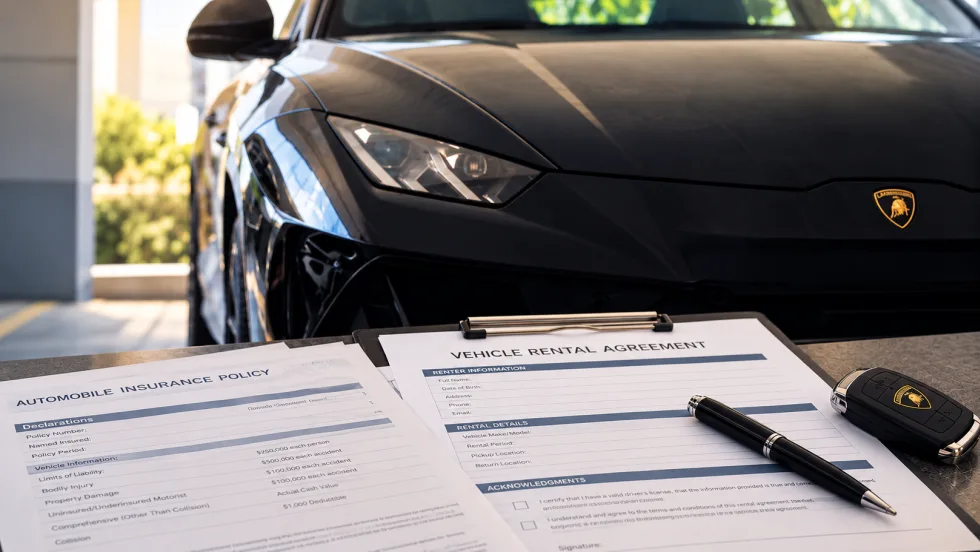
Clean on Paper: Red Flags in Exotic Car Rental Verification
A suspicious $45,000 Lamborghini booking reveals the strengths and limitations of renter verification, from forged insurance documents to coverage gaps and unauthorized drivers. (Part 2 of 3)
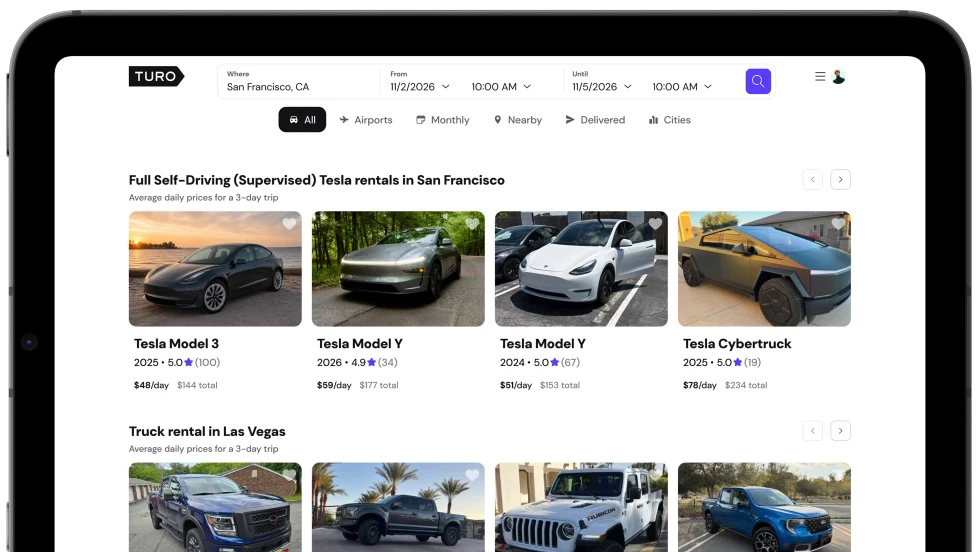
Turo and Tesla Take the Next Step Toward Autonomous Car Rentals
The partnership brings Tesla's Full Self-Driving (Supervised) technology into the rental experience, offering a glimpse of how increasingly automated vehicles could change car rental.
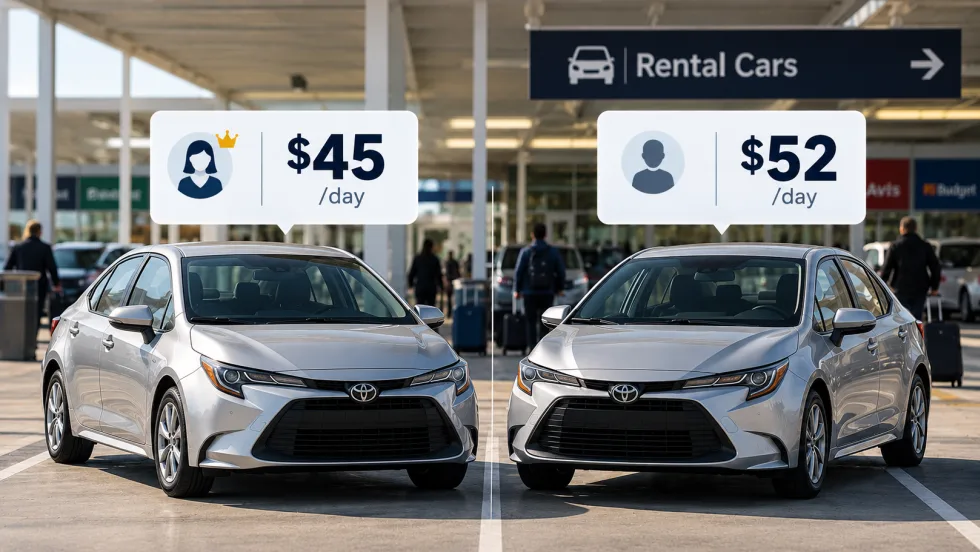
How Rental Operators Can Navigate Personalized Pricing Rules
As regulators scrutinize the use of customer data in pricing, rental operators need to know whether they can explain why one renter pays more than another.
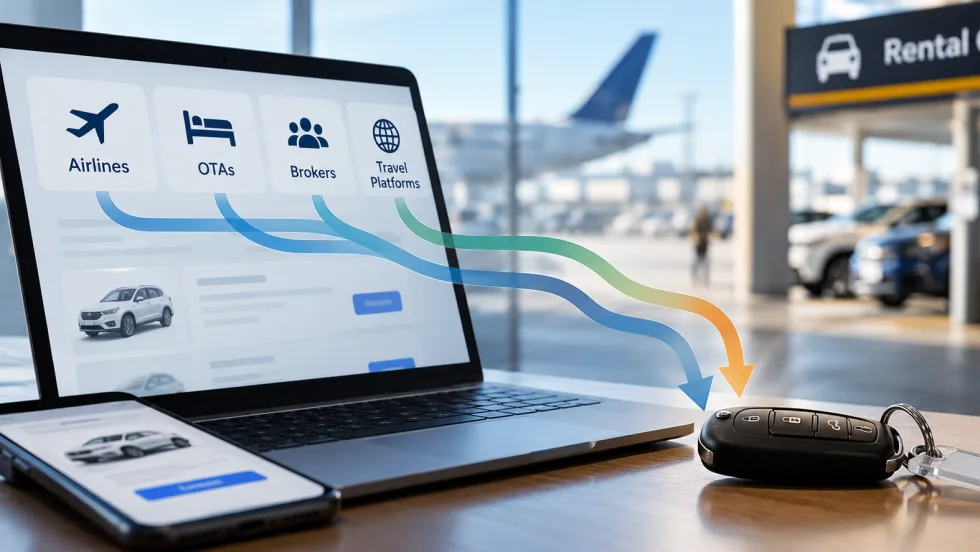
Direct, Broker or Hybrid? How Travel Retailers Source Rental Cars
As travel retailers weigh direct supplier relationships against third-party distribution, rental operators need to understand how those decisions affect their business.
How Did This Independent Rental Operator Grow to 170 Vehicles in 4 Years?
With 170 vehicles across three Kentucky locations, Joel Price relies on an overseas team to handle reservations, payments, and after-hours customer service. It's one part of an unconventional approach to growing an independent rental operation.

What Does It Take to Succeed in B2B Rentals?
The fundamentals may be familiar to daily car rental operators, but project-based truck rentals put different demands on the fleet and the business.

NPR Builds on International Partnerships to Grow Rental Bookings
With Ana Laborde supporting broker development, NPR Auto Group is tailoring distribution strategies, rate packages, and partnerships to grow international reservations across its three brands.
Advantage, Sixt Place Among Top Five in Annual Satisfaction Study
While Enterprise and National retain the top spots in JD Power’s 2026 rankings, the latest customer satisfaction results suggest renters can find competitive service beyond the biggest car rental names.