




FTC Issues Three-Month Delay of Enforcement of Red Flags Rule
The Federal Trade Commission will delay enforcement of the new Red Flags Rule until August 1, 2009, to give creditors and financial institutions more time to develop and implement written identity theft prevention programs.
The Federal Trade Commission will delay enforcement of the new Red Flags Rule until August 1, 2009, to give creditors and financial institutions more time to develop and implement written identity theft prevention programs.
For entities that have a low risk of identity theft, such as businesses that know their customers personally, the Commission will soon release a template to help them comply with the law. Today’s announcement does not affect other federal agencies’ enforcement of the original November 1, 2008 compliance deadline for institutions subject to their oversight.
“Given the ongoing debate about whether Congress wrote this provision too broadly, delaying enforcement of the Red Flags Rule will allow industries and associations to share guidance with their members, provide low-risk entities an opportunity to use the template in developing their programs, and give Congress time to consider the issue further,” FTC Chairman Jon Leibowitz said.
The Fair and Accurate Credit Transactions Act of 2003 (FACTA) directed financial regulatory agencies, including the FTC, to promulgate rules requiring “creditors” and “financial institutions” with covered accounts to implement programs to identify, detect, and respond to patterns, practices, or specific activities that could indicate identity theft.
FACTA’s definition of “creditor” applies to any entity that regularly extends or renews credit – or arranges for others to do so – and includes all entities that regularly permit deferred payments for goods or services. Accepting credit cards as a form of payment does not, by itself, make an entity a creditor.
Some examples of creditors are finance companies; automobile dealers that provide or arrange financing; mortgage brokers; utility companies; telecommunications companies; non-profit and government entities that defer payment for goods or services; and businesses that provide services and bill later, including many lawyers, doctors, and other professionals. “Financial institutions” include entities that offer accounts that enable consumers to write checks or make payments to third parties through other means, such as other negotiable instruments or telephone transfers.
During outreach efforts last year, the FTC staff learned that some industries and entities within the agency’s jurisdiction were uncertain about their coverage under the Red Flags Rule. During this time, FTC staff developed and published materials to help explain what types of entities are covered, and how they might develop their identity theft prevention programs. Among these materials were an alert on the Rule’s requirements, www.ftc.gov/bcp/edu/pubs/business/alerts/alt050.shtm, and a Web site with more resources, including a compliance template, to help covered entities design and implement identity theft prevention programs, www.ftc.gov/redflagsrule.
More Rental Operations
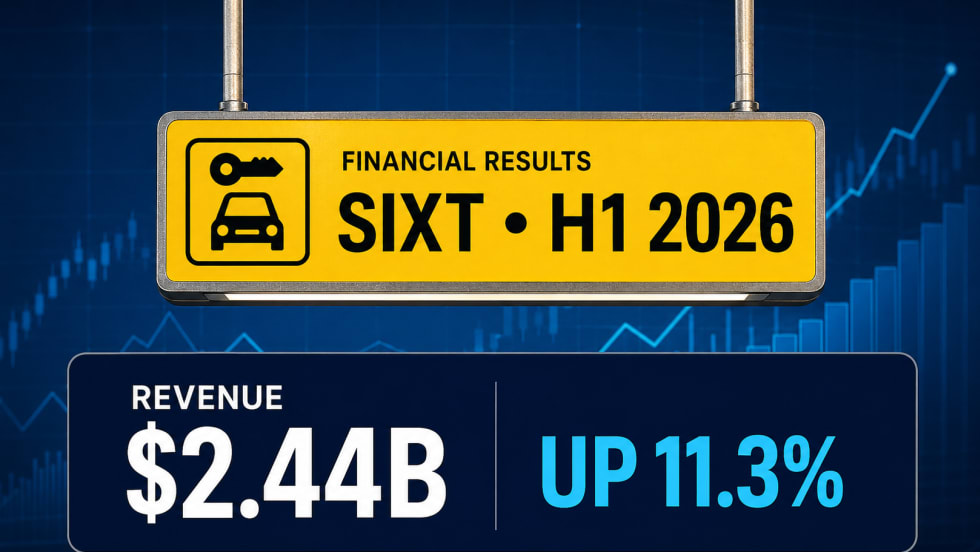
Sixt Revenue Tops $2.4 Billion in First Half of 2026
Sixt’s first-half revenue surpassed $2.4 billion for the first time as demand outpaced fleet growth, lifting utilization and earnings despite weaker consumer sentiment in North America.
Read More →
In Memoriam: Bobby Klyce, Avis Licensee Legend
The longtime Birmingham Avis operator and 2018 Auto Rental News Impact Award recipient was remembered as an advocate for independent licensees and the broader car rental industry.
Read More →
How to Build Custom Fleet Tools With AI and Vibe Coding [Webinar]
A new Automotive Fleet webinar explores how fleet managers are using AI and vibe coding to automate routine work and create simple operational tools without traditional programming skills.
Read More →
Car Rental Rates Forecast to Rise 3.6% in 2026 Before Easing in 2027
Car rental rates are projected to rise less than airfares and hotel rates in 2026, then become the only major travel category forecast to decline in 2027, according to projections from GBTA and ALTOUR.
Read More →
Avis Cuts Fleet as Summer Demand Trails Expectations
Avis Budget Group increased second-quarter earnings despite lower Americas revenue and softer-than-expected summer demand. The company also expanded Avis First and advanced its autonomous fleet operations with Waymo.
Read More →
Why Bookings Are Only the Start of the Rental Day
A reservation captures demand. The operating test is whether the business can keep the customer, vehicle, commercial terms, and next action aligned until the rental is closed.
Read More →
This Is the Oldest Car Rental Advertisement You’ll Ever See
This ad for Saunders Drive it Yourself, believed to be the first car rental company in the U.S., was found in an Omaha phone book from 1926.
Read More →
The Desk Upsell Is Costing Operators More Than it Earns
Counter upsells generate revenue, but they can also slow transactions, erode trust, and cost repeat business. Fully inclusive pricing may offer operators a better path to long-term value.
Read More →
U-Save Expands Indian Ocean Presence with New Master Franchise for Mauritius
The franchise has been acquired by Mauritian travel entrepreneur Umarfarooq Omarjee, an established figure in the island's tourism and mobility sector.
Read More →
Global Carsharing Fleet Projected to Reach 768,000 Vehicles By 2030
A new Berg Insight forecast outlines several business models driving the projected growth in public carsharing worldwide through 2029.
Read More →