


High Incentives Spending in April Shows Mixed Results
Edmunds.com estimated that the average automotive manufacturer incentive in the U.S. was $3,031 per vehicle sold in April 2009, down $134, or 4.2 percent, from March 2009, and up $680, or 28.9 percent, from April 2008.
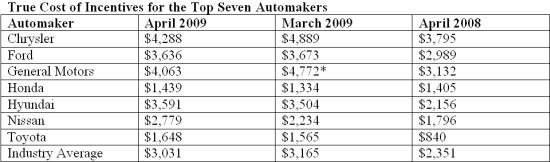
Edmunds.com estimated that the average automotive manufacturer incentive in the U.S. was $3,031 per vehicle sold in April 2009, down $134, or 4.2 percent, from March 2009, and up $680, or 28.9 percent, from April 2008.
"This month’s sales reports may prove that there is a point of diminishing returns for incentives spending," stated Jesse Toprak, executive director of industry analysis for Edmunds.com. “For some automakers, this month’s high incentives diluted brand image and hurt residual values while delivering only a negligible lift in sales.”
According to Edmunds.com, combined incentives spending for domestic manufacturers averaged $3,959 per vehicle sold in April 2009, down from $4,465 in March 2009. From March 2009 to April 2009, European automakers increased incentives spending by $26 to $3,410 per vehicle sold; Japanese automakers increased incentives spending by $132 to $1,740 per vehicle sold; and Korean automakers increased incentives spending by $87 to $3,591 per vehicle sold.
In April 2009, the industry's aggregate incentive spending is estimated to have totaled approximately $2.6 billion, down 3.8 percent from March 2009. Chrysler, Ford and General Motors spent an aggregate of $1.5 billion, or 59.5 percent of the total; Japanese manufacturers spent $575 million, or 22.1 percent; European manufacturers spent $257 million, or 9.9 percent; and Korean manufacturers spent $221 million, or 8.5 percent.
"Despite earning little return in the way of higher sales on their incentive investments, automakers seem to be playing a game of chicken – all are waiting for the other guy to drop back first,” commented Edmunds' AutoObserver.com senior editor Michelle Krebs. "Automakers appear to fear the bottom falling out completely if they back down on incentives.”
Among vehicle segments, premium sport cars had the highest average incentives, $6,540 per vehicle sold, followed by large SUVs at $4,797. Subcompact cars had the lowest average incentives per vehicle sold, $1060, followed by compact cars at $1,893. Analysis of incentives expenditures as a percentage of average sticker price for each segment shows large car averaged the highest, 14.0 percent, followed by large trucks at 13.0 percent of sticker price. Premium luxury cars averaged the lowest with 4.5 percent and subcompact cars followed with 6.7 percent of sticker price.
Comparing all brands, in April Scion spent the least, $160 per vehicle sold, followed by Subaru at $884. At the other end of the spectrum, Cadillac spent the most, $5,675 per vehicle sold, followed by Infiniti at $5,504. Relative to their vehicle prices, Kia and Mercury spent the most, 20.9 percent and 16.2 percent of sticker price, respectively; while Scion spent 0.9 and Lexus spent 3.3 percent.
More Rental Operations
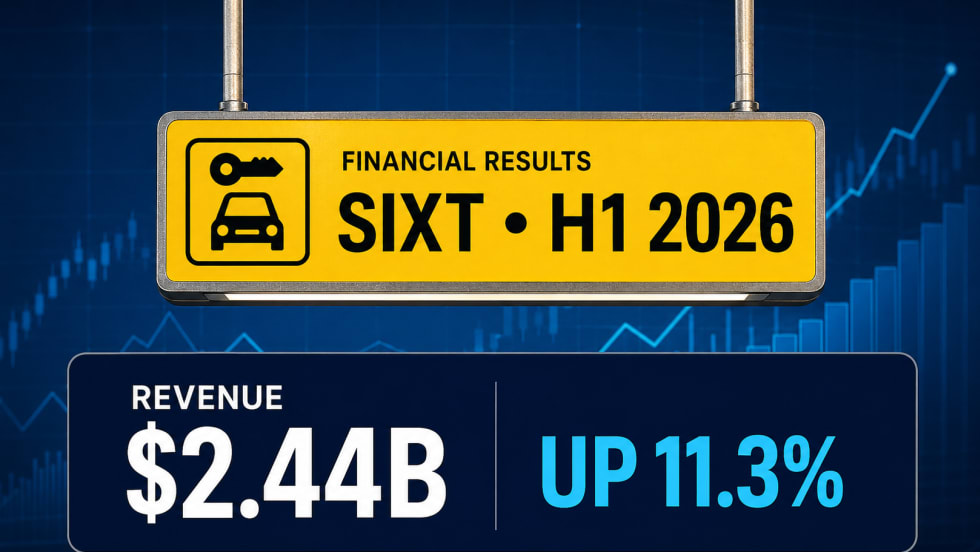
Sixt Revenue Tops $2.4 Billion in First Half of 2026
Sixt’s first-half revenue surpassed $2.4 billion for the first time as demand outpaced fleet growth, lifting utilization and earnings despite weaker consumer sentiment in North America.
Read More →
In Memoriam: Bobby Klyce, Avis Licensee Legend
The longtime Birmingham Avis operator and 2018 Auto Rental News Impact Award recipient was remembered as an advocate for independent licensees and the broader car rental industry.
Read More →
How to Build Custom Fleet Tools With AI and Vibe Coding [Webinar]
A new Automotive Fleet webinar explores how fleet managers are using AI and vibe coding to automate routine work and create simple operational tools without traditional programming skills.
Read More →
Car Rental Rates Forecast to Rise 3.6% in 2026 Before Easing in 2027
Car rental rates are projected to rise less than airfares and hotel rates in 2026, then become the only major travel category forecast to decline in 2027, according to projections from GBTA and ALTOUR.
Read More →
Avis Cuts Fleet as Summer Demand Trails Expectations
Avis Budget Group increased second-quarter earnings despite lower Americas revenue and softer-than-expected summer demand. The company also expanded Avis First and advanced its autonomous fleet operations with Waymo.
Read More →
Why Bookings Are Only the Start of the Rental Day
A reservation captures demand. The operating test is whether the business can keep the customer, vehicle, commercial terms, and next action aligned until the rental is closed.
Read More →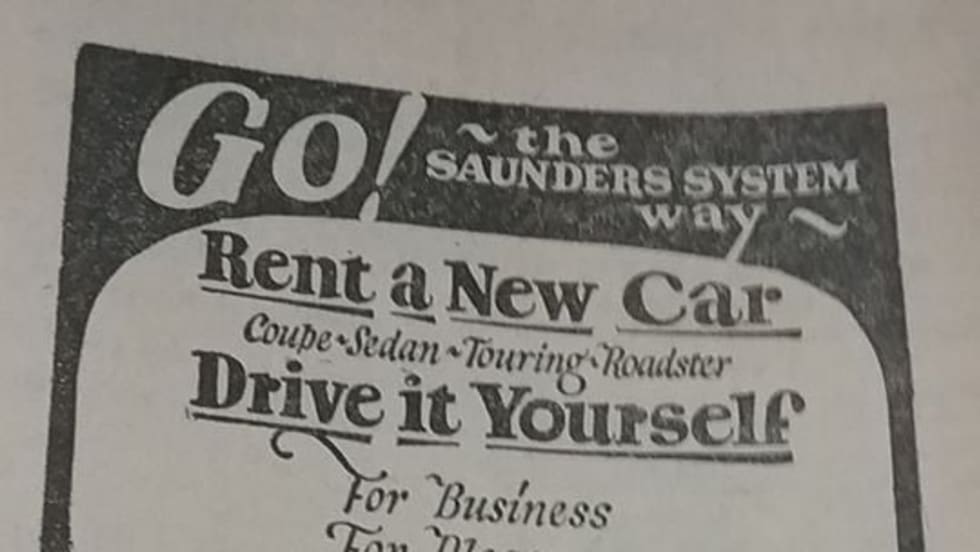
This Is the Oldest Car Rental Advertisement You’ll Ever See
This ad for Saunders Drive it Yourself, believed to be the first car rental company in the U.S., was found in an Omaha phone book from 1926.
Read More →
The Desk Upsell Is Costing Operators More Than it Earns
Counter upsells generate revenue, but they can also slow transactions, erode trust, and cost repeat business. Fully inclusive pricing may offer operators a better path to long-term value.
Read More →
U-Save Expands Indian Ocean Presence with New Master Franchise for Mauritius
The franchise has been acquired by Mauritian travel entrepreneur Umarfarooq Omarjee, an established figure in the island's tourism and mobility sector.
Read More →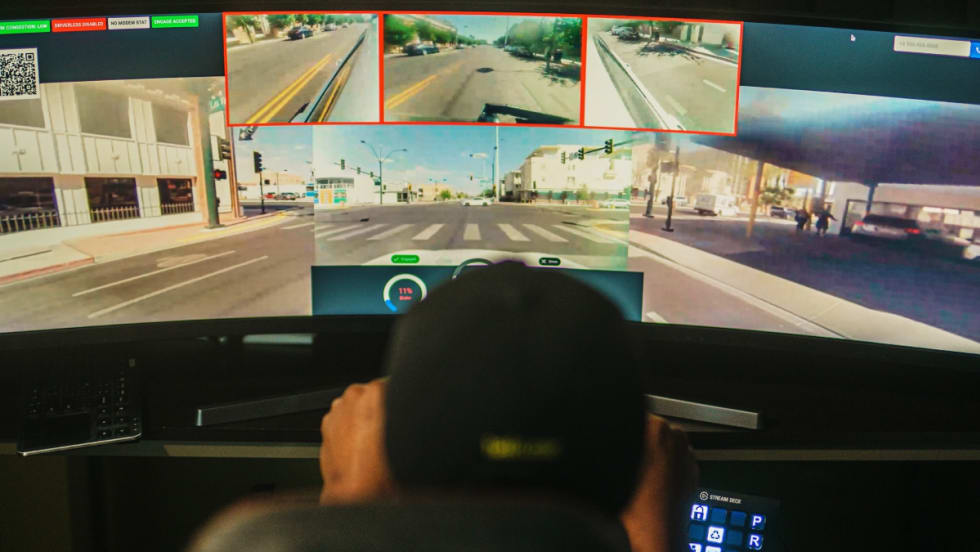
Global Carsharing Fleet Projected to Reach 768,000 Vehicles By 2030
A new Berg Insight forecast outlines several business models driving the projected growth in public carsharing worldwide through 2029.
Read More →