





Related: Trend: 50% of Millennials Book a Vacation around a Work Trip
National Survey Finds Uptick in Business, Leisure Travel
The survey found most business travelers (81%) engage in some form of "bleisure" travel, including incorporating leisure activities into business travel (61%), extending business travel into leisure trips (41%) and booking a vacation around a business trip (33%).
February 7, 2020

Photo via Depositphotos.
3 min to read
National Car Rental’s third annual State of Business Travel survey shows that while 67% of respondents still try to draw a line between their work and personal lives, 65% believe it’s an unrealistic goal. Instead, more than half of respondents are now blending work life and personal life, rather than attempting to keep them separate.
What does this work-life blending look like? During an average week, respondents answered emails after working hours on 3.97 days, arrived early or stayed late on 3.72 days and took work calls after working hours on 3.00 days. But, while at work, they also answered personal emails on 2.94 days, took personal calls on 2.85 days and worked on personal projects on 1.63 days. This shift to blending is actually endorsed by senior and executive leaders, 65% of whom said they prefer to blend their personal and professional lives.
The data shows this trend is particularly prevalent among business travelers and is popularly referred to as “bleisure.” The survey found most business travelers (81%) engage in some form of bleisure travel, including incorporating leisure activities into business travel (61%), extending business travel into leisure trips (41%) and booking a vacation around a business trip (33%). Millennials (86%) are more likely to have done bleisure travel than Gen Xers (76%) and baby boomers (73%). In addition, senior/executive leaders are almost twice as likely to extend their business trip into leisure travel (50%) or book a vacation around their business trip (40%) than non-managers (28% and 27%, respectively).
When traveling for business, workers who engage in bleisure travel report higher overall satisfaction with their quality of life while on the road (91% vs. 79%) than non-bleisure travelers. They also report such additional benefits as following a healthy diet (41% vs. 32%), exercising (53% vs. 41%) and coming back feeling invigorated (54% vs. 35%).
Seventy-nine percent of bleisure travelers are more likely to volunteer for a business trip if they know they can extend their stay, up nine percent from last year’s survey, and fewer people felt the need to downplay their leisure activities to their boss (19% vs. 21%) or their coworkers (22% vs. 24%), compared with a year ago.
Importantly, the majority of bleisure travelers (86% vs. 69% of non-bleisure travelers) believe business travel contributes to their career success and helps them build key relationships they otherwise couldn’t without business travel (81% vs. 73%).
Ground transportation continues to be a key component of business travel. According to National’s survey, travelers rely on a mix of transportation options, depending on their needs. For example, rental cars are the top choice for getting around the city (78%) and going to business meetings (72%), while ridesharing is used to get to restaurants and bars (68%).Taxis and rideshares are used equally to get to and from the airport (70%).
Work-life blending and bleisure are both highly enabled by technology, which has a large role in determining which brands travelers seek out. The survey data shows 90% choose brands that offer them technology tools that improve the business travel experience. And 90% of bleisure travelers perceive connected cars as beneficial for business travel.
More Rental Operations
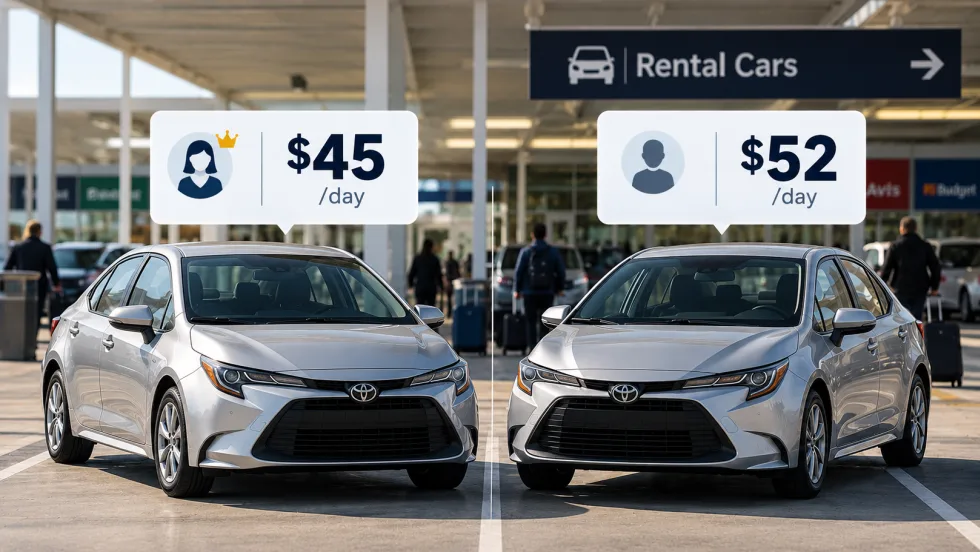
How Rental Operators Can Navigate Personalized Pricing Rules
As regulators scrutinize the use of customer data in pricing, rental operators need to know whether they can explain why one renter pays more than another.
Read More →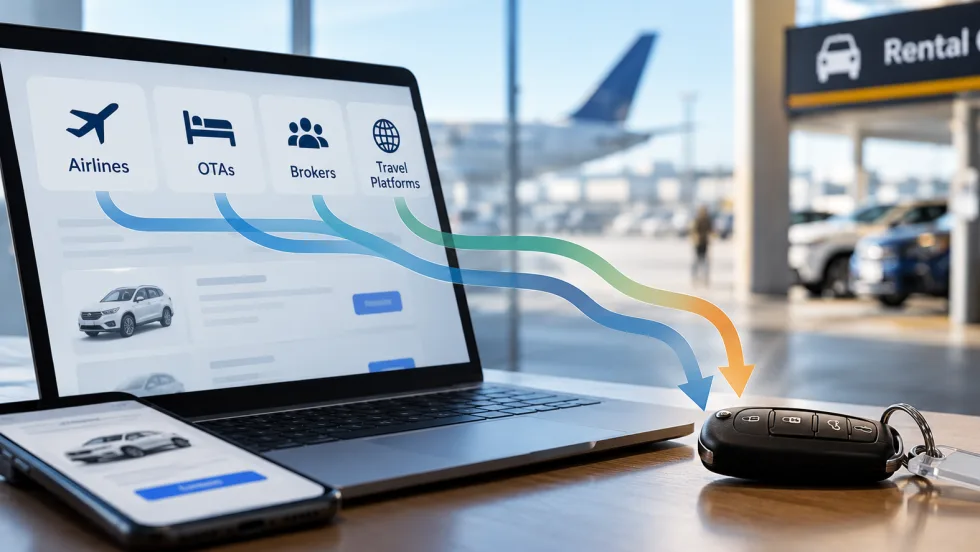
Direct, Broker or Hybrid? How Travel Retailers Source Rental Cars
As travel retailers weigh direct supplier relationships against third-party distribution, rental operators need to understand how those decisions affect their business.
Read More →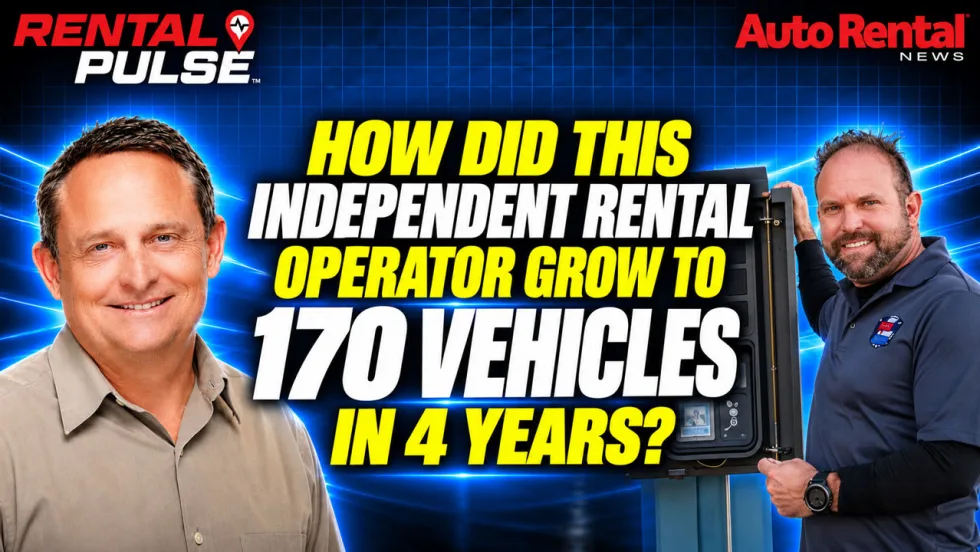
How Did This Independent Rental Operator Grow to 170 Vehicles in 4 Years?
With 170 vehicles across three Kentucky locations, Joel Price relies on an overseas team to handle reservations, payments, and after-hours customer service. It's one part of an unconventional approach to growing an independent rental operation.
Read More →
What Does It Take to Succeed in B2B Rentals?
The fundamentals may be familiar to daily car rental operators, but project-based truck rentals put different demands on the fleet and the business.
Read More →
NPR Builds on International Partnerships to Grow Rental Bookings
With Ana Laborde supporting broker development, NPR Auto Group is tailoring distribution strategies, rate packages, and partnerships to grow international reservations across its three brands.
Read More →
Advantage, Sixt Place Among Top Five in Annual Satisfaction Study
While Enterprise and National retain the top spots in JD Power’s 2026 rankings, the latest customer satisfaction results suggest renters can find competitive service beyond the biggest car rental names.
Read More →
The $100,000 Insurance Trap in Exotic Car Rentals
Exotic rental agencies often rely on customers’ personal auto policies to protect six-figure vehicles. But policy language can dramatically change the coverage for vehicles over $100,000 MSRP.
Read More →
The Booking Is Confirmed, But Is Your Customer Ready to Drive?
For international renters, a confirmed reservation doesn’t always mean they’re eligible to drive. Earlier checks can help operators catch documentation and payment issues before the customer reaches the counter.
Read More →
ICRS 2027 Opens Call for Papers
The International Car Rental Show seeks session proposals on the business, operational, and technology issues facing car rental operators. Submissions are due Jan. 15.
Read More →
Turo to Launch Vehicle Delivery Service
Turo Delivered will let travelers search for vehicles that hosts can deliver directly to hotels, homes, airports, train stations, and other locations.
Read More →