



New Tax, Same Story as Charlotte Targets RACs
CHARLOTTE, N.C. --- The Charlotte City Council voted April 10 to send a 3% tax hike on car rental transactions to the North Carolina legislative session for approval. The revenue produced would fund a portion of a cultural facilities project.
CHARLOTTE, N.C. --- The Charlotte City Council voted April 10 to send a 3% tax hike on car rental transactions to the North Carolina legislative session for approval.
The tax, which would jump to a total levy of 14% if approved, is part of a proposed financial plan to pay for new museums, theaters and a convention center expansion.
In July 2005, the city council voted to for a 4% tax increase with the same proposal in mind. But after Wachovia Corp. agreed to contribute additional funding for the project, the tax was re-evaluated. Some council members claim that the initial tax approval was merely testing the potential for that particular revenue stream.
"It was an investigation of the process and the potential funding the first time around," says council member Nancy Carter. "This is a ratification of what we want to present to our delegation."
The project cost has more than doubled in price, from $350 million last summer to between $700 million and $800 million now. Wachovia, which stands to benefit significantly from the project, had agreed to create $280 million in taxable property if the city could garner enough funding on its end. The banking giant, however, has increased that figure to $350 million. The result is $57 million in property taxes if the proposal is approved in the short legislative session beginning in May.
Consequently, Carter says, the city was able to push for a lesser tax on the car rental industry – 3% rather than 4%.
Last July, the Charlotte Observer reported that Wachovia would only build $100 million worth of new buildings if the city didn’t drive the arts project. Though some council members had reservations about the car-rental tax proposal, they initially voted for the tax hike simply to keep the package alive.
"That’s one of the factors, yes," Carter told Auto Rental News last summer, admitting that the Wachovia project was incentive to get the tax through. "We’re increasing the tax base."
More recently, she says that the city is counting on the new facilities - and the new NASCAR Hall of Fame – to increase tourism to the point where "everyone benefits."
But banking on that could be risky.
In 2003, Charlotte was the 45th largest rental market. And the cultural facilities plan, if approved, would not be completed and ready for visitors until late 2009 or early 2010, according to Robert Bush, senior vice president of planning for the Arts & Sciences Council.
So, who the tax would affect in the interim remains to be seen. Or, as council member Don Lochman said in an interview late last summer, "Half of that tax is exacted on Charlotte residents, not people visiting the city. There’s a propensity for that (tax) to fall on people of lesser means."
More Rental Operations
Hertz, Avis: Parsing the Q3 Headwinds and Tailwinds
Third-quarter results from Hertz and Avis show resilient pricing despite softer travel demand. Meanwhile, higher operating costs, recalls, uneven vehicle depreciation, and international weakness continue to put pressure on profits.

How Better Cleaning Processes Improve Rental Fleet Efficiency
A consistent approach to vehicle cleaning helps rental operators reduce turnaround delays and return vehicles to service without compromising cleanliness.
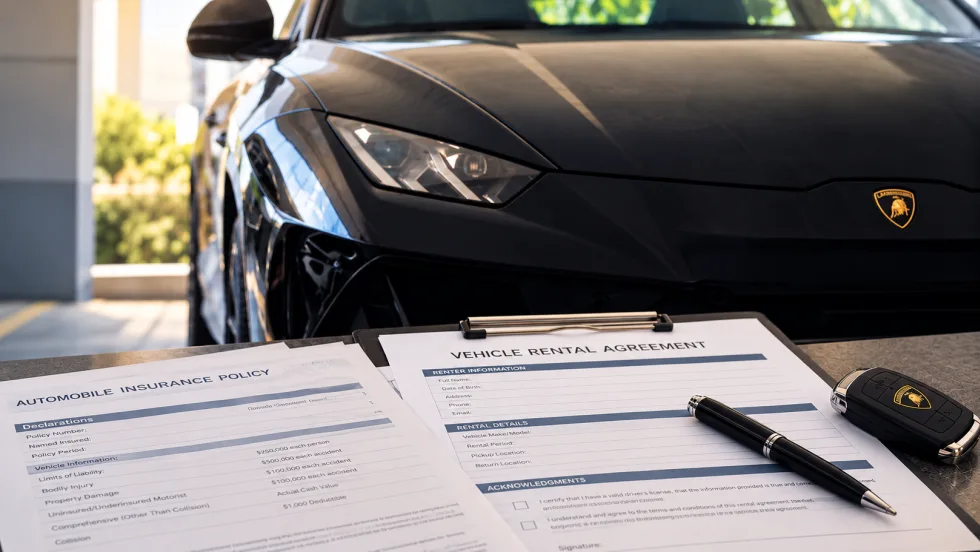
Clean on Paper: Red Flags in Exotic Car Rental Verification
A suspicious $45,000 Lamborghini booking reveals the strengths and limitations of renter verification, from forged insurance documents to coverage gaps and unauthorized drivers. (Part 2 of 3)
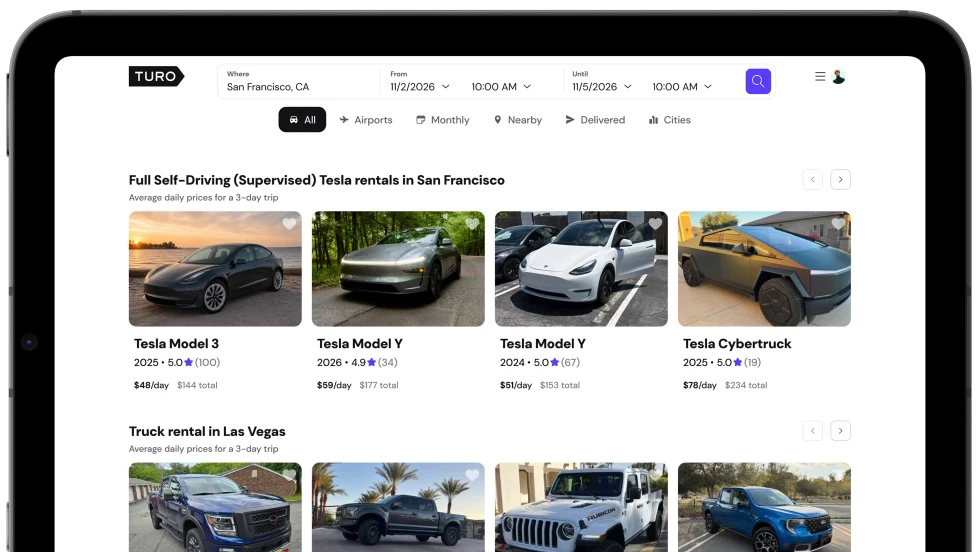
Turo and Tesla Take the Next Step Toward Autonomous Car Rentals
The partnership brings Tesla's Full Self-Driving (Supervised) technology into the rental experience, offering a glimpse of how increasingly automated vehicles could change car rental.
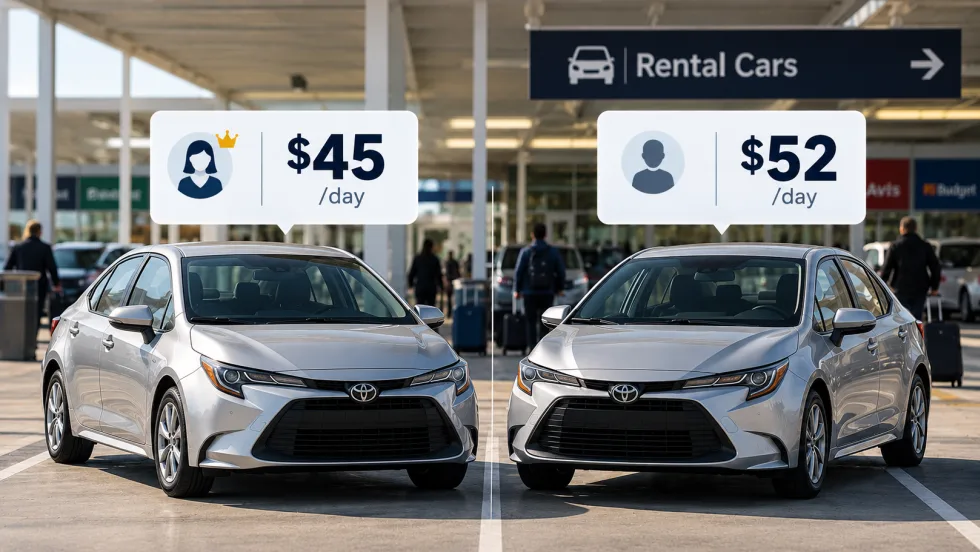
How Rental Operators Can Navigate Personalized Pricing Rules
As regulators scrutinize the use of customer data in pricing, rental operators need to know whether they can explain why one renter pays more than another.

Direct, Broker or Hybrid? How Travel Retailers Source Rental Cars
As travel retailers weigh direct supplier relationships against third-party distribution, rental operators need to understand how those decisions affect their business.
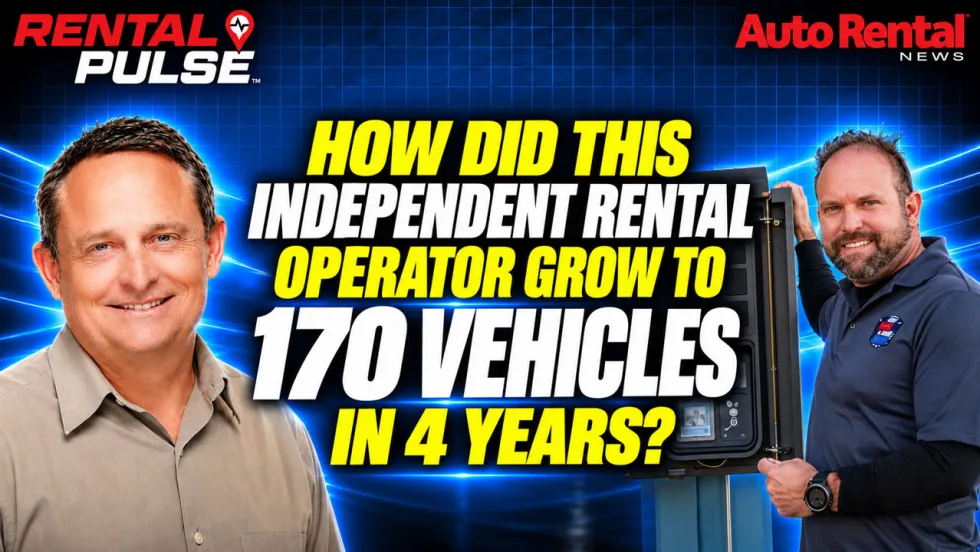
How Did This Independent Rental Operator Grow to 170 Vehicles in 4 Years?
With 170 vehicles across three Kentucky locations, Joel Price relies on an overseas team to handle reservations, payments, and after-hours customer service. It's one part of an unconventional approach to growing an independent rental operation.

What Does It Take to Succeed in B2B Rentals?
The fundamentals may be familiar to daily car rental operators, but project-based truck rentals put different demands on the fleet and the business.

NPR Builds on International Partnerships to Grow Rental Bookings
With Ana Laborde supporting broker development, NPR Auto Group is tailoring distribution strategies, rate packages, and partnerships to grow international reservations across its three brands.

Advantage, Sixt Place Among Top Five in Annual Satisfaction Study
While Enterprise and National retain the top spots in JD Power’s 2026 rankings, the latest customer satisfaction results suggest renters can find competitive service beyond the biggest car rental names.