



Renting Hybrids: With Supplies Tight, Prices Are High
As fuel prices remain high, more renters are turning to hybrids, but with supply still limited and demand so high, these green cars are commanding a substantial premium.
As fuel prices remain high, more renters are turning to hybrid rental cars in search of savings. But with supply still limited and demand so high, these green cars are commanding a substantial premium, The New York Times reports.
In a recent search for a weekend rental from San Francisco International Airport in August on the Avis.com site, the Nissan Altima hybrid was the most expensive vehicle—$207.98 for a two-day trip—more than even the sporty Ford Mustang, for $161.98, or the Pontiac Vibe, listed as an “intermediate S.U.V.,” for $149.98.
Also in San Francisco, Dollar Thrifty Automotive Group charges roughly 20 percent more for the Prius than for other economy or compact cars. Hertz charges about $5 a day extra for its Green Collection, which includes 3,400 Priuses. The company says the fee covers the cost involved in making certain these cars can be reserved by make and model.
The high markups are largely a result of supply and demand. Dollar and Thrifty have 215 Toyota Prius hybrids, most of which are in San Francisco. That’s less than 1 percent of the total United States fleet. Hertz has approximately 4,000 hybrids or about 1.5 percent of its North American fleet. Avis has about 2,500 hybrids out of roughly 375,000 vehicles in its 2008 model fleet.
Another issue: hybrid cars, which are also in short supply in the retail market, cost rental car companies more to buy than other vehicles. To recoup some of that cost, car rental companies charge more to customers who rent them.
A traveler might reason that, despite the higher base rate, renting a hybrid could still end up costing less overall when gas is factored in. But this didn’t prove to be the case in a recent comparison of Hertz hybrids with economy cars by Sarah Pascarella, an associate editor at SmarterTravel.com, a Web site that offers travel advice.
A two-day trip from San Francisco to Yosemite National Park was $55 cheaper with the Hyundai Accent economy car, costing $139 round trip, including gas based on the American Automobile Association’s online fuel cost calculator. The same trip with a Toyota Prius hybrid came to a total of $194. A trip from New York City to Cape May, N.J., cost about the same when comparing the Prius to the Accent, while the economy car was about $43 less for a trip from Seattle to Olympic National Park.
“I found choosing an economy car over a hybrid was often the more economical choice,” wrote Pascarella on SmarterTravel’s Tip of the Day.
In some cases, even renting an S.U.V. can be cheaper than renting a hybrid. Take the San Francisco weekend rental on Avis.com. When factoring in gas (at $4.19 a gallon) for a two-day trip from San Francisco to Reno, Nev., the total cost to rent the Nissan Altima hybrid came to an estimated $262. The same trip in the Pontiac Vibe was $207.
Nevertheless, travelers are reluctant to book S.U.V.’s or other large vehicles that consume a lot of gas. “It’s a sign of the times,” said Neil Abrams, president of Abrams Consulting Group, based in Purchase, N.Y., which tracks the rental car industry. “They’re having a hard time in off-peak periods even giving away these things.”
The offer of free upgrades is now backfiring on rental car companies. “It used to be that many customers would purposely book a smaller car knowing that they could likely get an upgrade at the counter for free when the car they reserved wasn’t available,” Chris Payne, a spokesman for Dollar Thrifty Automotive Group, wrote in an e-mail to the NYT.
More Rental Operations

How Better Cleaning Processes Improve Rental Fleet Efficiency
A consistent approach to vehicle cleaning helps rental operators reduce turnaround delays and return vehicles to service without compromising cleanliness.
Read More →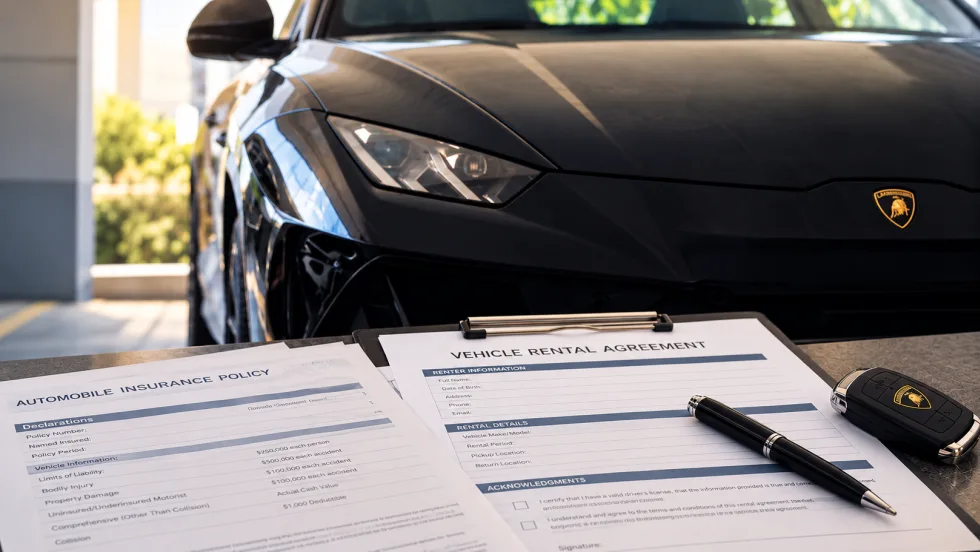
Clean on Paper: Red Flags in Exotic Car Rental Verification
A suspicious $45,000 Lamborghini booking reveals the strengths and limitations of renter verification, from forged insurance documents to coverage gaps and unauthorized drivers. (Part 2 of 3)
Read More →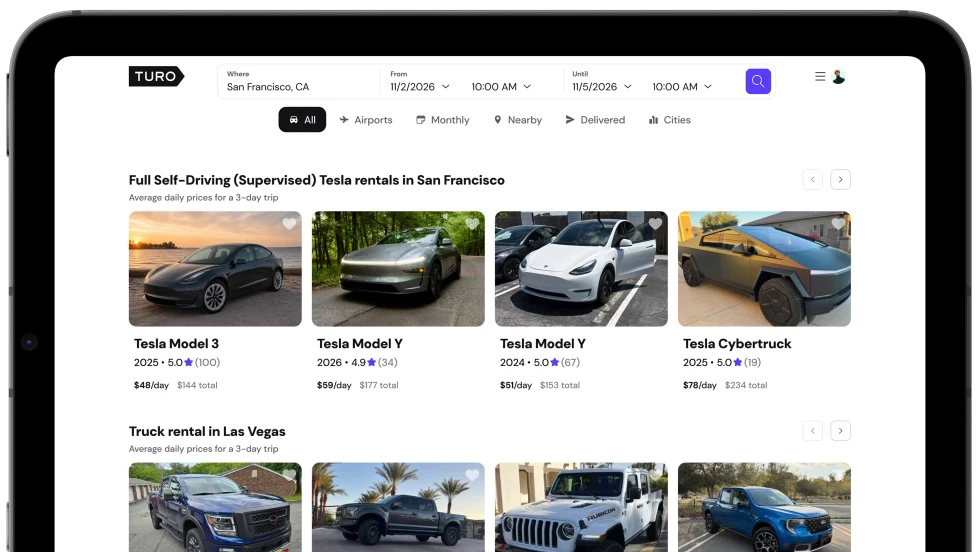
Turo and Tesla Take the Next Step Toward Autonomous Car Rentals
The partnership brings Tesla's Full Self-Driving (Supervised) technology into the rental experience, offering a glimpse of how increasingly automated vehicles could change car rental.
Read More →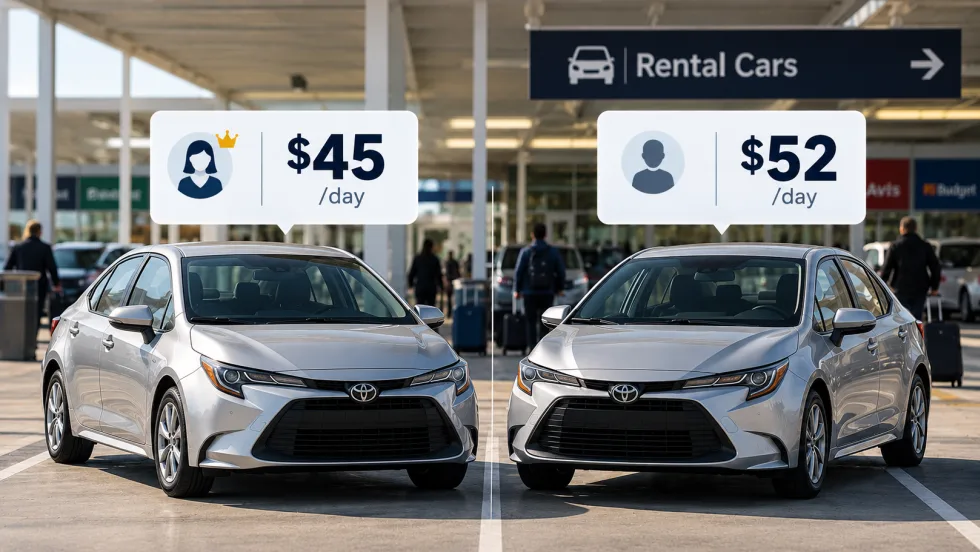
How Rental Operators Can Navigate Personalized Pricing Rules
As regulators scrutinize the use of customer data in pricing, rental operators need to know whether they can explain why one renter pays more than another.
Read More →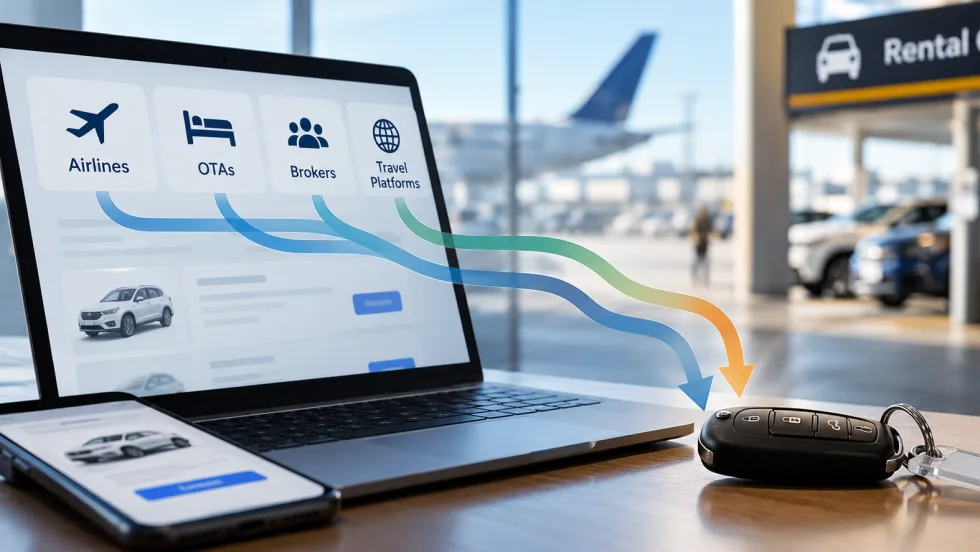
Direct, Broker or Hybrid? How Travel Retailers Source Rental Cars
As travel retailers weigh direct supplier relationships against third-party distribution, rental operators need to understand how those decisions affect their business.
Read More →
How Did This Independent Rental Operator Grow to 170 Vehicles in 4 Years?
With 170 vehicles across three Kentucky locations, Joel Price relies on an overseas team to handle reservations, payments, and after-hours customer service. It's one part of an unconventional approach to growing an independent rental operation.
Read More →
What Does It Take to Succeed in B2B Rentals?
The fundamentals may be familiar to daily car rental operators, but project-based truck rentals put different demands on the fleet and the business.
Read More →
NPR Builds on International Partnerships to Grow Rental Bookings
With Ana Laborde supporting broker development, NPR Auto Group is tailoring distribution strategies, rate packages, and partnerships to grow international reservations across its three brands.
Read More →
Advantage, Sixt Place Among Top Five in Annual Satisfaction Study
While Enterprise and National retain the top spots in JD Power’s 2026 rankings, the latest customer satisfaction results suggest renters can find competitive service beyond the biggest car rental names.
Read More →
The $100,000 Insurance Trap in Exotic Car Rentals
Exotic rental agencies often rely on customers’ personal auto policies to protect six-figure vehicles. But policy language can dramatically change the coverage for vehicles over $100,000 MSRP.
Read More →