




Researchers Find Gender Pay Gap Among Uber Drivers
Faster driving, experience, and safety were major factors that attributed to earning discrepancies between male and female Uber drivers.

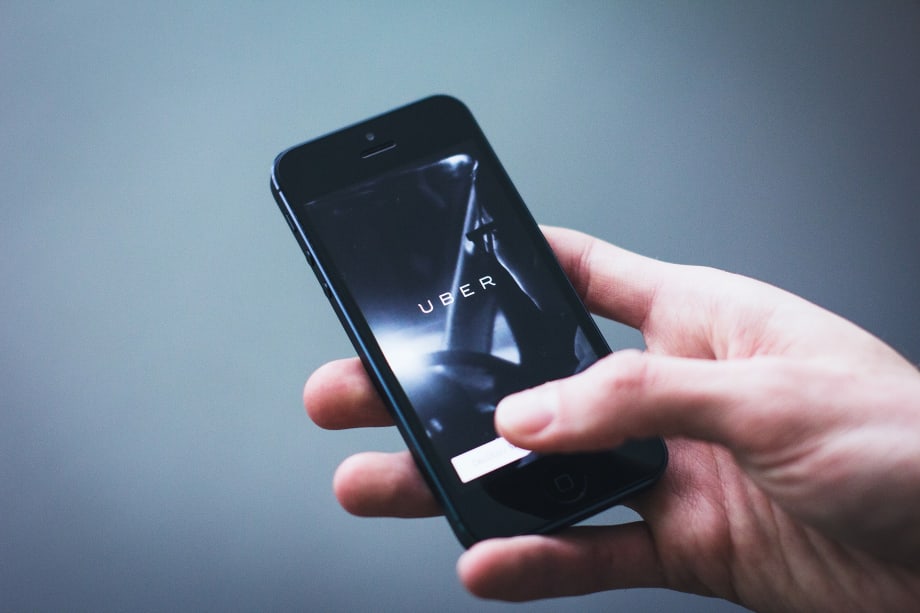
The study from the National Bureau of Economic Research analyzed information from over a million Uber drivers to determine pay discrepancies between men and women.
Photo via Pixabay.
A recent paper determined that, after analyzing the data of over a million Uber drivers, male drivers earned 7% more than their female counterparts, reports the Los Angeles Times.
The study, conducted by the National Bureau of Economic Research, analyzed pay discrepancies in gender among Uber drivers.
The paper found that the pay gap could be attributed to three factors. First, men typically drive faster, allowing for more trips in the same time frame. Second, men usually drive with Uber for longer and with greater frequency, with research finding that drivers with over 2,500 trips completed make 14% more per hour than drivers with fewer than 100 trips. Third, women tend to avoid areas they perceive to be unsafe, while men drive in more lucrative areas.
Uber's algorithm that connects drivers and riders controls for customer bias and discrimination based on gender or tenure, and the app provides flexibility by allowing drivers to work when they want. Rebecca Diamond, a Stanford University economist and one of the paper's researchers, said the study indicates forces beyond discrimination and flexibility affecting the gender pay gap in Uber.
The researchers stated that, based on the findings, experience may be more influential in affecting the pay gap than flexibility, in both gig and non-gig work.
The full paper can be found here.
Related: Uber Disputes MIT Wage Study
More Rental Operations

NPR Builds on International Partnerships to Grow Rental Bookings
With Ana Laborde supporting broker development, NPR Auto Group is tailoring distribution strategies, rate packages, and partnerships to grow international reservations across its three brands.
Read More →
Advantage, Sixt Place Among Top Five in Annual Satisfaction Study
While Enterprise and National retain the top spots in JD Power’s 2026 rankings, the latest customer satisfaction results suggest renters can find competitive service beyond the biggest car rental names.
Read More →
The $100,000 Insurance Trap in Exotic Car Rentals
Exotic rental agencies often rely on customers’ personal auto policies to protect six-figure vehicles. But policy language can dramatically change the coverage for vehicles over $100,000 MSRP.
Read More →
The Booking Is Confirmed, But Is Your Customer Ready to Drive?
For international renters, a confirmed reservation doesn’t always mean they’re eligible to drive. Earlier checks can help operators catch documentation and payment issues before the customer reaches the counter.
Read More →
ICRS 2027 Opens Call for Papers
The International Car Rental Show seeks session proposals on the business, operational, and technology issues facing car rental operators. Submissions are due Jan. 15.
Read More →
Turo to Launch Vehicle Delivery Service
Turo Delivered will let travelers search for vehicles that hosts can deliver directly to hotels, homes, airports, train stations, and other locations.
Read More →
Palm Beach Airport Code Change Creates Car Rental Distribution Gap
A test of rental searches under the old PBI and new DJT airport codes returned largely different sets of brands and vehicles, highlighting a potential distribution problem for rental operators.
Read More →
U-Save Continues Dominican Republic Expansion with Launch in Punta Cana
The new franchise location builds on U-Save’s existing Santo Domingo operation and will begin taking reservations for October 2026.
Read More →
When AI Books the Rental Car, Who Controls the Sale?
As AI moves from comparing rental rates to completing transactions, operators need to understand how travelers find, interpret, rank, and ultimately see their offers. (Part 2 of 2.)
Read More →
European Booked Car Rental Rates Fell 5%, Results Varied by Country
Ireland, Cyprus, and the United Kingdom saw steep declines, while booked rates rose in Poland and Hungary.
Read More →