



Related: LAX Automated People Mover in Photos
See the Future of LAX in Virtual Reality
These interactive models include views of and from within the system’s three central terminal area stations and two intermodal transportation facility stations.
February 17, 2020
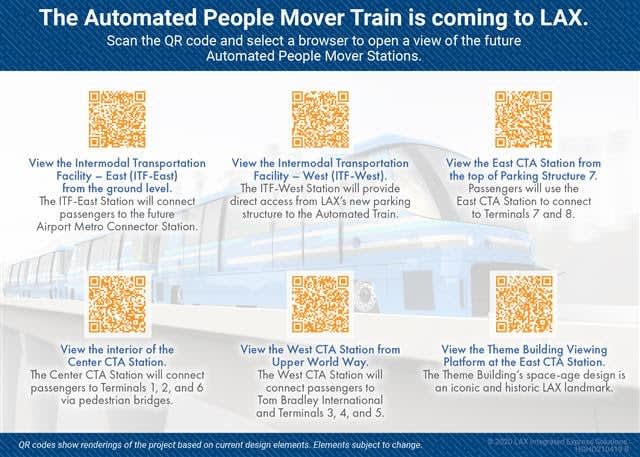
The new virtual reality models can be accessed by scanning a QR code with a smartphone, which will direct the viewer to one of six models of the stations.
Photo via LAWA.
2 min to read
Los Angeles World Airports (LAWA) has released virtual reality models of the future Los Angeles International Airport (LAX) automated people mover (APM) project.
These interactive models include views of and from within the system’s three central terminal area (CTA) stations and two intermodal transportation facility (ITF) stations. The new virtual reality models can be accessed by scanning a QR code with a smartphone, which will direct the viewer to one of six models of the stations. Viewers can also enhance the experience with the use of 3D glasses.
The models offer a glimpse into the integrated campus design of the APM system, which honors the heritage and history of the CTA and the iconic theme building with its mid-century modern design aesthetic. Featuring clean lines, airy and light-filled corridors, structural glass walls and high-performance coated metal panel cladding, the APM’s stations will create visual continuity throughout the LAX campus.
The stations’ canopies cantilever and taper out 20 feet on each side of the roof, creating a floating appearance, and their smooth white metal finish improves the building’s heat island effect. Station platforms are lit via six 20-foot diameter circular skylights in the roof structure, which provide both filtered daylight and night time illumination from energy efficient LED fixtures emitting light from both above and below the canopy.
The APM, a 2.25 mile elevated electric train system that will transport travelers in and out of the LAX CTA is the centerpiece of LAWA’s LAMP project. The APM will feature six stations: three stations inside the CTA, which connect to the terminals via elevated pedestrian walkways, and three stations outside the CTA, which will connect to new off-site parking facilities, regional light rail transportation and a Conrac.
“Although the automated people mover train is still a few years of heavy construction away from being operational, technology lets us experience the future of LAX today,” Justin Erbacci, interim CEO, said in a statement. “The virtual reality experience shows the vision of a fully-connected LAX that will help solidify our airport’s status as a Gold Standard, world-class facility.”
Scheduled to open for passenger service in 2023, the APM is expected to relieve congestion within the CTA and in turn the surrounding thoroughfares, thereby reducing emissions and vehicle miles traveled.
The new virtual reality models can be accessed by scanning a QR code with a smartphone, which will direct the viewer to one of six models of the stations. Viewers can also enhance the experience with the use of 3D glasses.
More Rental Operations

What Does It Take to Succeed in B2B Rentals?
The fundamentals may be familiar to daily car rental operators, but project-based truck rentals put different demands on the fleet and the business.
Read More →
NPR Builds on International Partnerships to Grow Rental Bookings
With Ana Laborde supporting broker development, NPR Auto Group is tailoring distribution strategies, rate packages, and partnerships to grow international reservations across its three brands.
Read More →
Advantage, Sixt Place Among Top Five in Annual Satisfaction Study
While Enterprise and National retain the top spots in JD Power’s 2026 rankings, the latest customer satisfaction results suggest renters can find competitive service beyond the biggest car rental names.
Read More →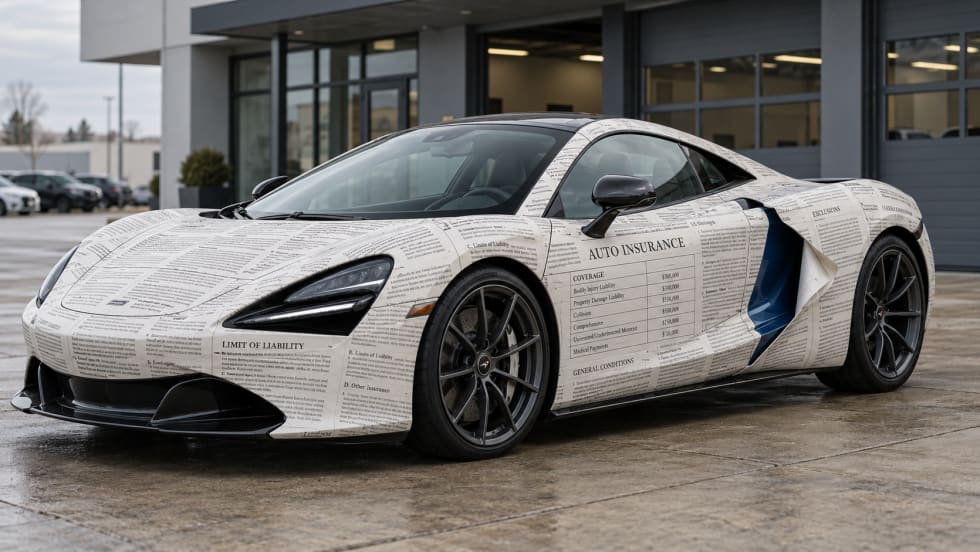
The $100,000 Insurance Trap in Exotic Car Rentals
Exotic rental agencies often rely on customers’ personal auto policies to protect six-figure vehicles. But policy language can dramatically change the coverage for vehicles over $100,000 MSRP.
Read More →
The Booking Is Confirmed, But Is Your Customer Ready to Drive?
For international renters, a confirmed reservation doesn’t always mean they’re eligible to drive. Earlier checks can help operators catch documentation and payment issues before the customer reaches the counter.
Read More →
ICRS 2027 Opens Call for Papers
The International Car Rental Show seeks session proposals on the business, operational, and technology issues facing car rental operators. Submissions are due Jan. 15.
Read More →
Turo to Launch Vehicle Delivery Service
Turo Delivered will let travelers search for vehicles that hosts can deliver directly to hotels, homes, airports, train stations, and other locations.
Read More →
Palm Beach Airport Code Change Creates Car Rental Distribution Gap
A test of rental searches under the old PBI and new DJT airport codes returned largely different sets of brands and vehicles, highlighting a potential distribution problem for rental operators.
Read More →
U-Save Continues Dominican Republic Expansion with Launch in Punta Cana
The new franchise location builds on U-Save’s existing Santo Domingo operation and will begin taking reservations for October 2026.
Read More →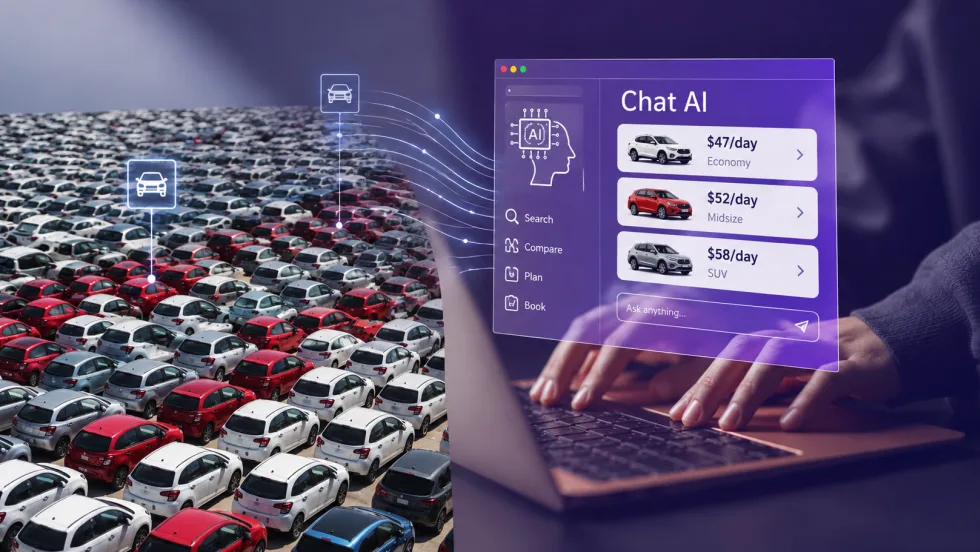
When AI Books the Rental Car, Who Controls the Sale?
As AI moves from comparing rental rates to completing transactions, operators need to understand how travelers find, interpret, rank, and ultimately see their offers. (Part 2 of 2.)
Read More →