


Sixt Eyes Top 30 U.S. Airports and Beyond
On the opening of Sixt’s new U.S. headquarters in Fort Lauderdale, CEO Erich Sixt contends that “In 10 years’ time, Europe will be a branch of the U.S.”

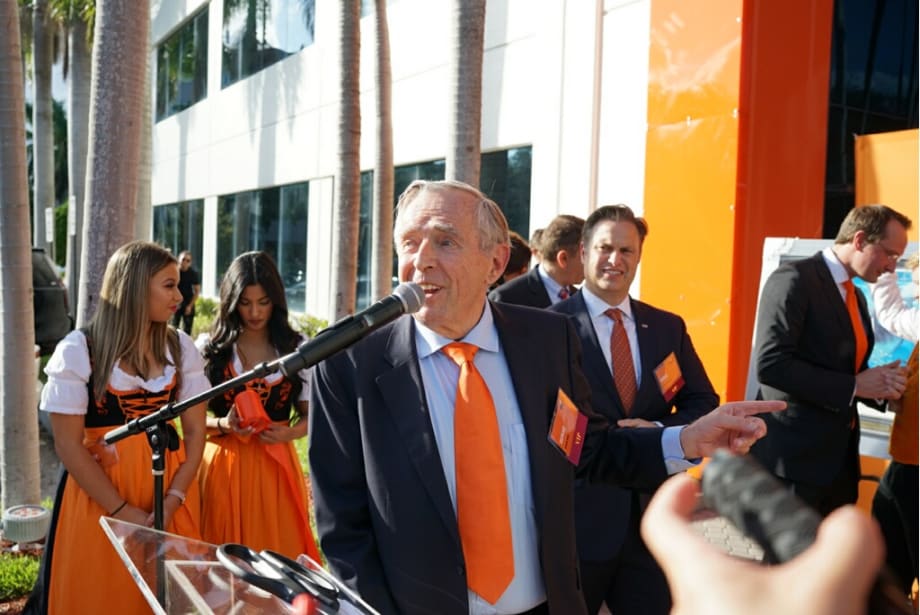
Erich Sixt, CEO of Sixt SE, spoke at the ribbon-cutting ceremony of Sixt's new North American headquarters in Fort Lauderdale. Photo courtesy of Sixt.
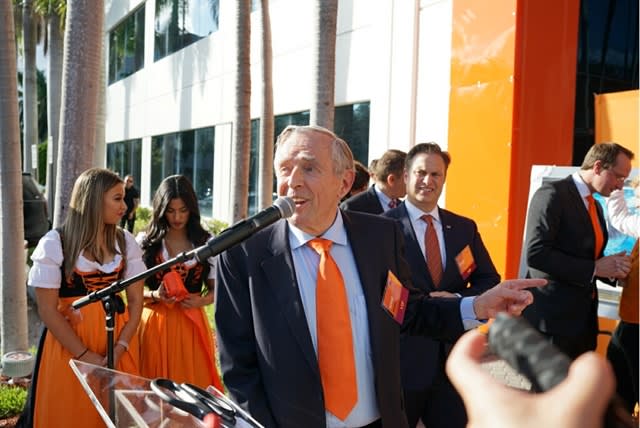
Erich Sixt, CEO of Sixt SE, spoke at the ribbon-cutting ceremony of Sixt's new North American headquarters in Fort Lauderdale. Photo courtesy of Sixt.
If you ask the CEOs of global companies — particularly the ones representing mainline industries — where they see the growth potential for their brands, they might mention the BRIC (Brazil, Russia, India, China) countries.
With a footprint in 118 countries, Pullach, Germany-based Sixt SE is the fifth largest car rental company in the world, but its growth aspirations aren’t concentrated on emerging markets. “It’s the U.S. in the next decade,” said Erich Sixt, CEO of Sixt SE, from the company’s new U.S. headquarters in Fort Lauderdale, which he came to christen on Nov. 17.
Sixt bought the building and spent $10.4 million to renovate it, and the move is expected to create 300 local jobs. “This new headquarters shows our commitment to the United States,” Sixt said. “It has room for expansion, which we’re planning.”
When asked about the challenge to grow in the U.S., the oldest car rental market, Sixt replied: “When I started in Munich in 1969, I was a lonely cowboy with one location and 200 cars. There were the global companies, Hertz, Avis, and Europcar. [To grow] we took pieces of the cake away from the competition.”
Sixt’s U.S. fleet has grown three times as fast as it did from 1969, Sixt said. Sixt referenced the company’s market share in Miami, which has grown to 11.8% since opening in 2011.
Growth Now
In the U.S., Sixt first planted its flag in leisure destinations popular with Europeans, particularly in Florida. But to be a relevant national player, “We have to expand as quickly as possible into the major U.S. airports; it’s a must for us,” Sixt said.
Sixt’s goal is to open in the top 30 airports and then concentrate on growing its corporate business. In addition to contracted international accounts, the corporate focus would also be on small to midsize companies that are service-oriented but less price sensitive: “The lawyers, the auditors, people who like to drive nice cars,” Sixt said.
Airport locations would be complemented by downtown locations. Insurance replacement business will come, but only after the company has achieved greater nationwide coverage, Sixt said.
Sixt’s original U.S. plan included growth through franchising. Many of those initial franchises have been bought back by Sixt, though a franchisee base remains. The immediate goal now is to expand through corporate-owned stores. “Once we’ve reached our goal of covering the major airports, we can revert back to franchising, but not in the near future,” Sixt said.
While the immediate focus in Europe and the U.S. will be on corporate growth, franchising will still be part of the strategy in the rest of the world, Sixt said.
Growth How?
The Sixt European fleet is comprised of 61% premium vehicles; the U.S. fleet is slightly less but trending upward, Sixt said. Sixt claims the largest BMW and Mercedes-Benz fleet worldwide. The Sixt value proposition is predicated on renting these types of premium vehicles for “economy car prices.”
Along with a high-touch employee base and premium branding cues such as orange-lit counters, this would seem to present greater cost-management challenges than other rental companies. This is where managing overall vehicle depreciation is paramount, Sixt said, which is accomplished through smart fleet buys as well as its state-of-the-art pricing and yield management systems, developed by hundreds of programmers in Ukraine, India, and southern Germany.
“If you’re smart, the depreciation on a luxury car can be less than on an economy car,” Sixt said. “If you purchase the right car with the right equipment and understand what the consumer wants, you can have low depreciation.”
Sixt has grown in the U.S. without traditional marketing, and that strategy won’t be altered. “If I were to invest $50 million in marketing now, we’d have a growth rate we simply could not digest,” Sixt said.
Sixt said the company’s U.S. operations are profitable. On pricing, Sixt sees the U.S. competition “acting rationally,” which bodes well for 2018.
Evolution Ready
Regarding the potential disruption brought on by the evolution of transportation, Sixt believes there is more noise than action at this point, and that the majority of renters still want the human factor found at the rental counter.
“People are talking and talking,” he said. “Autonomous driving will come later than most people think. For us, it doesn’t matter if they drive the car or it’s driven by a computer. They still need a car.”
That said, Sixt referenced the company’s present mobility initiatives — DriveNow, its carsharing partnership with BMW, and myDriver, a premium ride-hailing service — that complement Sixt’s fleet management and retail leasing businesses. Sixt has the telematics capabilities to turn the traditional fleet to carsharing at any given moment — “If we can do it profitably,” he said.
For now, Sixt is concentrating on the potential to grow in the U.S., embodied by the new headquarters. “It looks better than our headquarters in Germany,” Sixt said. “It’s like walking into a start-up company. I’ve become younger here.”
On the importance of the U.S. market, Sixt doesn’t mince words. “In 10 years’ time, Europe will be a branch of the U.S.” he said. “The place where we’re sitting right now could be the headquarters of Sixt worldwide — and the CEO will move from Germany to Florida.”
More Rental Operations
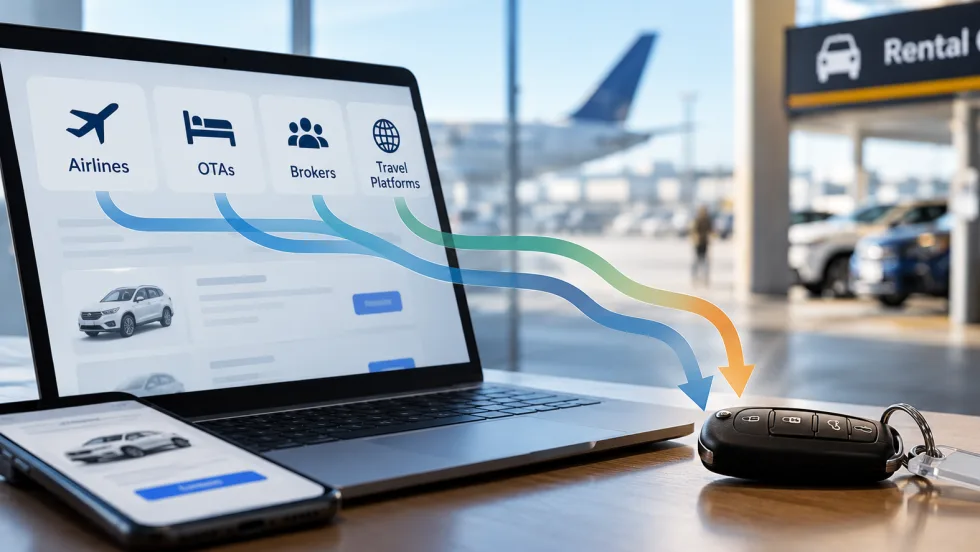
Direct, Broker or Hybrid? How Travel Retailers Source Rental Cars
As travel retailers weigh direct supplier relationships against third-party distribution, rental operators need to understand how those decisions affect their business.
Read More →
How Did This Independent Rental Operator Grow to 170 Vehicles in 4 Years?
With 170 vehicles across three Kentucky locations, Joel Price relies on an overseas team to handle reservations, payments, and after-hours customer service. It's one part of an unconventional approach to growing an independent rental operation.
Read More →
What Does It Take to Succeed in B2B Rentals?
The fundamentals may be familiar to daily car rental operators, but project-based truck rentals put different demands on the fleet and the business.
Read More →
NPR Builds on International Partnerships to Grow Rental Bookings
With Ana Laborde supporting broker development, NPR Auto Group is tailoring distribution strategies, rate packages, and partnerships to grow international reservations across its three brands.
Read More →
Advantage, Sixt Place Among Top Five in Annual Satisfaction Study
While Enterprise and National retain the top spots in JD Power’s 2026 rankings, the latest customer satisfaction results suggest renters can find competitive service beyond the biggest car rental names.
Read More →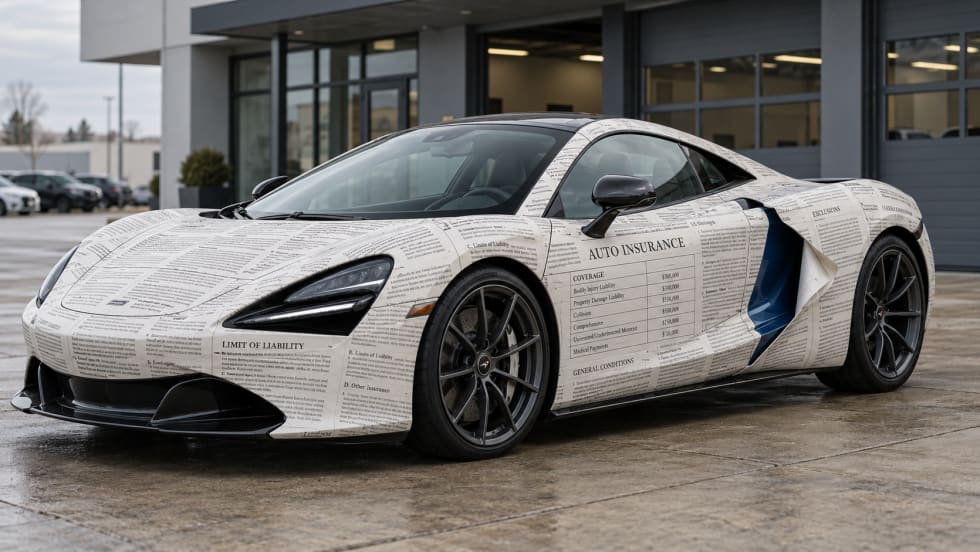
The $100,000 Insurance Trap in Exotic Car Rentals
Exotic rental agencies often rely on customers’ personal auto policies to protect six-figure vehicles. But policy language can dramatically change the coverage for vehicles over $100,000 MSRP.
Read More →
The Booking Is Confirmed, But Is Your Customer Ready to Drive?
For international renters, a confirmed reservation doesn’t always mean they’re eligible to drive. Earlier checks can help operators catch documentation and payment issues before the customer reaches the counter.
Read More →
ICRS 2027 Opens Call for Papers
The International Car Rental Show seeks session proposals on the business, operational, and technology issues facing car rental operators. Submissions are due Jan. 15.
Read More →
Turo to Launch Vehicle Delivery Service
Turo Delivered will let travelers search for vehicles that hosts can deliver directly to hotels, homes, airports, train stations, and other locations.
Read More →
Palm Beach Airport Code Change Creates Car Rental Distribution Gap
A test of rental searches under the old PBI and new DJT airport codes returned largely different sets of brands and vehicles, highlighting a potential distribution problem for rental operators.
Read More →