




Supreme Court Says Police Must Have Warrant to Plant GPS Devices
The Supreme Court’s ruling could impact a case in Ohio involving a rental car, in which the judge said the defendant had no reasonable expectation of privacy because the GPS device planted by police was on a rented vehicle.
On Jan. 23, the U.S. Supreme Court ruled in United States v. Jones that police officers must obtain a permit to install a GPS tracking device on a vehicle in order to track that vehicle’s movement, according to the official opinion of the court. The Court said that the device constituted a search under the Fourth Amendment because police have to trespass onto the vehicle to plant the device, and is therefore unreasonable if done without a warrant.
Antoine Jones was the defendant in the case and had been suspected of drug trafficking. Police obtained a warrant to put a GPS tracking device on Jones’ wife’s car. Police installed the device; however, the installation happened one day after the warrant expired and was done in Maryland even though the warrant allowed for the search to be done in the District of Columbia.
The district court that saw the criminal case suppressed any GPS information obtained while the vehicle was at home, but held that at any other time Jones had “no reasonable expectation of privacy” while driving on public streets, and the Supreme Court agreed. The issue the Court had was that police had to trespass onto the vehicle to plant the device.
While the Supreme Court did not specifically address GPS devices and a person’s reasonable expectation of privacy, its decision has created a slight ripple effect on other cases involving tracking devices. In Ohio, Aron Rich, 38, of Los Angeles, was convicted last week by Butler County Court of trafficking cocaine after GPS information of his vehicle was used to indict him, according to the Middletown Journal. The device was placed onto a rental car reserved by police; then the rental was given to a confidential informant, who eventually turned the vehicle over to Rich.
The judge that saw the case, Judge Craig Hedric, ruled that because the vehicle was a rental, Rich had no expectation of privacy, according to the Journal. Rich and his lawyer are appealing the case since the Supreme Court’s ruling. Martin Pinales, the defendant’s attorney, told the Journal that he believes Rich had an expectation of privacy while driving the rental.
What Is A ‘Reasonable Expectation of Privacy’?
In the Supreme Court case, the opinion stated that the Court would not address Jones’ expectation of privacy, which is measured using the Katz formulation from Katz v. United States in 1967. “The Katz reasonable-expectation-of-privacy test has been added to, but not substituted for, the common-law trespassory test,” the opinion states.
The Katz case ruled that places considered “private,” such as a person who enters a telephone booth and shuts the door behind them — which is what occurred in Katz — the person has a reasonable expectation of privacy. The Katz case moved reasonable expectation of privacy, as protected by the Fourth Amendment, from focusing on property to focusing on the right to privacy by people.
Though these cases address government intrusion and what is considered reasonable search and seizure, the car rental industry should take note if using GPS devices in fleet — and not necessarily the legality of doing so but whether or not rental companies must disclose to customers. Particularly of interest is Judge Sotomayor’s concurring opinion in United States v. Jones:
“More fundamentally, it may be necessary to reconsider the premise that an individual has no reasonable expectation of privacy in information voluntarily disclosed to third parties. This approach is ill suited to the digital age, in which people reveal a great deal of information about themselves to third parties in the course of carrying out mundane tasks. … I would not assume that all information voluntarily disclosed to some member of the public for a limited purpose is, for that reason alone, disentitled to Fourth Amendment protection.”
While it’s unclear as to how the Supreme Court’s ruling could be interpreted for the auto rental industry, Judge Sotomayor’s opinion on third parties obtaining private information and Judge Hedric’s statement on Rich’s no expectation of privacy in a rental vehicle have implications for the industry. However, it should also be noted that Hedric’s statement was made before the Supreme Court’s ruling — a statement that will likely be reviewed again if the defendent gets his appeal.
For the full article from the Middletown Journal, click on the URL: http://www.middletownjournal.com/news/middletown-news/ruling-could-free-convicted-trafficker-1320564.html
Read here a PDF of the U.S. Supreme Court’s full opinion on United States v. Jones.
- By Joanne M. Tucker
More Legal & Legislative
Hertz Settlement Expands Hand-Control Rental Vehicle Availability
A court-approved ADA settlement requires Hertz to add dedicated hand-control minivans, expand reservation access, and, when necessary, offer the least expensive vehicle capable of accepting hand controls.
Read More →
Federal Appeals Court Upholds Colorado’s $3 Rental Car Fee
In a case brought by the American Car Rental Association on behalf of the rental industry, the 10th Circuit ruled that Colorado’s congestion impact fee falls on renters — not rental companies — and can remain in effect.
Read More →
ACRA Carrying Fuller Industry Load As AI and EVs Lurk In Future
The leading car rental professional business group details an active legislative, regulatory, and macro-trends agenda affecting car rental operators.
Read More →
Government Affairs Executive Wins Leading Rental Car Industry Award
Robert Muhs started in the car rental industry with Avis Budget Group two years before the first International Car Rental Show.
Read More →
Using AI To Find Rental Car Damage
Angry car renters are storming social media, the mainstream media, and online ratings platforms to complain about charges they claim are either unfounded or excessive.
Read More →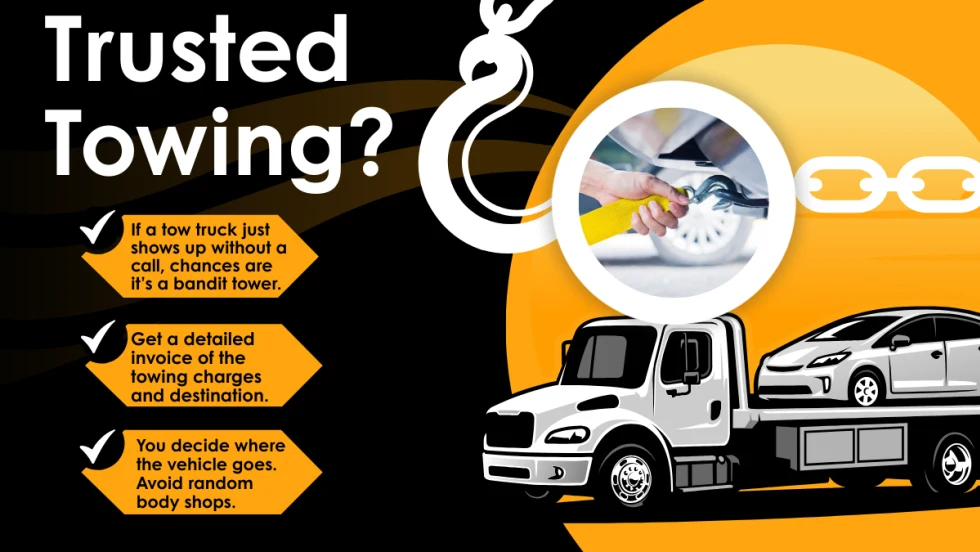
Bandit Towing A Tough Road For Car Rental Companies
Operators often must spend far too much time and resources trying to recoup rental cars towed away and held hostage to outrageously high fees.
Read More →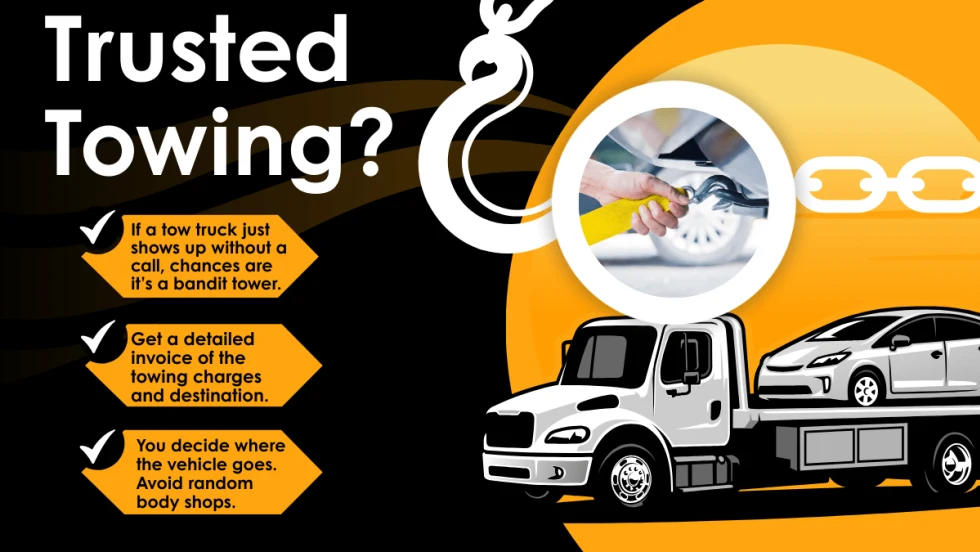
Bandit Towing A Tough Road For Car Rental Companies
Operators often must spend far too much time and resources trying to recoup rental cars towed away and held hostage to outrageously high fees.
Read More →
ACRA: Spurring Car Rental Industry Success
The American Car Rental Association scored more access and influence in 2025 as it grows its services for car rental operators.
Read More →
AVOA Partners with AALA and NLC
The American Vehicle Owners Alliance (AVOA) recently announced its partnership with the American Automotive Leasing Association (AALA) and the National League of Cities (NLC).
Read More →
ACRA Takes Bold Strides On Capitol Hill
The American Car Rental Association’s annual legislative and lobbying event upped the face time with and access to members of Congress.
Read More →