




Taxis Discriminate More than Ride-Hailing, Study Finds
UCLA's Institute for Transportation Studies analyzed 1,700 Lyft, Uber, and taxi rides to measure wait times and ride cancellations against racial, ethnic, and gender demographics.

UCLA's Institute for Transportation Studies found that Lyft serves the most population-dense areas of Los Angeles County.
Photo via Lyft.
A dissertation published by UCLA's Institute for Transportation Studies (ITS) found that Lyft drivers served 99.8% of Los Angeles County, in a study measuring ride-hailing use and patterns of discrimination.
Anne E. Brown, a doctoral student at ITS, analyzed over 6.3 million trips taken with Lyft in 2016 in Los Angeles to observe rider use and travel patterns. Brown also studied 1,700 Lyft, Uber, and taxi rides to measure wait times and ride cancellations against racial, ethnic, and gender demographics.
ITS found that black riders faced higher instances of ride cancellations from taxis compared to ride-hailing services. Black taxi riders were 73% more likely to have taxis cancel rides compared to white riders, meanwhile ride-hailing services were 4% more likely to cancel on black riders compared to white riders. About a quarter of black riders did not reach their destination via taxi. Taxis also had extended wait times for black riders, about 52% longer than wait times for white riders.
While Lyft has penetrated the most densely populated parts of LA, 40% of users made fewer than one trip per month, illustrating that a sizeable portion of Lyft riders do not use the service to meet regular travel needs.
The study found correlations between lower rates of vehicle ownership and higher rates of Lyft use. Lyft Line, an option designed to provide more affordable ride-hailing service, saw greater use among residents of low-income neighborhoods and comprised 29% of all Lyft trips in the county. ITS also found that Lyft usage was lower in majority Asian and Hispanic neighborhoods, either because car access needs were met through other services, or those neighborhoods faced barriers with lower access to smartphones or banking.
In other Lyft news, the San Francisco-based group recently acquired Motivate, a bike-sharing program from Ford, as part of its Green Cities initiative.
The full dissertation can be read here.
More Rental Operations

NPR Builds on International Partnerships to Grow Rental Bookings
With Ana Laborde supporting broker development, NPR Auto Group is tailoring distribution strategies, rate packages, and partnerships to grow international reservations across its three brands.
Read More →
Advantage, Sixt Place Among Top Five in Annual Satisfaction Study
While Enterprise and National retain the top spots in JD Power’s 2026 rankings, the latest customer satisfaction results suggest renters can find competitive service beyond the biggest car rental names.
Read More →
The $100,000 Insurance Trap in Exotic Car Rentals
Exotic rental agencies often rely on customers’ personal auto policies to protect six-figure vehicles. But policy language can dramatically change the coverage for vehicles over $100,000 MSRP.
Read More →
The Booking Is Confirmed, But Is Your Customer Ready to Drive?
For international renters, a confirmed reservation doesn’t always mean they’re eligible to drive. Earlier checks can help operators catch documentation and payment issues before the customer reaches the counter.
Read More →
ICRS 2027 Opens Call for Papers
The International Car Rental Show seeks session proposals on the business, operational, and technology issues facing car rental operators. Submissions are due Jan. 15.
Read More →
Turo to Launch Vehicle Delivery Service
Turo Delivered will let travelers search for vehicles that hosts can deliver directly to hotels, homes, airports, train stations, and other locations.
Read More →
Palm Beach Airport Code Change Creates Car Rental Distribution Gap
A test of rental searches under the old PBI and new DJT airport codes returned largely different sets of brands and vehicles, highlighting a potential distribution problem for rental operators.
Read More →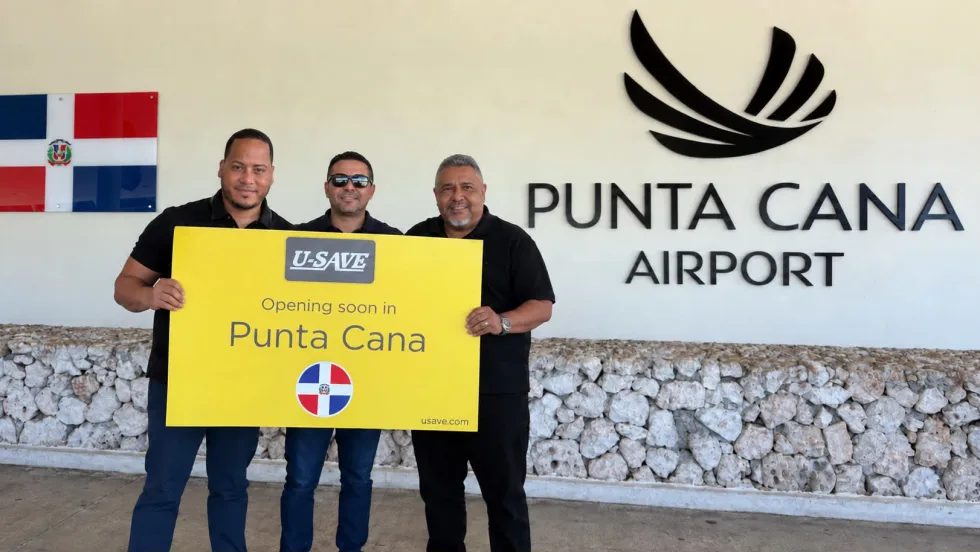
U-Save Continues Dominican Republic Expansion with Launch in Punta Cana
The new franchise location builds on U-Save’s existing Santo Domingo operation and will begin taking reservations for October 2026.
Read More →
When AI Books the Rental Car, Who Controls the Sale?
As AI moves from comparing rental rates to completing transactions, operators need to understand how travelers find, interpret, rank, and ultimately see their offers. (Part 2 of 2.)
Read More →
European Booked Car Rental Rates Fell 5%, Results Varied by Country
Ireland, Cyprus, and the United Kingdom saw steep declines, while booked rates rose in Poland and Hungary.
Read More →