



Transportation Accidents Most Common Work Fatality
Work deaths climbed 7% in 2016, and transportation incidents accounted for 40% of those fatalities, according to new data from the U.S. Bureau of Labor Statistics.

Photo of car crash by CGP Grey via Wikimedia Commons.

Photo of car crash by CGP Grey via Wikimedia Commons.
Fatal work injuries reached 5,190 in 2016, representing a 7% increase from the previous year, according to the latest data from the U.S. Bureau of Labor Statistics.
2016 saw the third consecutive annual jump in fatal work injuries. The year also marked the first time in nearly a decade that the number of work-related deaths surpassed 5,000.
Transportation accidents remained the most common cause of work deaths, accounting for 40% of the fatalities. Such incidents were responsible for 2,083 fatalities in 2016, according to the bureau.
Violence committed by people or animals increased 23% to become the second-leading cause of work-related deaths. Such violence accounted for 866 deaths. Workplace homicides increased by 83 to reach 500. Workplace suicides increased by 62 to reach 291.
On-the-job overdoses from non-medical use of drugs or alcohol jumped from 165 in 2015 to 217 in 2016 — a 32-% increase. Since 2012, overdose fatalities have risen by at least 25% annually, statistics show.
Fall, slip and trip deaths increased 6%, totaling 849 deaths.

In 2016, fatal overdoses from the non-medical use of drugs or alcohol while on the job increased 32 percent, according to the U.S. Bureau of Labor Statistics. Photo by 51fifty via Wikipedia and Wikimedia Commons.
In response to the new data, the National Safety Council called on employers to ensure they have policies and training in place to address the major causes of work-related fatalities — including the ongoing opioid crisis and worker fatigue.
“Leadership should set the tone from the top and engage all workers in safety, continually looking to identify and mitigate workplace safety hazards and measuring safety performance using leading indicators to ensure continuous improvement,” NSC said in a released statement.
Originally posted on Automotive Fleet
More Rental Operations
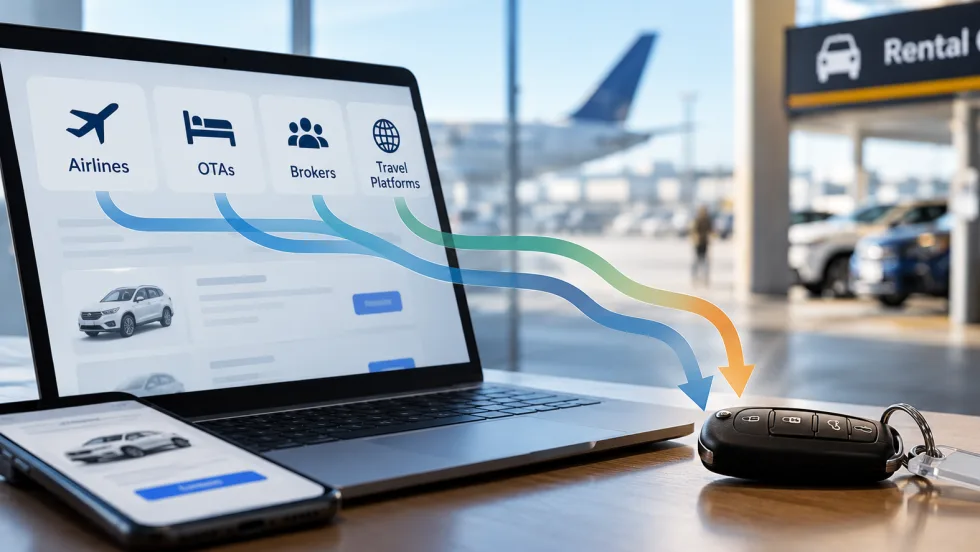
Direct, Broker or Hybrid? How Travel Retailers Source Rental Cars
As travel retailers weigh direct supplier relationships against third-party distribution, rental operators need to understand how those decisions affect their business.
Read More →
How Did This Independent Rental Operator Grow to 170 Vehicles in 4 Years?
With 170 vehicles across three Kentucky locations, Joel Price relies on an overseas team to handle reservations, payments, and after-hours customer service. It's one part of an unconventional approach to growing an independent rental operation.
Read More →
What Does It Take to Succeed in B2B Rentals?
The fundamentals may be familiar to daily car rental operators, but project-based truck rentals put different demands on the fleet and the business.
Read More →
NPR Builds on International Partnerships to Grow Rental Bookings
With Ana Laborde supporting broker development, NPR Auto Group is tailoring distribution strategies, rate packages, and partnerships to grow international reservations across its three brands.
Read More →
Advantage, Sixt Place Among Top Five in Annual Satisfaction Study
While Enterprise and National retain the top spots in JD Power’s 2026 rankings, the latest customer satisfaction results suggest renters can find competitive service beyond the biggest car rental names.
Read More →
The $100,000 Insurance Trap in Exotic Car Rentals
Exotic rental agencies often rely on customers’ personal auto policies to protect six-figure vehicles. But policy language can dramatically change the coverage for vehicles over $100,000 MSRP.
Read More →
The Booking Is Confirmed, But Is Your Customer Ready to Drive?
For international renters, a confirmed reservation doesn’t always mean they’re eligible to drive. Earlier checks can help operators catch documentation and payment issues before the customer reaches the counter.
Read More →
ICRS 2027 Opens Call for Papers
The International Car Rental Show seeks session proposals on the business, operational, and technology issues facing car rental operators. Submissions are due Jan. 15.
Read More →
Turo to Launch Vehicle Delivery Service
Turo Delivered will let travelers search for vehicles that hosts can deliver directly to hotels, homes, airports, train stations, and other locations.
Read More →
Palm Beach Airport Code Change Creates Car Rental Distribution Gap
A test of rental searches under the old PBI and new DJT airport codes returned largely different sets of brands and vehicles, highlighting a potential distribution problem for rental operators.
Read More →