


USF, Enterprise Launches WeCar Car-Sharing Program
In an effort to reduce pollution and traffic congestion on campus, the University of South Florida has teamed up with WeCar, the car-sharing program by Enterprise Rent-A-Car.
The University of South Florida (USF) and WeCar, car-sharing by Enterprise Rent-A-Car, are taking a new approach toward reducing pollution and traffic congestion, making USF one of just a handful of campuses nationwide to join the WeCar program, officials announced today.
WeCar allows drivers to rent cars—three Toyota Prius hybrids and one Ford Escape hybrid—for a few hours at a time, allowing those who want to use public transportation to get to work on the USF campus or students who want to forgo a car an option for the occasional errand or as backup transportation. WeCar’s first on-campus program was launched last year at Washington University in St. Louis.
The WeCar vehicles will be parked in designated spots in two locations on campus, allowing USF students, employees and others who are at least 18 years old and who have preregistered as WeCar members to access them quickly and easily when they need them.
“Car-sharing is an innovative development that allows people to make use of alternative forms of transportation such as walking, bicycling, or using public transportation and still be able to access an auto for short term needs,” Ed Mierzejewski, director of USF’s Center for Urban Transportation. “You only pay for the amount of time you need the car. You aren’t paying for a car sitting in your driveway or parking space for 23 hours per day, when you only need it for an hour.”
The WeCar service is a new step for the USF community is meeting goals set in the American College and University Presidents Climate Commitment to reduce the carbon footprint of the campus to zero.
“We are excited to be part of this program at USF, offering an all-hybrid car-sharing program to students, faculty and staff,” said Ryan Johnson assistant vice president for WeCar. “WeCar provides a convenient, cost-effective, and environmentally friendly hourly car rental option designed to provide an innovative solution to parking and transportation challenges at the university.”
WeCar also will serve as a research project for USF's Center for Urban Transportation Research which will spend the next 18 months studying the program's impact on transit behavior. The study is being conducted in conjunction with grants from the United States Department of Transportation and the State of Florida Department of Transportation and will determine whether WeCar helps reduce car trips to campus.
USF students, staff and faculty are offered free or reduced fair rides on HARTline buses while those who carpool or take the bus to work also can use USF’s Emergency Ride Home, which offers free taxi rides to commuters when an urgent matter arises and they need quick transportation.
“The research project aspects of the project will examine changes in travel behavior through variable pricing mechanisms,” said Phil Winters, Transportation Demand Management program manager at CUTR. “Our hypothesis is that participants in the car-sharing program will modify their travel behavior based on a dynamic pricing structure and increase use of transit, USF’s BullRunner shuttle, carpooling, biking and walking.”
More Rental Operations

Hertz, Avis: Parsing the Q3 Headwinds and Tailwinds
Third-quarter results from Hertz and Avis show resilient pricing despite softer travel demand. Meanwhile, higher operating costs, recalls, uneven vehicle depreciation, and international weakness continue to put pressure on profits.
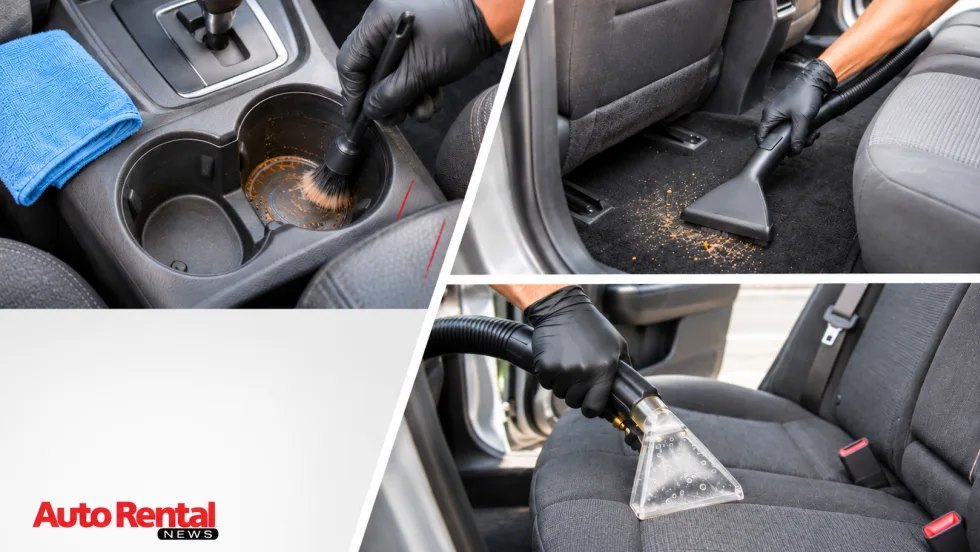
How Better Cleaning Processes Improve Rental Fleet Efficiency
A consistent approach to vehicle cleaning helps rental operators reduce turnaround delays and return vehicles to service without compromising cleanliness.

Clean on Paper: Red Flags in Exotic Car Rental Verification
A suspicious $45,000 Lamborghini booking reveals the strengths and limitations of renter verification, from forged insurance documents to coverage gaps and unauthorized drivers. (Part 2 of 3)
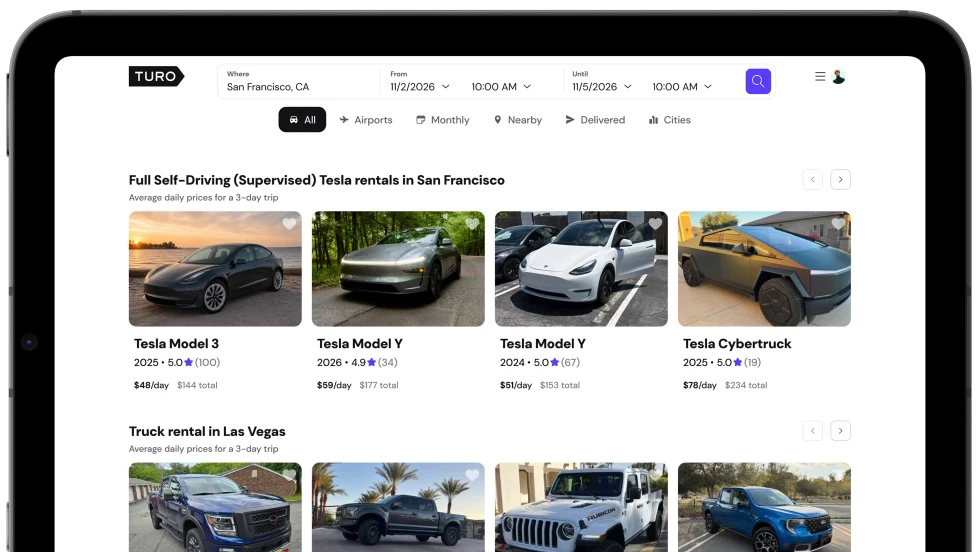
Turo and Tesla Take the Next Step Toward Autonomous Car Rentals
The partnership brings Tesla's Full Self-Driving (Supervised) technology into the rental experience, offering a glimpse of how increasingly automated vehicles could change car rental.
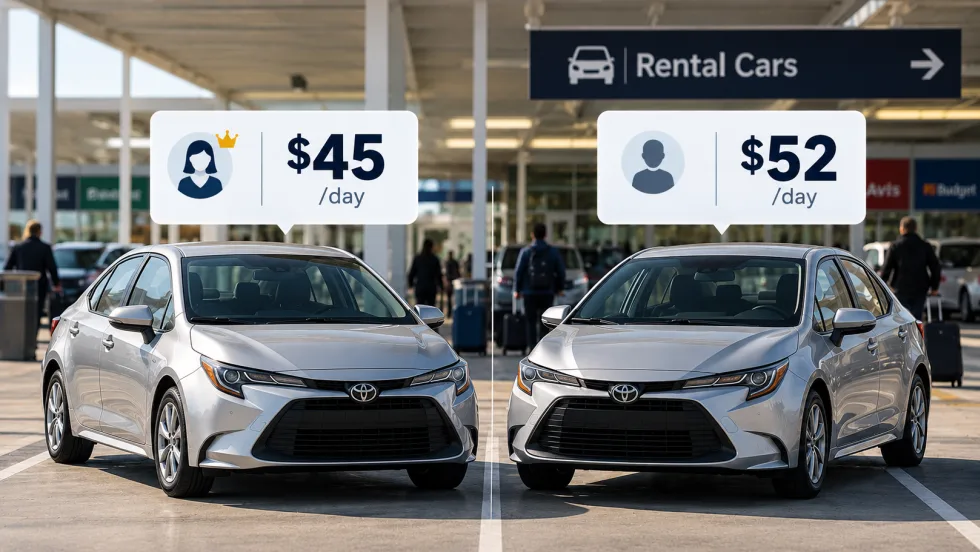
How Rental Operators Can Navigate Personalized Pricing Rules
As regulators scrutinize the use of customer data in pricing, rental operators need to know whether they can explain why one renter pays more than another.
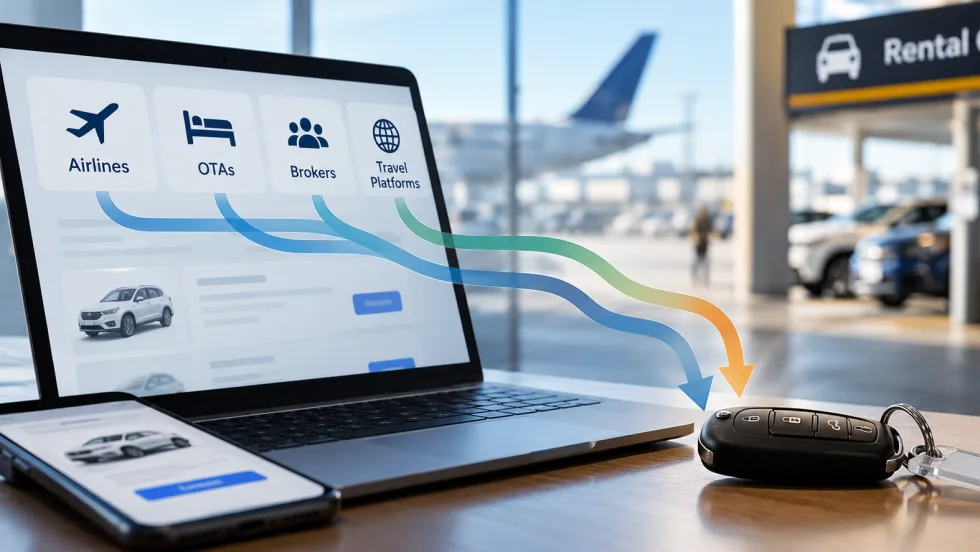
Direct, Broker or Hybrid? How Travel Retailers Source Rental Cars
As travel retailers weigh direct supplier relationships against third-party distribution, rental operators need to understand how those decisions affect their business.

How Did This Independent Rental Operator Grow to 170 Vehicles in 4 Years?
With 170 vehicles across three Kentucky locations, Joel Price relies on an overseas team to handle reservations, payments, and after-hours customer service. It's one part of an unconventional approach to growing an independent rental operation.

What Does It Take to Succeed in B2B Rentals?
The fundamentals may be familiar to daily car rental operators, but project-based truck rentals put different demands on the fleet and the business.

NPR Builds on International Partnerships to Grow Rental Bookings
With Ana Laborde supporting broker development, NPR Auto Group is tailoring distribution strategies, rate packages, and partnerships to grow international reservations across its three brands.
Advantage, Sixt Place Among Top Five in Annual Satisfaction Study
While Enterprise and National retain the top spots in JD Power’s 2026 rankings, the latest customer satisfaction results suggest renters can find competitive service beyond the biggest car rental names.