




Related: Volvo Creates Mobility Brand
Volvo Invests in Ride-Hailing Startup for Children
Zūm, a California-based company, was founded in 2015 and provides a trusted network of vetted drivers that allows parents and schools to schedule transport for school commutes, after-school events, and other activities.
March 3, 2019
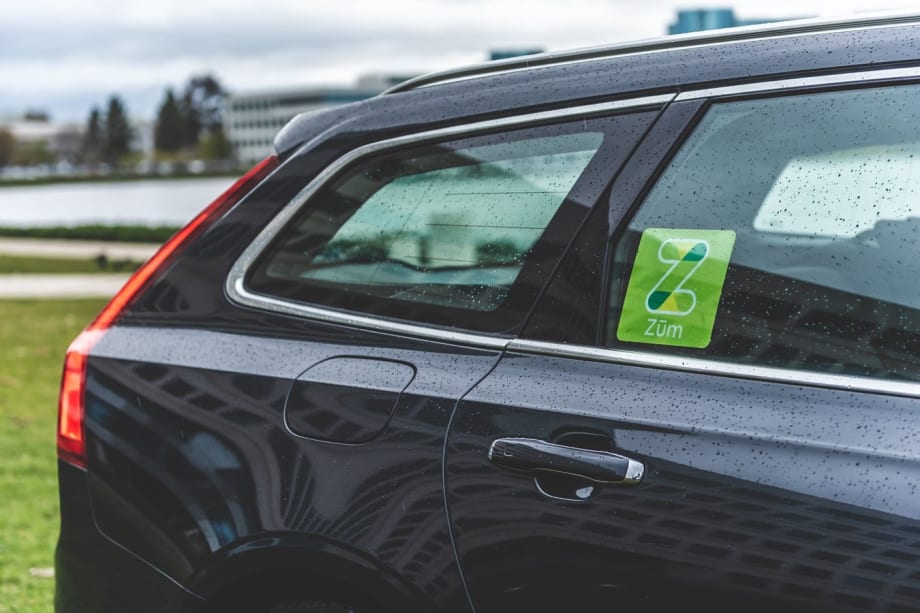
Zūm applies advanced routing algorithms and machine learning to create the most efficient routes possible and to match drivers with rides.
Photo via Volvo.
2 min to read
Volvo Cars has acquired a stake in Zūm, an on-demand ride-sharing service for children, via the Volvo Cars Tech Fund, its venture capital investment arm.
Zūm, a California-based company, was founded in 2015 and provides a trusted network of vetted drivers that allows parents and schools to schedule transport for school commutes, after-school events, and other activities. It also provides the option of adding child care before or after a ride as needed. By doing so it helps busy parents solve the daily life puzzle in a safe and trusted way.
Drivers are vetted through a strict three-step process. They need to be able to prove they have a clean driving record and previous child care experience. Each driver is also subjected to a driving test and multiple background checks. Finally, each driver needs to present his or her car and pass a thorough 22-point vehicle inspection.
Zūm applies advanced routing algorithms and machine learning to create the most efficient routes possible and to match drivers with rides. A mobile app and online dashboard allow both parents and schools to follow and track their kids’ journeys in real-time as they are being driven.
Zūm currently has thousands of certified drivers in the San Francisco Bay Area, Los Angeles, and other urban areas in California that together serve 80% of the state’s population. Volvo Cars’ investment comes as a part of a funding round by Zūm, with which it aims to expand its business into other US states and continue developing its technology. BMW also invested this round.
The customer group targeted by Zūm, families with children, significantly overlaps with Volvo Cars’ own customer base. While no decisions have been taken, Volvo Cars sees a potential for collaboration with Zūm. Possible areas of collaboration include adding Zūm to the digital consumer services offered as part of its Care by Volvo premium subscription service, as well as the deployment of Volvos as part of Zūm’s fleet.
The Volvo Cars Tech Fund was launched last year and aims to invest in high-potential technology start-ups around the globe. It focuses its investments on strategic technology trends transforming the auto industry, such as artificial intelligence, electrification, autonomous driving, and digital mobility services.
Last year, the Volvo Cars Tech Fund announced its first investment - in Luminar Technologies, a leading start-up in the development of advanced sensor technology for use in autonomous vehicles, with whom Volvo Cars collaborates on the development of LiDAR sensing technology.
Since that first investment, the Tech Fund has also invested in electric car charging firm Freewire as well as in Forciot, a Finnish firm that develops connected, printable, and stretchable electronics.
More Rental Operations

Hertz, Avis: Parsing the Q3 Headwinds and Tailwinds
Third-quarter results from Hertz and Avis show resilient pricing despite softer travel demand. Meanwhile, higher operating costs, recalls, uneven vehicle depreciation, and international weakness continue to put pressure on profits.

How Better Cleaning Processes Improve Rental Fleet Efficiency
A consistent approach to vehicle cleaning helps rental operators reduce turnaround delays and return vehicles to service without compromising cleanliness.

Clean on Paper: Red Flags in Exotic Car Rental Verification
A suspicious $45,000 Lamborghini booking reveals the strengths and limitations of renter verification, from forged insurance documents to coverage gaps and unauthorized drivers. (Part 2 of 3)
Turo and Tesla Take the Next Step Toward Autonomous Car Rentals
The partnership brings Tesla's Full Self-Driving (Supervised) technology into the rental experience, offering a glimpse of how increasingly automated vehicles could change car rental.
How Rental Operators Can Navigate Personalized Pricing Rules
As regulators scrutinize the use of customer data in pricing, rental operators need to know whether they can explain why one renter pays more than another.
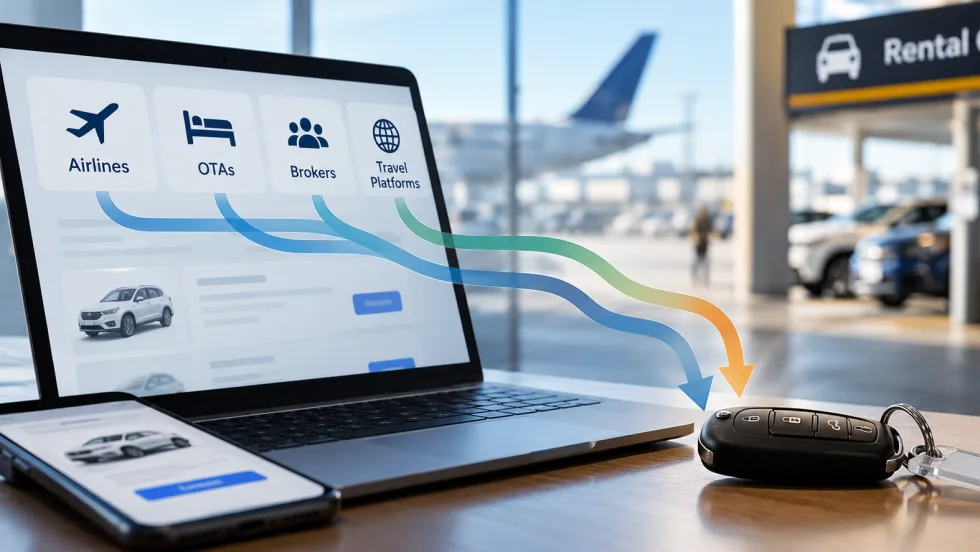
Direct, Broker or Hybrid? How Travel Retailers Source Rental Cars
As travel retailers weigh direct supplier relationships against third-party distribution, rental operators need to understand how those decisions affect their business.
How Did This Independent Rental Operator Grow to 170 Vehicles in 4 Years?
With 170 vehicles across three Kentucky locations, Joel Price relies on an overseas team to handle reservations, payments, and after-hours customer service. It's one part of an unconventional approach to growing an independent rental operation.

What Does It Take to Succeed in B2B Rentals?
The fundamentals may be familiar to daily car rental operators, but project-based truck rentals put different demands on the fleet and the business.

NPR Builds on International Partnerships to Grow Rental Bookings
With Ana Laborde supporting broker development, NPR Auto Group is tailoring distribution strategies, rate packages, and partnerships to grow international reservations across its three brands.
Advantage, Sixt Place Among Top Five in Annual Satisfaction Study
While Enterprise and National retain the top spots in JD Power’s 2026 rankings, the latest customer satisfaction results suggest renters can find competitive service beyond the biggest car rental names.