




What Trump's Parental Leave Proposal Means to Businesses
President Trump is proposing six weeks of paid maternity leave for women whose companies don’t offer paid time off. It's time for car rental operators to understand this plan's impact on their companies.
“My administration wants to work with members in both parties to make childcare accessible and affordable, [and] to help ensure new parents have paid family leave …” President Trump announced this proposal during his first address to a joint session of Congress. It signals a substantial shift in paid leave in the United States.
During the presidential campaign, Donald J. Trump made maternity leave a signature issue. Now that he is in the White House, Trump appears intent on pushing for paid leave for new parents who don’t receive time off from their employers.
Trump originally announced a plan last September. His plan, created with the input of his oldest daughter, Ivanka, includes six weeks of paid maternity leave for women whose companies don’t offer paid time off. Trump’s first joint speech to Congress may indicate that the plan will also apply to all new parents, but he has yet to reveal a formal proposal with this change.
With Trump’s renewed emphasis on the issue, employers should start to prepare now so they are ready for any new changes to federal laws.
Federal, State Laws that Impact Maternity Leave
Currently, there are no federal laws that require paid maternity leave in the U.S. However, there are several laws that impact pregnant employees, new parents, and their employers.
Under the Family and Medical Leave Act (FMLA), eligible employees can take up to 12 workweeks of job-protected unpaid leave for the birth or adoption of a son or daughter or to bond with a newborn or newly placed adopted son or daughter.
The Pregnancy Discrimination Act, an amendment to Title VII of the Civil Rights Act of 1964, makes it illegal to discriminate against women based on pregnancy or related conditions.
Under Section 7 of the Fair Labor Standards Act, employers must provide reasonable break time for an employee to express breast milk for her nursing child for one year after the child's birth. Employers must also provide a place for nursing mothers, other than a bathroom, that is shielded from view and free from intrusion from co-workers and the public.
New Push for National Paid Maternity Leave
Trump hasn’t yet submitted a proposal for paid parental leave to Congress. The plan that Trump announced during his campaign guaranteed six weeks of paid maternity leave for mothers who have given birth and who don’t receive paid time off from their employers. It did not extend paid leave to fathers or to adoptive mothers.
Whether the Republican majority in Congress will be eager to pass Trump’s proposal remains to be seen. When Barack Obama called for laws offering paid maternity and sick leave in his 2015 State of the Union address, Congress failed to pass any legislation.
Next Steps
While the situation regarding paid parental leave remains unsettled, employers should take several steps so they are prepared for any new laws.
• Stay on top of new proposals
Employers should proactively monitor any proposed legislation at the federal and state levels. Business associations, human resources staff, in-house counsel, and law firm attorneys should be regularly consulted so employers aren’t blind-sided by the regulatory or financial fallout of any new laws.
• Comply with current laws
With the current patchwork of federal, state, and local laws governing time off for new parents, now is an excellent time for organizations to work with human resources and legal counsel to review their current policies and procedures and make sure they are in compliance. By ensuring they are currently up-to-date, it will be easier to adapt any new laws that may emerge.
• Consider refresher training and updates
With the topic of paid parental leave in the news, employees may be wondering about laws and rules that impact them. This is a good opportunity to communicate with employees and provide extra training to supervisors and managers, so everyone understands the company’s policies and expectations.
As the Trump administration pushes for sweeping changes in the regulatory landscape, including parental leave, employers should start planning. Working with knowledgeable professionals now will help lay the groundwork for changes that could significantly impact employers and their workers.
About The Author
Richard D. Alaniz is senior partner at Alaniz Schraeder Linker Farris Mayes, L.L.P., a national labor and employment firm based in Houston. Alaniz has been involved in labor and employment law for over 30 years, including stints with the U.S. Department of Labor and the National Labor Relations Board.
He can be reached at 281-833-2200 or ralaniz@alaniz-schraeder.com.
More Legal & Legislative
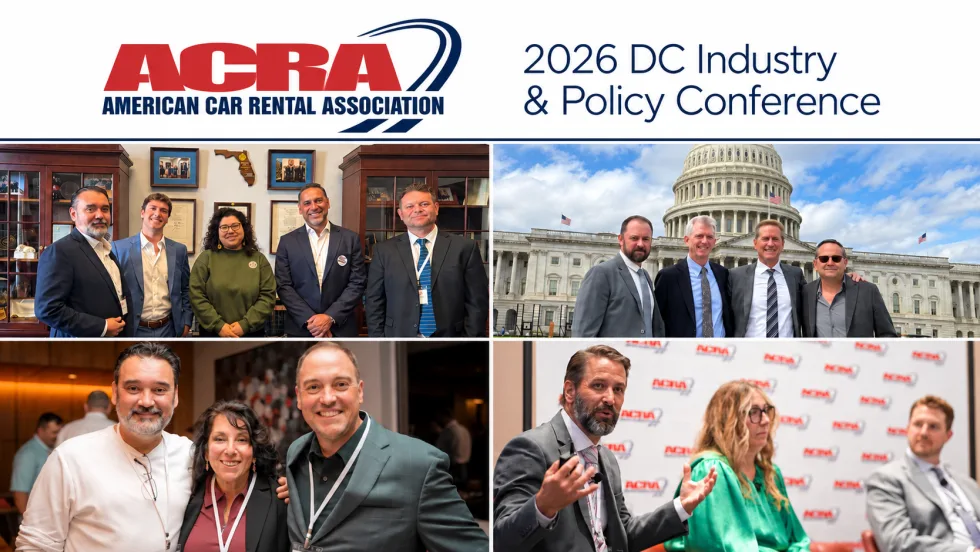
ACRA 2026 Annual DC Industry & Policy Conference in Photos
Car rental made its voice heard on Capitol Hill Sept. 22-25.
Read More →
Hertz Settlement Expands Hand-Control Rental Vehicle Availability
A court-approved ADA settlement requires Hertz to add dedicated hand-control minivans, expand reservation access, and, when necessary, offer the least expensive vehicle capable of accepting hand controls.
Read More →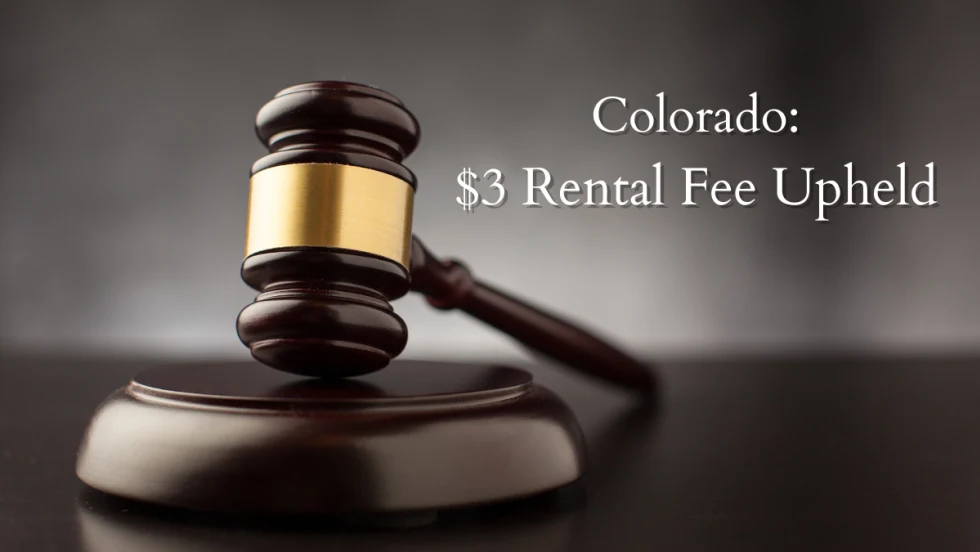
Federal Appeals Court Upholds Colorado’s $3 Rental Car Fee
In a case brought by the American Car Rental Association on behalf of the rental industry, the 10th Circuit ruled that Colorado’s congestion impact fee falls on renters — not rental companies — and can remain in effect.
Read More →
ACRA Carrying Fuller Industry Load As AI and EVs Lurk In Future
The leading car rental professional business group details an active legislative, regulatory, and macro-trends agenda affecting car rental operators.
Read More →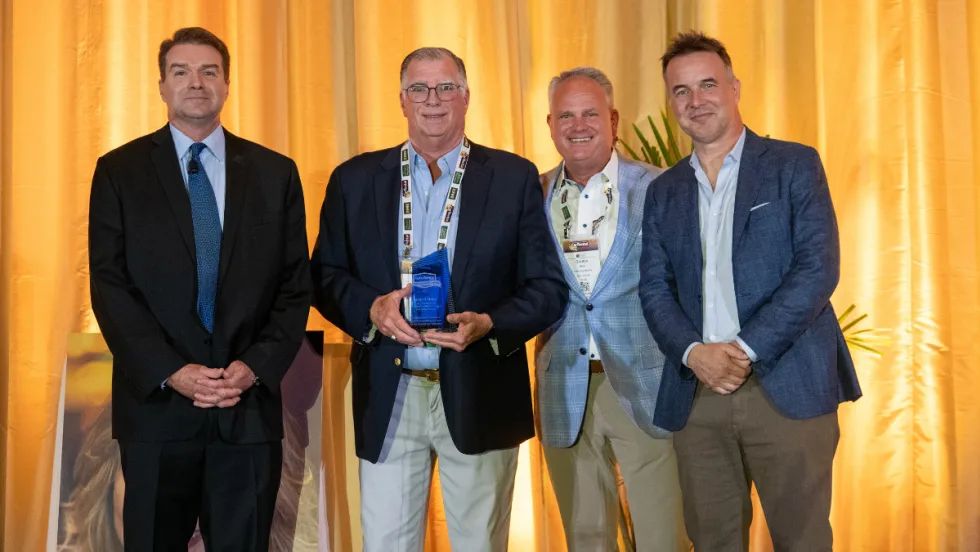
Government Affairs Executive Wins Leading Rental Car Industry Award
Robert Muhs started in the car rental industry with Avis Budget Group two years before the first International Car Rental Show.
Read More →
Using AI To Find Rental Car Damage
Angry car renters are storming social media, the mainstream media, and online ratings platforms to complain about charges they claim are either unfounded or excessive.
Read More →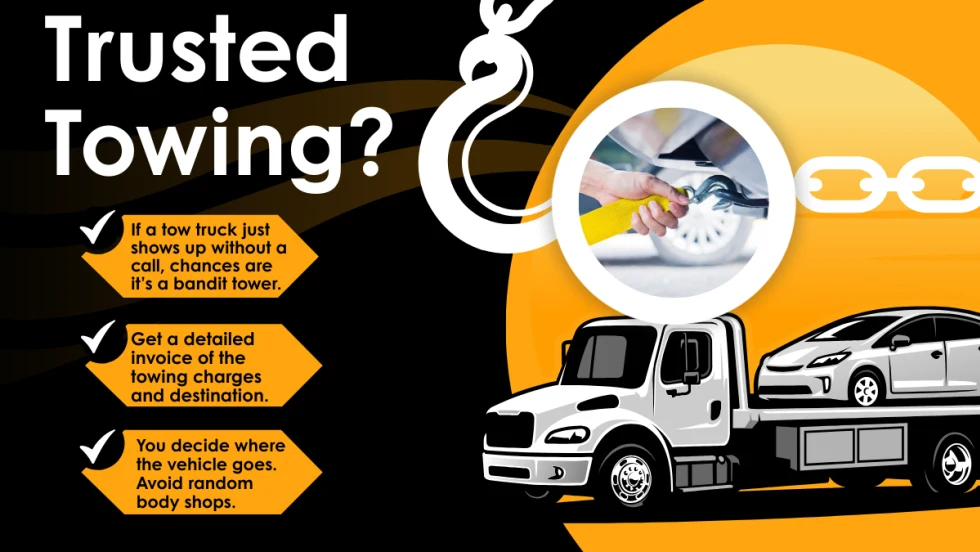
Bandit Towing A Tough Road For Car Rental Companies
Operators often must spend far too much time and resources trying to recoup rental cars towed away and held hostage to outrageously high fees.
Read More →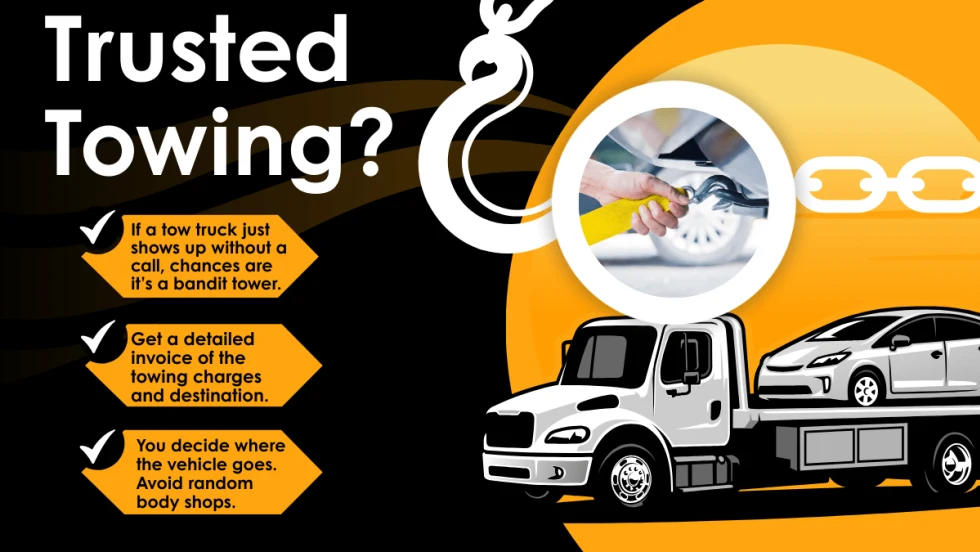
Bandit Towing A Tough Road For Car Rental Companies
Operators often must spend far too much time and resources trying to recoup rental cars towed away and held hostage to outrageously high fees.
Read More →
ACRA: Spurring Car Rental Industry Success
The American Car Rental Association scored more access and influence in 2025 as it grows its services for car rental operators.
Read More →
AVOA Partners with AALA and NLC
The American Vehicle Owners Alliance (AVOA) recently announced its partnership with the American Automotive Leasing Association (AALA) and the National League of Cities (NLC).
Read More →