




Keep Reading:Defining Your Contactless Rental Strategy
The 3 Biggest Challenges of Contactless Car Rental
With contactless service becoming more of a necessity, the car rental industry must step up its adoption. Here's how to overcome three common barriers.
by Annemari Muru, Liigu
December 21, 2021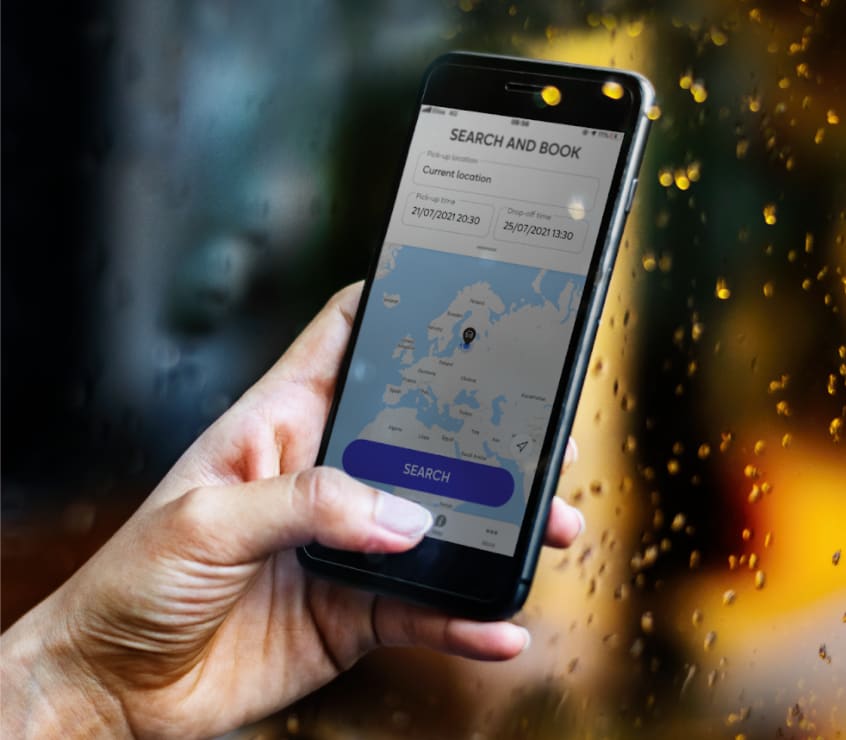
With over a quarter of consumers saying that having limited help when something goes wrong is a challenge, it is crucial to your operations to provide non-stop human support.
Photo: Liigu
3 min to read
Contactless services are becoming a necessity for more and more customers. According to a GetApp survey of nearly 1,000 U.S.-based consumers, “92% of respondents consider the availability of a contactless experience important right now — i.e., during the pandemic — while 82% say it’ll remain important even after the pandemic is over.”
Since the demand for contactless is so high, why is contactless car rental still such a rarity?
Because it’s easier said than done. Here’s why.
1. Connectivity
Choosing the right technology consumes a lot of money, time, and research power. A successful contactless car rental company has to invest in a secure phone-as-a-key system complemented with encrypted digital key management, software applications, and programming interfaces. Also, it needs telematics devices and other hardware. Because contactless is fast, all those pieces have to be connected with a smooth wireless technology like BLE (Bluetooth) or NFC (Near Field Communications, for shorter distances). Customers travel to various destinations and unlocking/locking the car can't take more than a few seconds in all of them. Whether it’s a remote mountain area, desert, or an underground parking lot, connectivity is crucial to provide a seamless user experience.
2. User Experience
The fact that a contactless car rental company doesn’t need any rental desks improves the customer experience significantly. Consumers are twice as likely to choose ease of use (50%) as the most important aspect of contactless experiences over the next option (data security, 25%). The contactless service has to be as user-friendly as possible, meaning that every step of the rental process is well explained, easily understandable, and convenient. More importantly, time-saving.
Therefore, designing the customer journey,including online and offline interactions, requires careful planning with keeping constant focus on customers' needs. Liigu’s reviews prove that it’s worth the effort, as one states: “Appreciated the virtual keys, the very clear signup and pickup instructions, the 24/7 text support, and the general intelligent planning plus attention to detail.”
3. Human Support
Connectivity and user experience are nothing without the human touch. What do we crave the most when technology fails? Probably a nice voice on the other side of the phone or a personalized text on the chat focused specifically on our problem. We don’t want bots and templates; we want empathy.
Almost 30% of consumers say that having limited help when something goes wrong is a challenge with contactless services. Especially when contactless experiences aren’t widely offered in the car rental industry and customers might feel a little insecure. It is crucial to provide non-stop human support using customers’ preferred channels and skilled agents. A responsive and caring team can do miracles when technology fails. Exceptional customer care should be a statement piece of every contactless car rental company.
Contactless car rental comes with its challenges, but it’s certainly worth investing in. The ongoing pandemic has changed our view on many traditional "ways of doing things." It set a new normal, driven by the top-notch technology.
Customers got used to fast, convenient solutions that are available to them at any moment. They won’t go back to pen and paper. Time to accept the challenge and go contactless.
About the Author: Annemari Muru is leading bustler at Liigu, an app-based mobility service that offers contactless car rental and car subscriptions. This article was authored and edited according to ARN editorial standards and style. Opinions expressed may not reflect that of ARN.
Subscribe to Our Newsletter
More Rental Operations
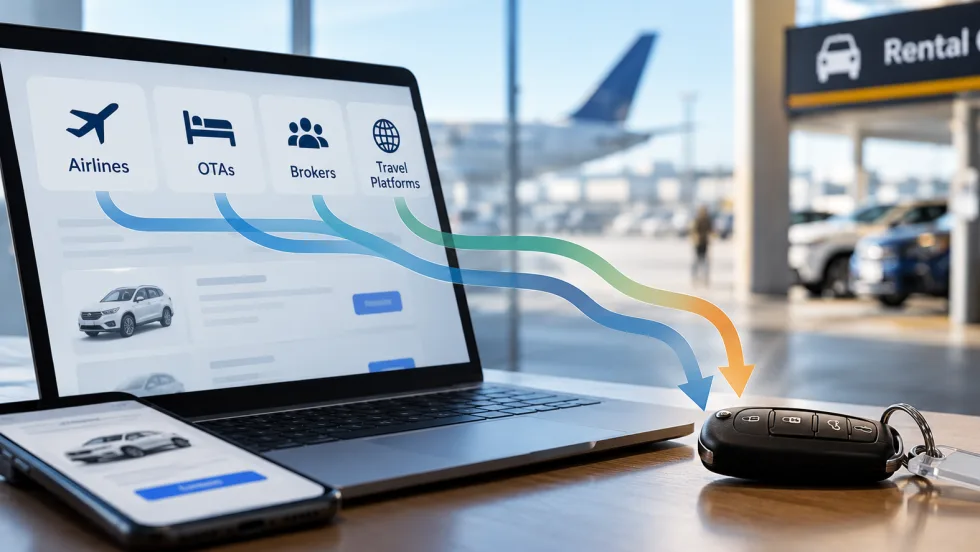
Direct, Broker or Hybrid? How Travel Retailers Source Rental Cars
As travel retailers weigh direct supplier relationships against third-party distribution, rental operators need to understand how those decisions affect their business.
Read More →
How Did This Independent Rental Operator Grow to 170 Vehicles in 4 Years?
With 170 vehicles across three Kentucky locations, Joel Price relies on an overseas team to handle reservations, payments, and after-hours customer service. It's one part of an unconventional approach to growing an independent rental operation.
Read More →
What Does It Take to Succeed in B2B Rentals?
The fundamentals may be familiar to daily car rental operators, but project-based truck rentals put different demands on the fleet and the business.
Read More →
NPR Builds on International Partnerships to Grow Rental Bookings
With Ana Laborde supporting broker development, NPR Auto Group is tailoring distribution strategies, rate packages, and partnerships to grow international reservations across its three brands.
Read More →
Advantage, Sixt Place Among Top Five in Annual Satisfaction Study
While Enterprise and National retain the top spots in JD Power’s 2026 rankings, the latest customer satisfaction results suggest renters can find competitive service beyond the biggest car rental names.
Read More →
The $100,000 Insurance Trap in Exotic Car Rentals
Exotic rental agencies often rely on customers’ personal auto policies to protect six-figure vehicles. But policy language can dramatically change the coverage for vehicles over $100,000 MSRP.
Read More →
The Booking Is Confirmed, But Is Your Customer Ready to Drive?
For international renters, a confirmed reservation doesn’t always mean they’re eligible to drive. Earlier checks can help operators catch documentation and payment issues before the customer reaches the counter.
Read More →
ICRS 2027 Opens Call for Papers
The International Car Rental Show seeks session proposals on the business, operational, and technology issues facing car rental operators. Submissions are due Jan. 15.
Read More →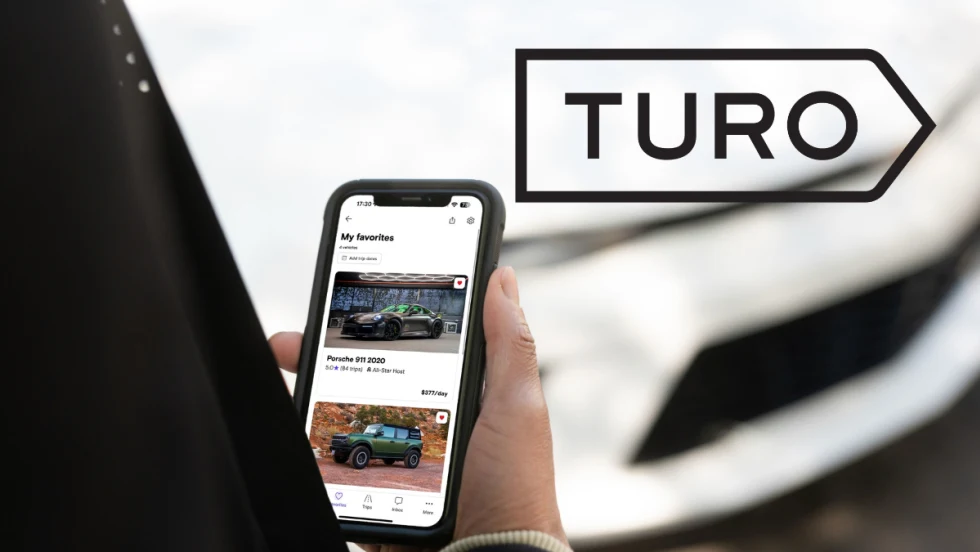
Turo to Launch Vehicle Delivery Service
Turo Delivered will let travelers search for vehicles that hosts can deliver directly to hotels, homes, airports, train stations, and other locations.
Read More →
Palm Beach Airport Code Change Creates Car Rental Distribution Gap
A test of rental searches under the old PBI and new DJT airport codes returned largely different sets of brands and vehicles, highlighting a potential distribution problem for rental operators.
Read More →