


Length of Rental Decline Moderates Slightly in Q3 2024
Most traditional patterns of LOR are returning to those last seen in 2021, albeit with overall results higher.

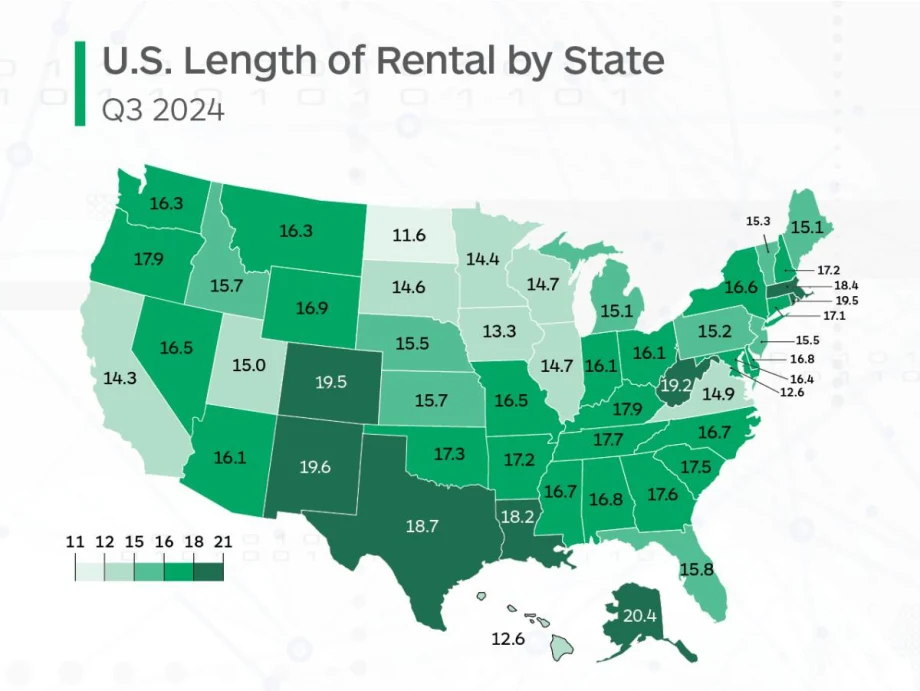
In Q3 2024, Alaska had the highest LOR at 20.4days, a 1.5-day drop. New Mexico was second highest at 19.6 days, followed by Colorado (19.5) and Rhode Island (19.5).
Graphic: Enterprise Rent A Car
The overall length of rental (LOR) for collision-related rentals in Q3 2024 was 16.3 days, a 1.2-day decline from Q3 2023, according to numbers released Oct. 24 from Enterprise Rent A Car.
Many factors affected the collision repair industry during 2022 and 2023, including supply chain issues, parts delays, and shifting workforces and driving patterns. However, most traditional patterns of LOR are returning to those last seen in 2021, albeit with overall results higher; in Q3 2021, LOR was 15.2 days.
LOR State Performance
In Q3 2024, Alaska had the highest LOR at 20.4 days, a 1.5-day drop. New Mexico was second highest at 19.6 days, followed by Colorado (19.5) and Rhode Island (19.5). North Dakota had the lowest overall LOR at 11.6 days, a 0.7-day decline from Q3 2023. Washington, D.C., and Hawaii were joint next-lowest at 12.6 days each, followed by Iowa at 13.3 days.
Across 27 states, declines exceeded one full day, compared to the 33 states plus D.C. in Q2 2024. This indicates a slight moderation in the rate of decline. Twenty states plus D.C. saw a decrease of less than one day, compared to 15 states in Q2 2024. However, Nebraska's result of 15.5 days represented a 1.3-day increase; several significant weather events in Nebraska during June and July contributed to the increase. Hawaii and Missouri's results increased minimally by 0.1 day each.
“A continued decline in LOR could be, in part, based on shops' ability to get repairs started more quickly than they could in 2022 and 2023,” said John Yoswick, editor of the weekly CRASH Network newsletter. “The national average backlog — how far into the future shops are scheduling new work — dipped to 2.6 weeks in July 2024, down by less than one day from the second quarter but 1.7 weeks shorter than a year earlier. It was the lowest average backlog of work in any quarter in the past three years.”
“In pre-COVlD 2019, generally about 15% of shops reported having no backlog and being able to schedule in new jobs immediately,” Yoswick added. “The third quarter of 2024 was the first time that specific percentage had rebounded to pre-COVID levels after being less than half that from mid-2021 through the first quarter of this year. Still, 18% of the more-than-600 shops reporting their backlog in July said they were booked out four weeks or more. That’s continued to drop since peaking at 60% in early 2023, but it's still about twice as many shops as reported that prior to mid-2021.”
Ryan Mandell, director of claims performance for Mitchell International, observed: “Several factors are converging to cause a reduction in repairable claims volumes, thus aiding in the ability of shops to efficiently process work in progress.” Auto insurance premiums continue to increase, with the Bureau of Labor Statistics reporting that the Motor Vehicle Insurance CPI increased in August 2024 by 16.5% over August of 2023 and 0.4% over July 2024.
Consequently, average first-party deductibles continued to rise in Q3, with the U.S. reaching an average of $834 (up 20.7% compared to Q3 2023 and 1.1% compared to Q2 2024).
Greg Horn, Parts Trader's chief industry relations officer, said: “Once again, the Q3 2024 median delivery day reduction comparison to the same quarter in 2023 mirrors Enterprise's LOR reduction. Parts greatly influence repair cycle time, and Q3 2023 reflected higher delivery days for parts due to the United Autoworker's strike.”
Horn added: “The U.S. collision repair industry and the economy were bracing for a potentially damaging longshoremen's strike, but the contract was temporarily extended, and the dockworkers are back unloading cargo. We are focusing on measuring the impact of the hurricanes in the Southeast U.S. in the next quarter.”
Drivable, Non-Drivable, and Total Loss Vehicles
Among the three types of vehicle collision categories:
Drivable: In Q3 2024, drivable LOR was 15.1 days, down 0.6 days from Q3 2023. Compared to Q3 2021, LOR is flat, as the result then for drivable LOR was 15.2 days.
Non-DrivabIe: Non-drivable LOR was 22.3 days in Q3 2024, a 2.7- day decline from Q3 2023. For comparison, non-drivable LOR was 21.9 days in Q3 2021.
Total Loss: LOR for rentals associated with a total loss claim was 14.9 days, a 1.7-day decrease. Compared to Q3 2021, LOR was 16.2 days — making Q3 2024 total loss LOR the only result to see a decrease compared to Q3 2021, with 2024’s results lower by 1.3 days.
As the numbers reflect, LOR has continued to decline from 2023’s highs but remains far higher than it was pre-pandemic. Just before Q4, positive signs include the lessening backlogs, averted port strikes, and lowered supply chain challenges.
As to technician hiring, Yoswick also observed, “Shops are more likely to better keep up with the flow of work because of some improvements in hiring." Government data shows the industry went on a hiring spree in 2023, and a CRASH Network survey in June indicated stability in employment since then.
The total number of full-time workers at 323 shops surveyed was 4,804 people, unchanged from the total number those same shops reported having at the end of 2023. Almost 2 out of 5 shops (38%) said they were fully staffed and not looking to hire — the highest percentage to say that since Q4 2020. Just 24% said that at the end of last year, and only 15% said that in mid-2022.
While these positives are encouraging, other challenges remain. Significant weather events were prominent in Q3 2024, including hurricanes, flooding, severe weather, and hailstorms. Economic factors affecting customer behavior, such as increased premiums, higher deductibles, and claim-filing aversion may have an impact, if any, on the industry and results.
More Rental Operations
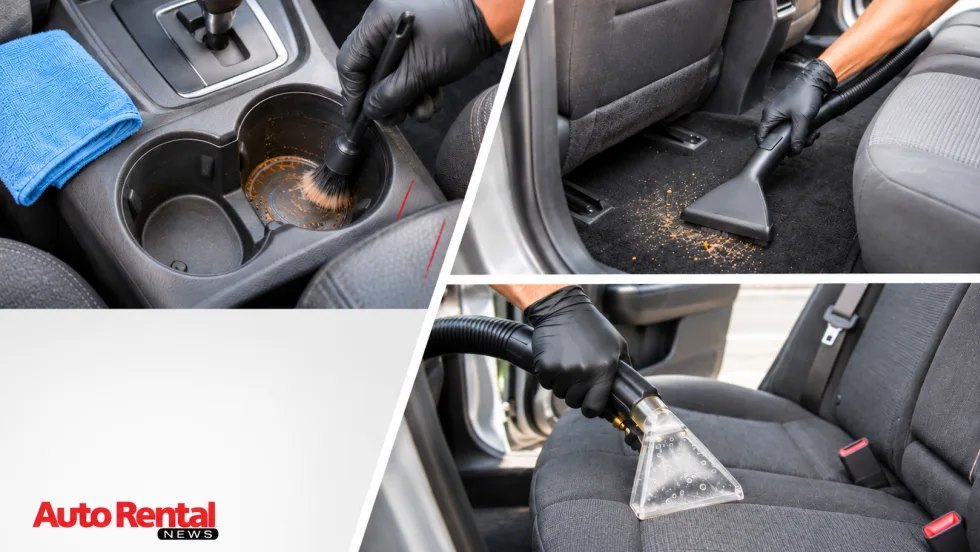
How Better Cleaning Processes Improve Rental Fleet Efficiency
A consistent approach to vehicle cleaning helps rental operators reduce turnaround delays and return vehicles to service without compromising cleanliness.
Read More →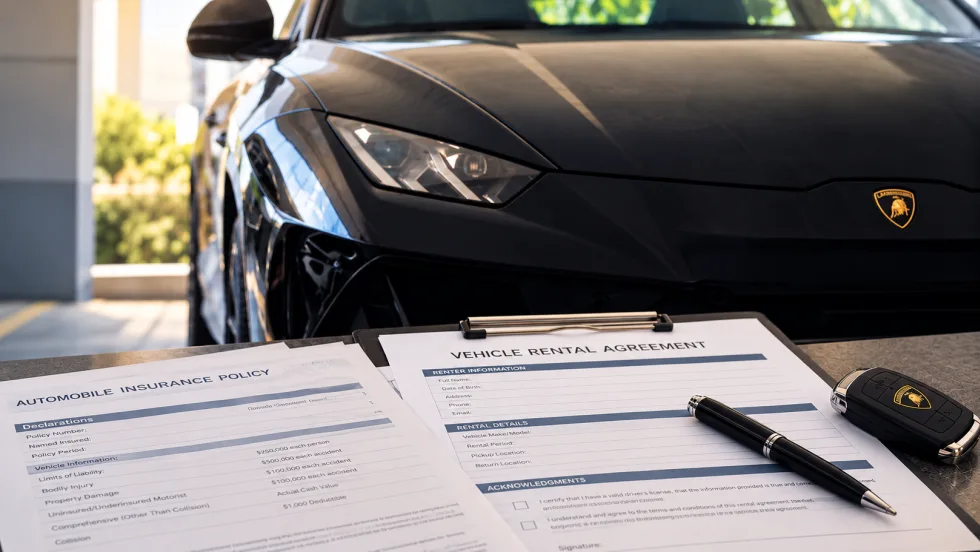
Clean on Paper: Red Flags in Exotic Car Rental Verification
A suspicious $45,000 Lamborghini booking reveals the strengths and limitations of renter verification, from forged insurance documents to coverage gaps and unauthorized drivers. (Part 2 of 3)
Read More →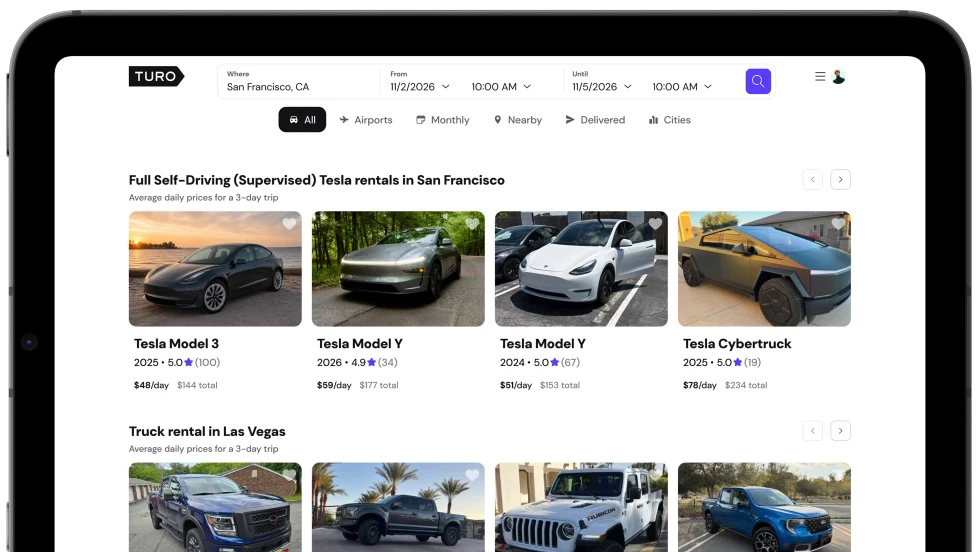
Turo and Tesla Take the Next Step Toward Autonomous Car Rentals
The partnership brings Tesla's Full Self-Driving (Supervised) technology into the rental experience, offering a glimpse of how increasingly automated vehicles could change car rental.
Read More →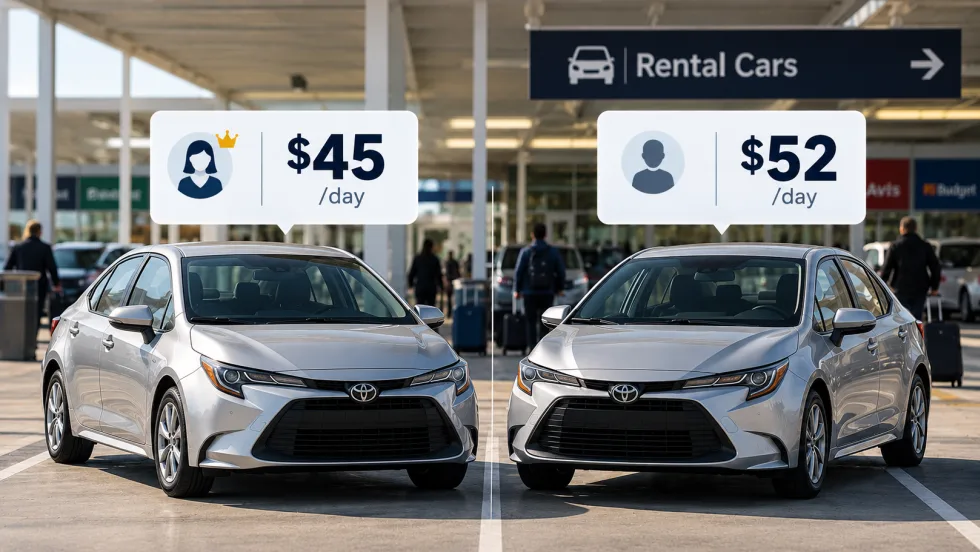
How Rental Operators Can Navigate Personalized Pricing Rules
As regulators scrutinize the use of customer data in pricing, rental operators need to know whether they can explain why one renter pays more than another.
Read More →
Direct, Broker or Hybrid? How Travel Retailers Source Rental Cars
As travel retailers weigh direct supplier relationships against third-party distribution, rental operators need to understand how those decisions affect their business.
Read More →
How Did This Independent Rental Operator Grow to 170 Vehicles in 4 Years?
With 170 vehicles across three Kentucky locations, Joel Price relies on an overseas team to handle reservations, payments, and after-hours customer service. It's one part of an unconventional approach to growing an independent rental operation.
Read More →
What Does It Take to Succeed in B2B Rentals?
The fundamentals may be familiar to daily car rental operators, but project-based truck rentals put different demands on the fleet and the business.
Read More →
NPR Builds on International Partnerships to Grow Rental Bookings
With Ana Laborde supporting broker development, NPR Auto Group is tailoring distribution strategies, rate packages, and partnerships to grow international reservations across its three brands.
Read More →
Advantage, Sixt Place Among Top Five in Annual Satisfaction Study
While Enterprise and National retain the top spots in JD Power’s 2026 rankings, the latest customer satisfaction results suggest renters can find competitive service beyond the biggest car rental names.
Read More →
The $100,000 Insurance Trap in Exotic Car Rentals
Exotic rental agencies often rely on customers’ personal auto policies to protect six-figure vehicles. But policy language can dramatically change the coverage for vehicles over $100,000 MSRP.
Read More →