




Related Issue:Why AI Should Be A Trust Tool In Car Rental
Van Rental Company Bandago Launches AI Agent Via Model Context Protocol
The autonomous software agent seeks out van rentals in real time on behalf of travelers, tour managers, travel agencies, and corporate coordinators.
February 25, 2026
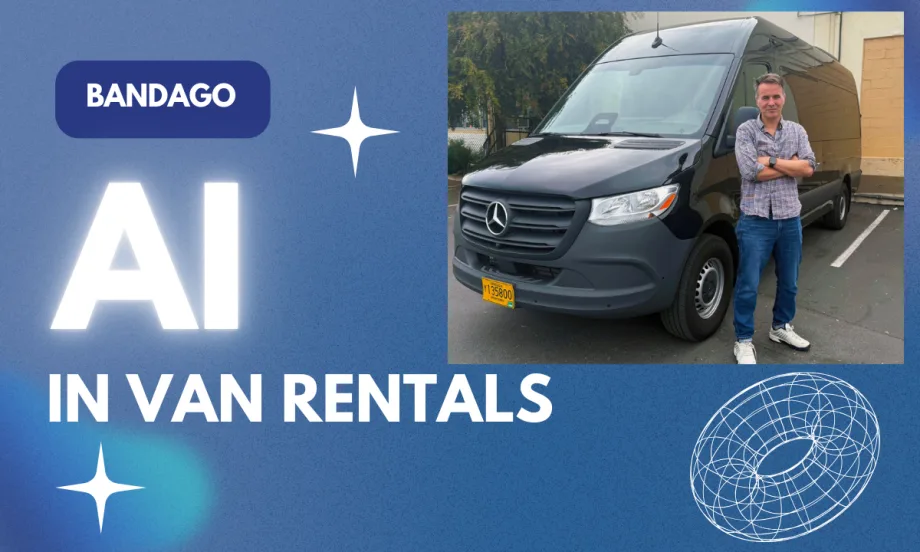
Bandago owner and CEO Sharky Laguana used a machine-to-machine protocol enabling AI agents to interact with external services the same way a human would use apps and websites.
Photo: Bandago / Graphic: Auto Rental News
3 min to read
Bandago, a national passenger van rental company, has become the first car rental company to launch a direct integration for AI agents using the Model Context Protocol (MCP), the open standard rapidly emerging as the way artificial intelligence systems connect to real-world business services.
The integration allows AI agents — autonomous software that acts on behalf of travelers, tour managers, travel agencies, and corporate coordinators — to check Bandago’s real-time vehicle availability, retrieve rate quotes, browse fleet options, and look up location details without any human interaction with a website or phone call.
“This isn’t a chatbot on our website,” said Sharky Laguana, CEO of Bandago and Chairman of the Board of Directors of the American Car Rental Association, in a Feb. 23 news release. “This is about meeting customers where they already are. If someone’s AI agent is planning a trip, booking hotels, and coordinating logistics, that agent can now pull Bandago’s availability and pricing directly into the workflow. The customer never has to visit our website or pick up the phone.”
Bandago rents out premium 15-passenger Ford Transit vans and Mercedes Sprinter vans in 17 cities across the United States. Known for serving touring musicians, the company also provides group transportation for businesses, churches, sports teams, families, and event organizers.
What Makes This Different from a Chatbot
MCP is not a customer-facing chat window. It is a machine-to-machine protocol — an open standard developed by Anthropic and adopted across the AI industry — that allows AI agents to interact with external services the same way a human would use an app or website, but programmatically and at scale.
When a travel coordinator tells their AI assistant, “Find me a 15-passenger van in Nashville next weekend,” the agent can connect to Bandago’s system, check live inventory, compare vehicle types, and return pricing — all in seconds, without a browser or a booking form.
“The car rental industry has always been about meeting the customer at the point of need,” Laguana said. “Twenty years ago that was the airport counter. Ten years ago it was a mobile app. Today, it’s inside the AI tools people are already using to manage their work and travel.”
How AI Agents Connect
Any MCP-compatible AI agent can connect to Bandago by using a simple prompt:
“Connect to Bandago’s van rental MCP server so I can check availability and get quotes. Fetch https://www.bandago.com/ai and configure the connection. No authentication is required.”
The connection requires no API keys, no developer account, and no authentication. Once connected, the AI agent has access to Bandago’s full public booking tools: real-time availability across all locations, complete rate quotes with taxes and insurance options, vehicle specifications, and location details for all 17 markets.
First Mover in the Industry
While major travel aggregators like Expedia and Sabre have released MCP servers that include car rental among many travel verticals, Bandago is the first car rental company, chain or independent, to build and deploy its own direct MCP integration.
“The big chains will get here eventually,” Laguana said. “But independent operators have always been more nimble. We don’t need 18 months and a committee to try something new. We saw the opportunity and moved on it.”
Laguana sees the technology as valuable for the broader industry. “AI agents are going to become a meaningful booking channel for car rental. The companies that make themselves discoverable and accessible to these agents early will have an advantage. I’d encourage every operator in our industry to start thinking about this now.”
More Rental Software

A Leveling Force: AI Morphs Into A Rental Car Profit-Seeker
Revenue managers can’t match the emerging AI tools gobbling lots of data that could counter the competitive race to the rate bottom.
Read More →
Stop Losing Money On Rental Tolls
Regardless of your rental fleet size and structure, fleet managers, executives, and owners can gain valuable insights into an often-overlooked area of fleet operations.
Read More →
Grow Your Rental Business Beyond Cars
Rental fleet operations are facing numerous evolving challenges and opportunities from AI technology to rate and revenue management, to customer service and business growth.
Read More →
Using AI to Create Clarity, Not Conflict, in Rental Car Damage
Rental companies still need people, policy, judgment, and thoughtful implementation, with operators remaining in control of the customer experience.
Read More →
Get Ready To Roll: No Stopping Self-Driving Rental Cars
The autonomous mobility technology revolution will move at its own pace, but sooner rather than later.
Read More →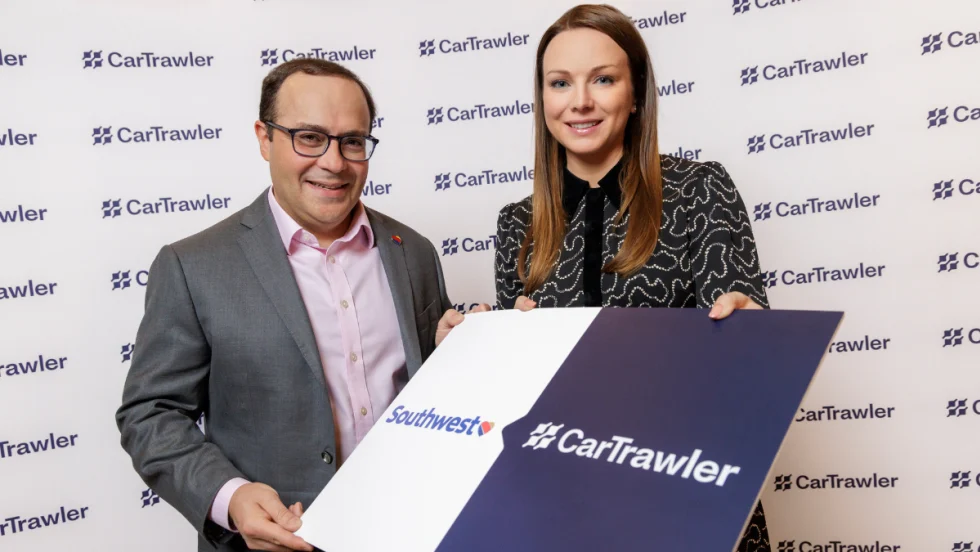
Southwest Airlines Selects CarTrawler For Its Car Rental Booking Platform
The platform is designed to allow customers to compare and book rental vehicles more easily during the travel booking process.
Read More →
RentalMatics, GeoInt Partner On Rental Car Speed Tracking Tech
Rental operators can now detect and act on speeding while vehicles are still on rent, thereby reducing fines, admin workload, vehicle wear, and safety risks.
Read More →
NextPass Expands Toll Payment Service to Highway In Toronto
Fleets and consumer can use a transponder-less option when traveling between Canada and the U.S.
Read More →
Zubie, PurCo Integrate Rental Damage Detection With Telematics
The combination brings actionable vehicle insights into PurCo’s PurInspect platform, improving damage detection and operational efficiency for rental fleets.
Read More →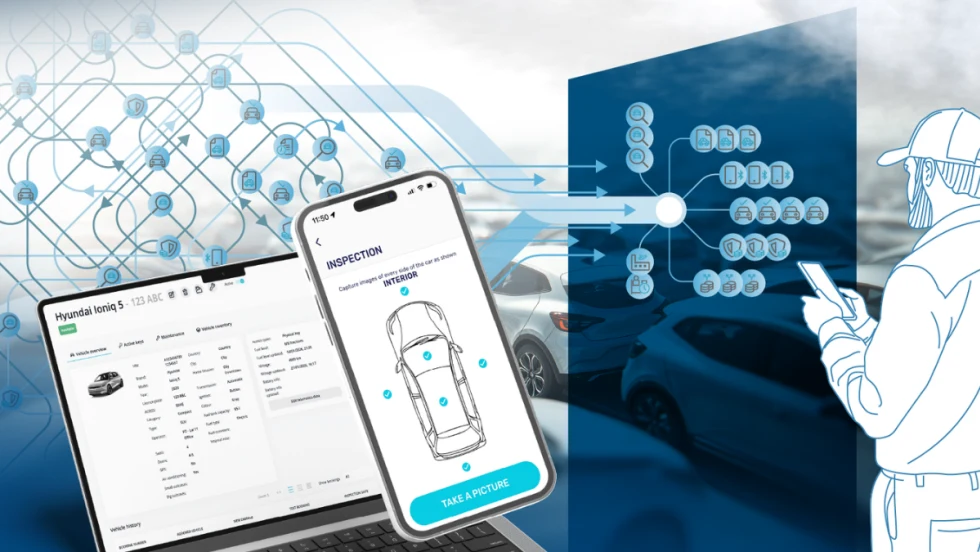
Why Car Rental Can No Longer Run On Workarounds
The shift from branch-based software to connected operations is turning rental technology into strategic infrastructure.
Read More →