




Toyota to Install Non-Takata Inflators in 65,000 Vehicles
Toyota dealers are preparing for a second recall of 65,000 Corollas, Sequoias, Tundras, and Lexus SCs fitted with replacement Takata airbag inflators that will themselves be replaced by third-party suppliers.

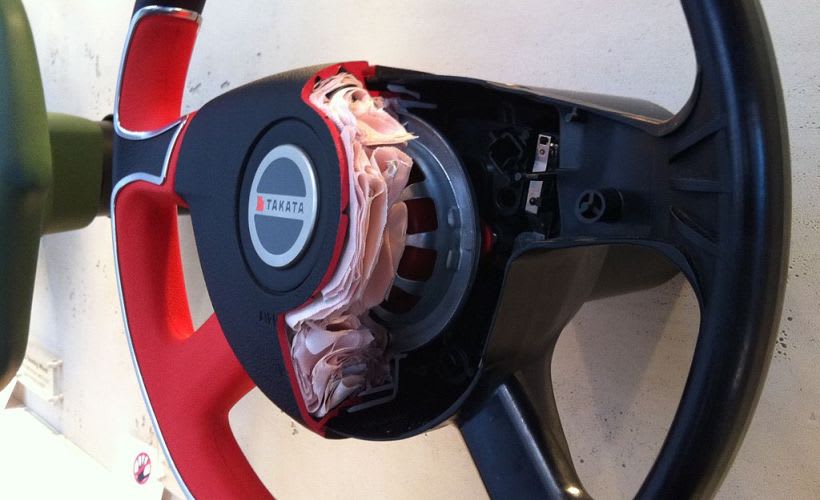
About 65,000 Toyota and Lexus vehicles will undergo a second airbag inflator or assembly replacement starting in January, this time with non-Takata parts.
Photo via Alexauto321/Wikimedia.
Toyota is conducting a safety recall involving certain 2003–’05 Toyota Corollas, 2002–’05 Toyota Sequoias, 2003–’05 Toyota Tundras, and 2002–’05 Lexus SCs sold in the U.S. Approximately 65,000 vehicles are involved in the recall, each of which was subject to previous recalls in which front passenger airbag inflators were replaced with new, Takata-produced, non-desiccated airbag inflators.
Toyota dealers will be tasked with replacing the front passenger airbag inflator or airbag assembly with an improved one produced by non-Takata suppliers. Owners of the involved vehicles will be notified starting in early January.
The factory learned a safety defect may arise in Takata’s replacement inflators due to propellant degradation occurring after prolonged exposure to high absolute humidity and high temperature cycling. Activation of an inflator with degraded propellant may result in an airbag inflator rupture, which could cause sharp metal fragments to pass through the airbag and spray directly at the driver and passengers.
“Toyota’s and other automakers’ outreach to involved owners of vehicles equipped with Takata airbags is designed to help resolve this issue as quickly, conveniently, and safely as possible,” a company statement read, in part.
The Takata airbag recall is among the largest in automotive industry history, including as many as 70 million units built by 19 automakers.
Originally posted on Auto Dealer Today, a Bobit publication.
Originally posted on Automotive Fleet
More Rental Operations
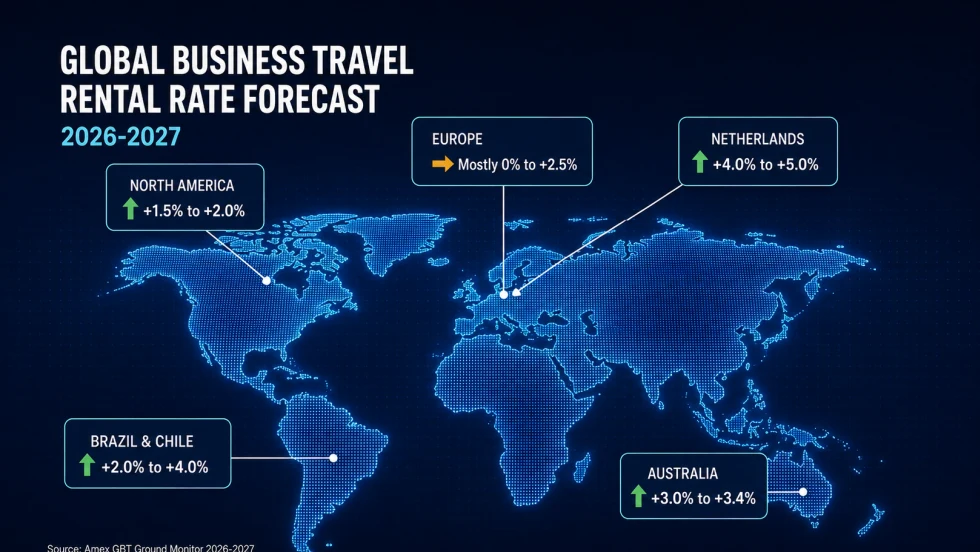
U.S. Business Travel Car Rental Rates Forecast to Rise Up to 2%
Improved fleet supply should limit pricing gains in 2026-27, while insurance, repair costs, and softer residual values continue to pressure rental operations, according to Amex GBT.
Read More →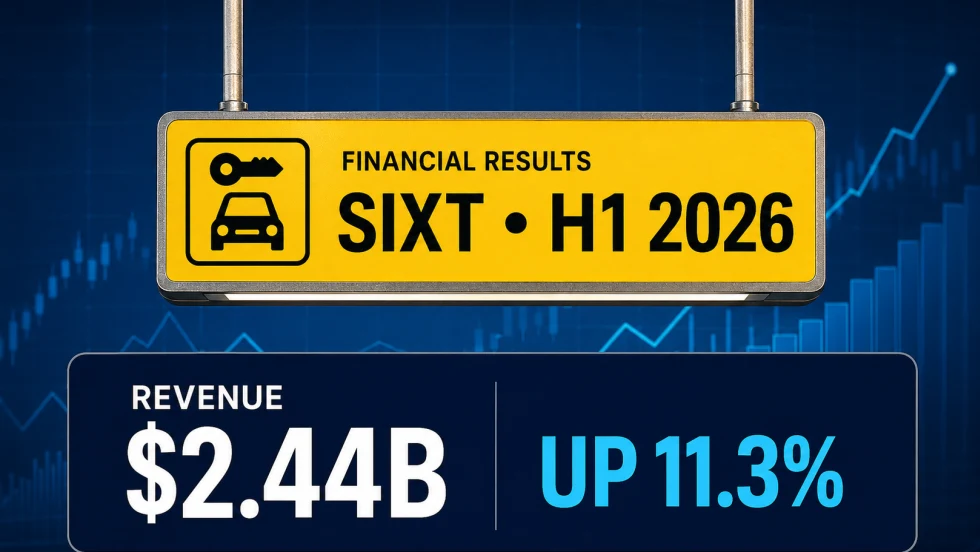
Sixt Revenue Tops $2.4 Billion in First Half of 2026
Sixt’s first-half revenue surpassed $2.4 billion for the first time as demand outpaced fleet growth, lifting utilization and earnings despite weaker consumer sentiment in North America.
Read More →
In Memoriam: Bobby Klyce, Avis Licensee Legend
The longtime Birmingham Avis operator and 2018 Auto Rental News Impact Award recipient was remembered as an advocate for independent licensees and the broader car rental industry.
Read More →
How to Build Custom Fleet Tools With AI and Vibe Coding [Webinar]
A new Automotive Fleet webinar explores how fleet managers are using AI and vibe coding to automate routine work and create simple operational tools without traditional programming skills.
Read More →
Car Rental Rates Forecast to Rise 3.6% in 2026 Before Easing in 2027
Car rental rates are projected to rise less than airfares and hotel rates in 2026, then become the only major travel category forecast to decline in 2027, according to projections from GBTA and ALTOUR.
Read More →
Avis Cuts Fleet as Summer Demand Trails Expectations
Avis Budget Group increased second-quarter earnings despite lower Americas revenue and softer-than-expected summer demand. The company also expanded Avis First and advanced its autonomous fleet operations with Waymo.
Read More →
Why Bookings Are Only the Start of the Rental Day
A reservation captures demand. The operating test is whether the business can keep the customer, vehicle, commercial terms, and next action aligned until the rental is closed.
Read More →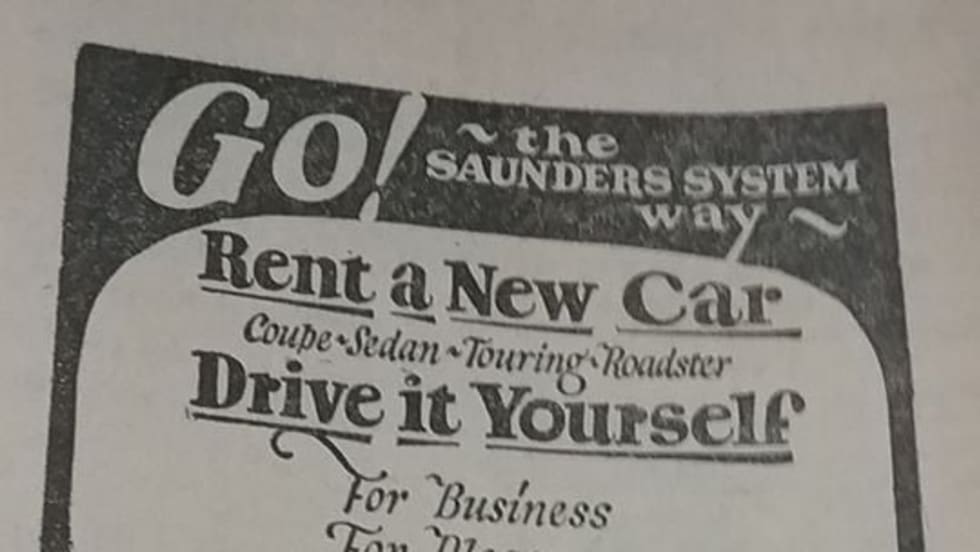
This Is the Oldest Car Rental Advertisement You’ll Ever See
This ad for Saunders Drive it Yourself, believed to be the first car rental company in the U.S., was found in an Omaha phone book from 1926.
Read More →
The Desk Upsell Is Costing Operators More Than it Earns
Counter upsells generate revenue, but they can also slow transactions, erode trust, and cost repeat business. Fully inclusive pricing may offer operators a better path to long-term value.
Read More →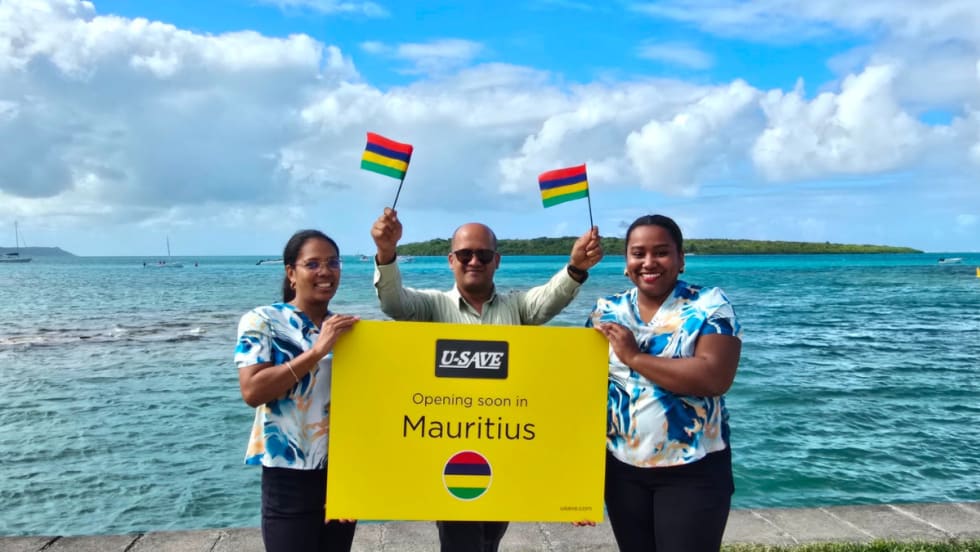
U-Save Expands Indian Ocean Presence with New Master Franchise for Mauritius
The franchise has been acquired by Mauritian travel entrepreneur Umarfarooq Omarjee, an established figure in the island's tourism and mobility sector.
Read More →