





Related: National Tourism Office Shows Decline in International Inbound Travelers
Coronavirus Disrupts International Travel
As the COVID-19 virus continues to spread, the Department of State has continued to update travel advisories to the affected countries. The virus has now been detected in almost 70 locations internationally.
March 4, 2020

In order to prevent the spread of the virus, any U.S. citizen returning to the United States who has been in mainland China within the previous 14 days may need to undergo a health screening and possible self-quarantine.
Photo via Michael Gaida/Pixabay.
3 min to read
Coronavirus disease 2019 (COVID-19) is caused by a virus, which started the outbreak of a respiratory illness that was first detected in Wuhan, China, according to the U.S. Department of State. Common signs of infection include respiratory symptoms, fever, cough, and breathing difficulties. In more severe cases, the virus can cause pneumonia, severe acute respiratory syndrome, and kidney failure, according to the World Health Organization (WHO).
On Jan. 30, the U.S. Department of State updated the Travel Advisory for China from a Level 3 (reconsider travel) to a Level 4 (do not travel due to COVID-19).
In order to prevent the spread of the virus, any U.S. citizen returning to the United States who has been in mainland China within the previous 14 days may need to undergo a health screening and possible self-quarantine. If they have been in China’s Hubei province, they may be subject up to 14 days or quarantine.
The virus has now been identified in almost 70 locations internationally, including the U.S., according to the Centers for Disease Control (CDC). During the week of Feb. 23, the CDC said that community spread of the virus caused it to show up in California, Oregon, and Washington. The first death from the virus was reported in the state of Washington.
The CDC has issued the following travel guidance: Hong Kong (Level 1: practice usual precautions); Iran (Level 3: avoid nonessential travel); Italy (Level 3: avoid nonessential travel); Japan (Level 2: practice enhanced precautions); and South Korea (Level 3: avoid nonessential travel). The CDC has also recommended that travelers reconsider cruise ship trips into or within Asia at this time.
Travelers can still fly on airplanes but avoid travel to the Level 3 or 4 areas. Currently, air travel within the U.S. remains low risk. The WHO recommends travelers keep hands clean and use antiseptic wipes on surfaces, such as tray tables and armrests. Cabin air in airplanes is actually not a big concern, according to a Wall Street Journal report. International jetliners are equipped with filters that refresh the air every two to three minutes.
Airlines have been cancelling flights to China and other high-level countries. United Airlines has suspended flights between its hub airport cities and Beijing, Chengdu, and Shanghai until March 28, according to a report by Travel Market Report. American Airlines has stopped all flights to and from mainland China and Hong Kong until late April. Delta Air Lines has suspended all U.S. to China travel until April 30.
Most major airlines have been waiving change fees for passengers booked to travel to regions affected by the virus. For example, American Airlines is offering a one fee-free change for all travelers who buy tickets now through March 16 for travel up to January next year, according to the Wall Street Journal report.
Due to the ongoing impact of the COVID-19 outbreak, Trip.com has announced an expansion to its Safeguard Cancellation Guarantee.
As part of the new provisions, Trip.com will expand coverage of the initiative to individuals directly and unavoidably affected by the outbreak, providing the following cancellation provisions for bookings on Trip.com made before 11:59 p.m. on Feb. 23rd, for use before 11:59 p.m. on March 31st, according to the company.
Due to published travel restrictions or mandatory 14-day quarantine requirements by destination authorities, customers from affected origins (South Korea, Japan, Italy, etc.) may receive a full refund for any hotel, train ticket, airport transfer, car rental, tour, and attraction pass booking.
More Rental Operations

What Does It Take to Succeed in B2B Rentals?
The fundamentals may be familiar to daily car rental operators, but project-based truck rentals put different demands on the fleet and the business.
Read More →
NPR Builds on International Partnerships to Grow Rental Bookings
With Ana Laborde supporting broker development, NPR Auto Group is tailoring distribution strategies, rate packages, and partnerships to grow international reservations across its three brands.
Read More →
Advantage, Sixt Place Among Top Five in Annual Satisfaction Study
While Enterprise and National retain the top spots in JD Power’s 2026 rankings, the latest customer satisfaction results suggest renters can find competitive service beyond the biggest car rental names.
Read More →
The $100,000 Insurance Trap in Exotic Car Rentals
Exotic rental agencies often rely on customers’ personal auto policies to protect six-figure vehicles. But policy language can dramatically change the coverage for vehicles over $100,000 MSRP.
Read More →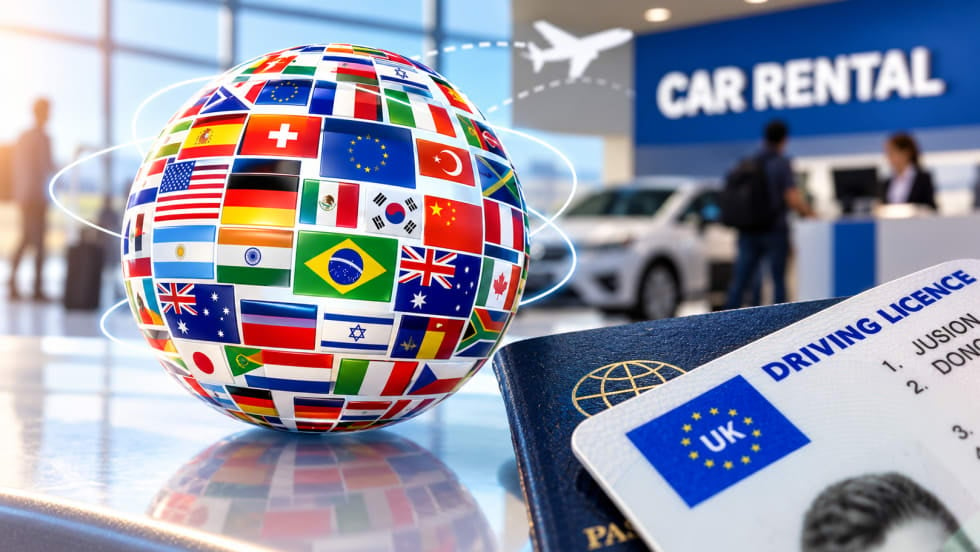
The Booking Is Confirmed, But Is Your Customer Ready to Drive?
For international renters, a confirmed reservation doesn’t always mean they’re eligible to drive. Earlier checks can help operators catch documentation and payment issues before the customer reaches the counter.
Read More →
ICRS 2027 Opens Call for Papers
The International Car Rental Show seeks session proposals on the business, operational, and technology issues facing car rental operators. Submissions are due Jan. 15.
Read More →
Turo to Launch Vehicle Delivery Service
Turo Delivered will let travelers search for vehicles that hosts can deliver directly to hotels, homes, airports, train stations, and other locations.
Read More →
Palm Beach Airport Code Change Creates Car Rental Distribution Gap
A test of rental searches under the old PBI and new DJT airport codes returned largely different sets of brands and vehicles, highlighting a potential distribution problem for rental operators.
Read More →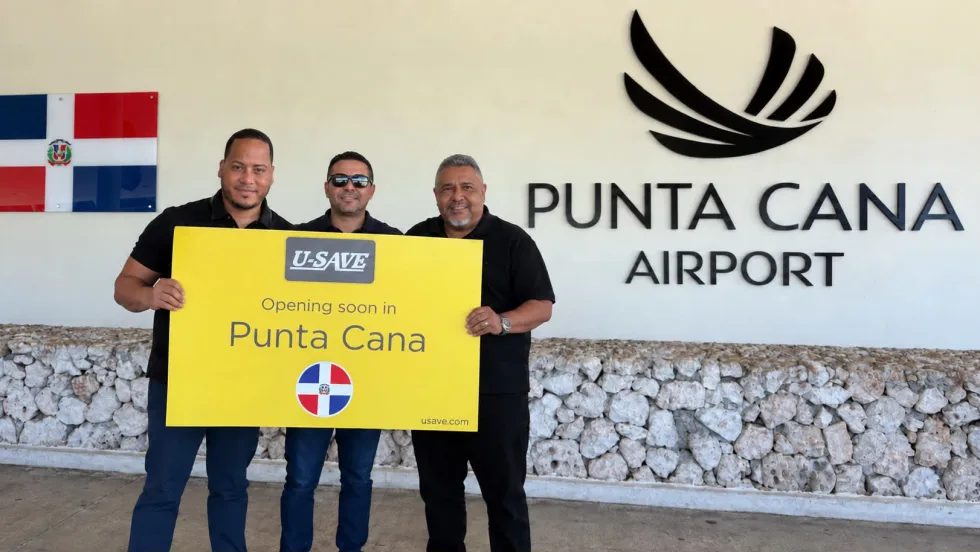
U-Save Continues Dominican Republic Expansion with Launch in Punta Cana
The new franchise location builds on U-Save’s existing Santo Domingo operation and will begin taking reservations for October 2026.
Read More →
When AI Books the Rental Car, Who Controls the Sale?
As AI moves from comparing rental rates to completing transactions, operators need to understand how travelers find, interpret, rank, and ultimately see their offers. (Part 2 of 2.)
Read More →