


Car Rental Q&A: Incentive'izing Your Incentive Plan and Best Indicators that Business is Good
What are some non-traditional signs or indicators that business is beginning to pick up?
Q: What are some non-traditional signs or indicators that business is beginning to pick up?
K. Michaels - Independent Rent a Car, Central Florida
A: It is safe to say that everyone has a different opinion about the current economic condition - where we are or when it will end. Keeping your pulse on the following items will add a different perspective to your version of a recovery:
Look for changes in hotel occupancy and non-seasonal rate increases. Unlike car rental operators, hotel operators cannot cut capacity in their room availability. Occupancy in the hotel industry is a consistent indicator.
Truck rentals and equipment rentals begin to increase.
Your top performers and best employees begin to have other career options and offers. When things turn around they will be the first to be approached by a customer or competitor for a job.
Walk-ups and reservations with less advance notice will increase.
Independent car rental operators will increase their fleet.
Your competitors may begin to offer services or customer experience items that may have been recently cut, such as adding customer service greeters and frontline staff, new and more unique fleet choices, new location signs and other general location improvements.
Your local politicians will change their message from blaming each other for the downturn to taking individual credit for the turnaround.
Regardless of how you feel about the current economic climate, the more sources of information you can obtain will allow you to form your own opinion.
Q: How do we change our incentive plan to prevent sales associates from leaving the counter or engaging in customer profiling?
Station Manager - Airport rental operator, Western Canada
A: The good news is that you do not have to do anything to your incentive plan. Don't change it. It is not the role of the incentive plan to hold sales associates accountable; it is the role of the manager. The bad news is that many managers do a very poor job of holding associates accountable for these poor and unprofessional sales practices.
Following these techniques will greatly reduce these troubling behaviors:
When the cat is away the mice will play: It is critical that your management team establishes its presence on the counter during peak rental hours. Managers should ensure that rentals are processed equally by every associate.
Set fair and obtainable stretch targets: If incentive targets are set unrealistically it will create an unfair expectation for your team and their internal motivators will get the best of them. If no one in the location is receiving a payout, there is a problem.
Go inside the numbers: Removing subjectivity and hearsay from the scenario will greatly enhance the manager's ability to hold the staff accountable. Review individual associate length of rents, average rentals by hour worked and incentive earning per agreement. Calibrate all these trends versus the location's team average.
Play the devil's advocate: Ask your associates if they have ever been pre-judged or treated differently when they made a purchasing decision somewhere else.
Applying these techniques and having a relationship-focused approach with your frontline team will improve your team's rental productivity and enhance your customer's experience.
More Rental Operations
Hertz, Avis: Parsing the Q3 Headwinds and Tailwinds
Third-quarter results from Hertz and Avis show resilient pricing despite softer travel demand. Meanwhile, higher operating costs, recalls, uneven vehicle depreciation, and international weakness continue to put pressure on profits.
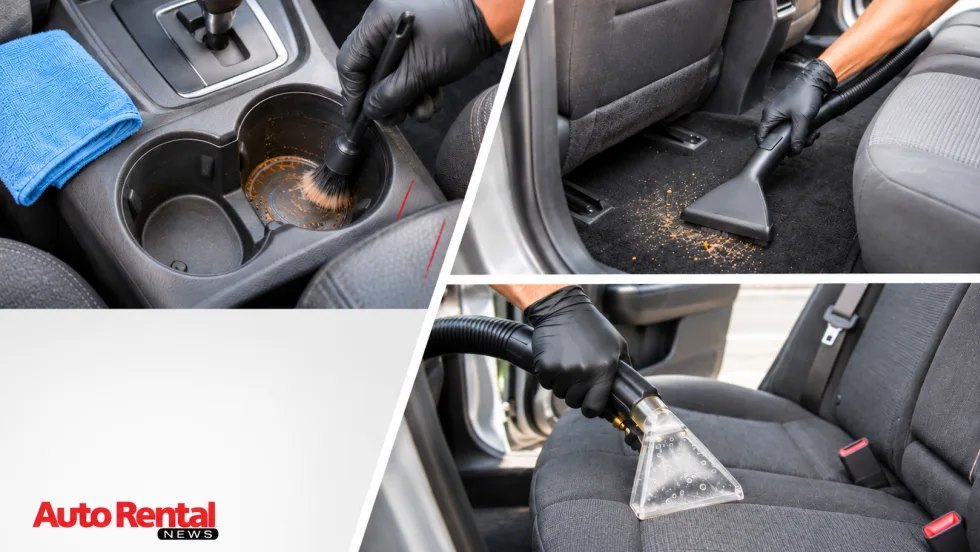
How Better Cleaning Processes Improve Rental Fleet Efficiency
A consistent approach to vehicle cleaning helps rental operators reduce turnaround delays and return vehicles to service without compromising cleanliness.
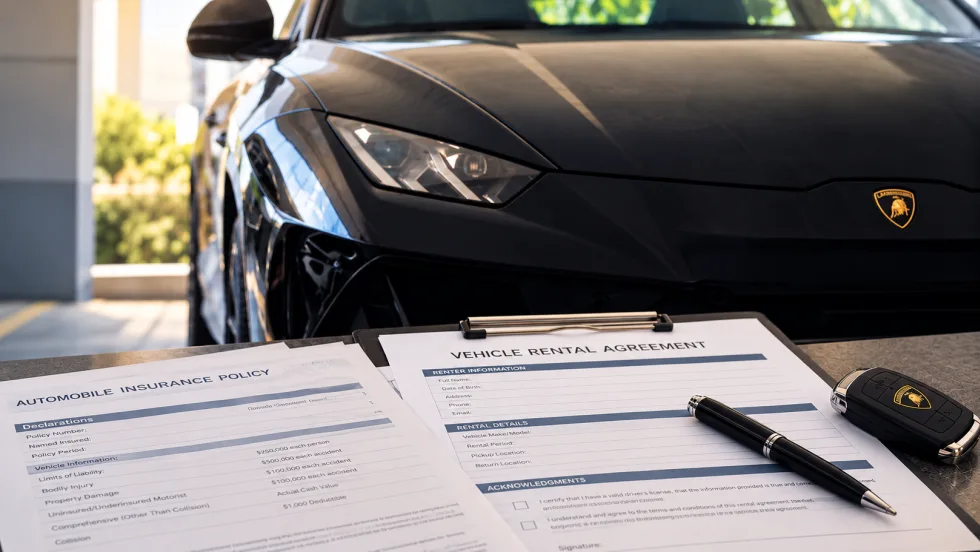
Clean on Paper: Red Flags in Exotic Car Rental Verification
A suspicious $45,000 Lamborghini booking reveals the strengths and limitations of renter verification, from forged insurance documents to coverage gaps and unauthorized drivers. (Part 2 of 3)
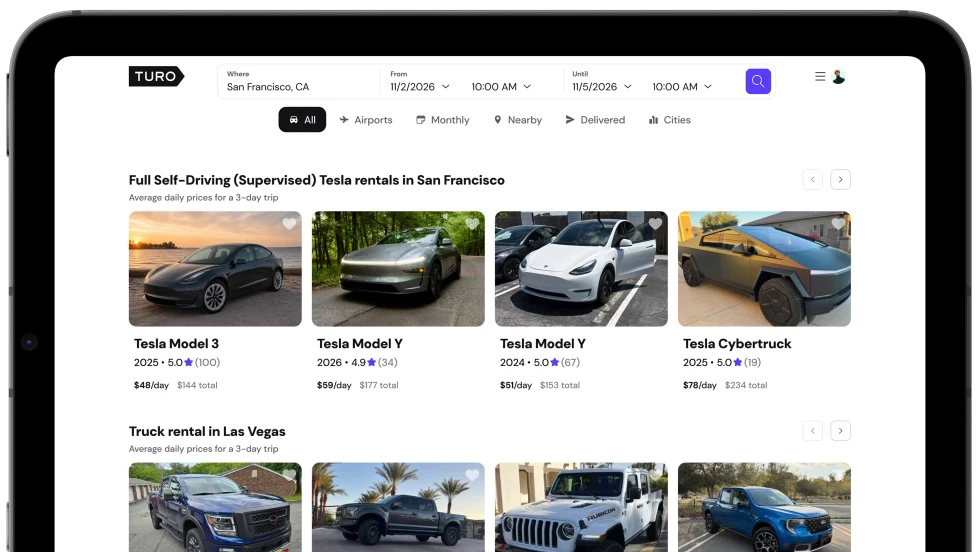
Turo and Tesla Take the Next Step Toward Autonomous Car Rentals
The partnership brings Tesla's Full Self-Driving (Supervised) technology into the rental experience, offering a glimpse of how increasingly automated vehicles could change car rental.
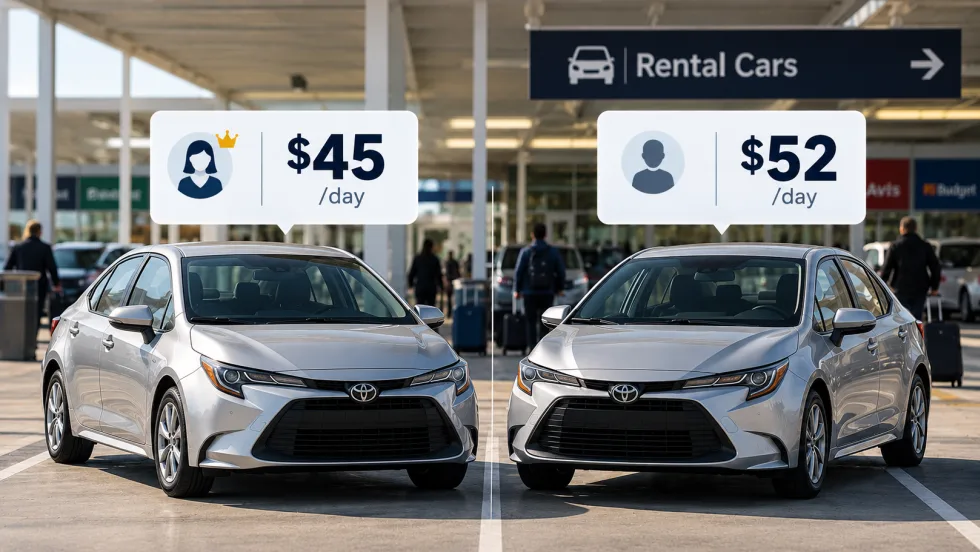
How Rental Operators Can Navigate Personalized Pricing Rules
As regulators scrutinize the use of customer data in pricing, rental operators need to know whether they can explain why one renter pays more than another.
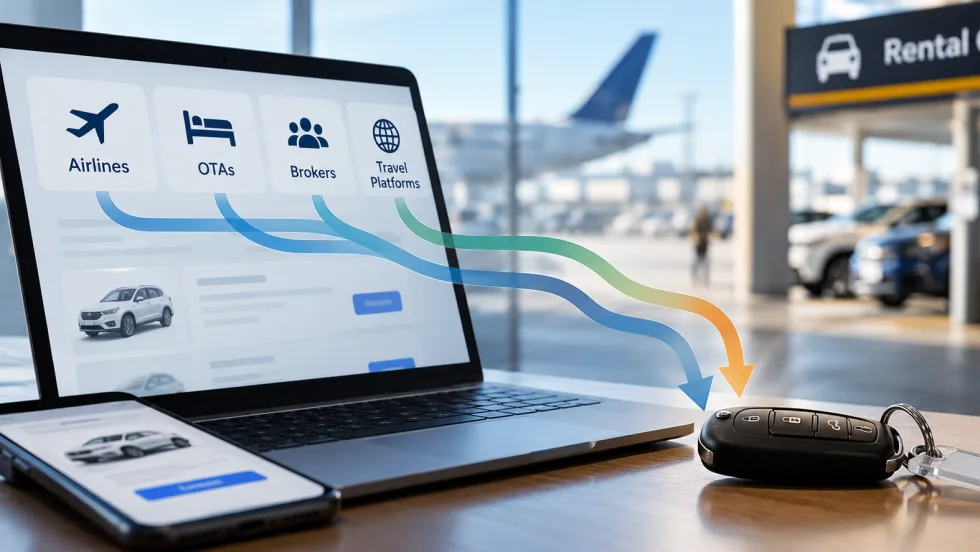
Direct, Broker or Hybrid? How Travel Retailers Source Rental Cars
As travel retailers weigh direct supplier relationships against third-party distribution, rental operators need to understand how those decisions affect their business.
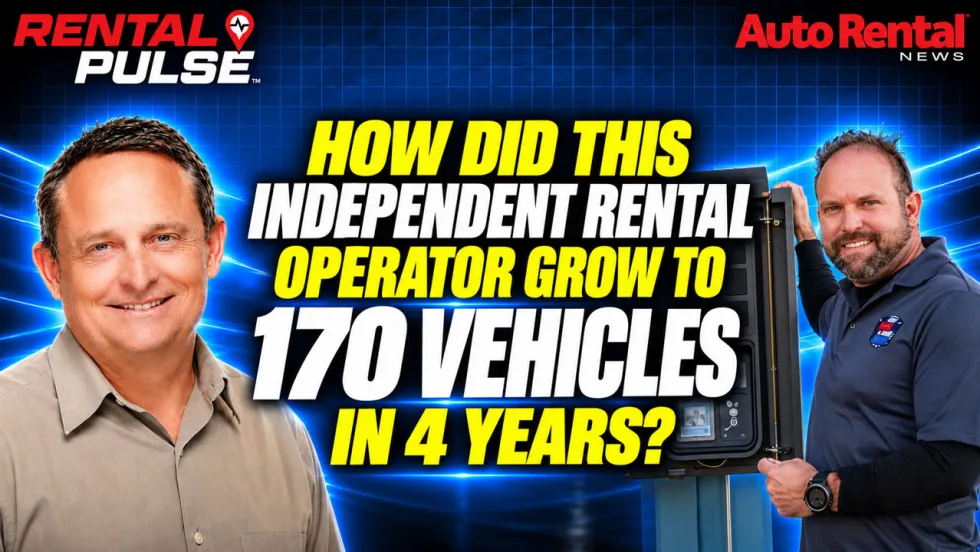
How Did This Independent Rental Operator Grow to 170 Vehicles in 4 Years?
With 170 vehicles across three Kentucky locations, Joel Price relies on an overseas team to handle reservations, payments, and after-hours customer service. It's one part of an unconventional approach to growing an independent rental operation.

What Does It Take to Succeed in B2B Rentals?
The fundamentals may be familiar to daily car rental operators, but project-based truck rentals put different demands on the fleet and the business.

NPR Builds on International Partnerships to Grow Rental Bookings
With Ana Laborde supporting broker development, NPR Auto Group is tailoring distribution strategies, rate packages, and partnerships to grow international reservations across its three brands.

Advantage, Sixt Place Among Top Five in Annual Satisfaction Study
While Enterprise and National retain the top spots in JD Power’s 2026 rankings, the latest customer satisfaction results suggest renters can find competitive service beyond the biggest car rental names.