




Related: Webinar: Managing Car Rental Risks, Liability, Legalities During a Pandemic
Insurance and Car Rental: Don’t Let a Crisis Go to Waste
Insurance companies are making a lot of accommodations that would previously have been unheard of and you’ll never know if you don’t ask.
by Bill Tierney
April 22, 2020
One big opportunity is to engage insurance companies, encouraging them to rise to the occasion and be true partners in this time of crisis.
Photo via Depositphotos.
3 min to read
The COVID-19 virus has turned our lives upside down, and it’s easy to feel powerless against this unprecedented disruption in business and life as we know it. However, it’s important to remember this pandemic provides you the unique opportunity to take time to drill down into your business and make some necessary adjustments. It’s time to look to all your partners, including the insurance companies, to put your business in the best position possible.
I’m reminded of a famous JFK quote that seems particularly suited for this time in history: “When written in Chinese, the word 'crisis' is composed of two characters. One represents danger and the other represents opportunity.”
One big opportunity is to engage insurance companies, encouraging them to rise to the occasion and be true partners in this time of crisis. It’s very easy for the insurance companies to say that they are with the operators, but unless they make some accommodations, there will be substantially fewer operators once the world gets back to normal. Insurance companies should step up to the plate, and it’s aligned with their own long — term business interests.
The insurance companies with the assistance of your insurance broker can — and should — help you get through this crisis.
This is the time to make a realistic forecast on how many units will be needed in your fleet and reduce as many units as you can from your insurance coverage. Try to park these units in a safe location — you may want to consider taking the tags off them — and make sure all your rental agents know that these units are not available. This will significantly lower the monthly insurance bill.
When you need additional units and want to add them back into the fleet, the insurance companies typically say you must wait 30 days from the date you deleted a unit from your fleet until you can have the unit back in operation. You have a rare opportunity to see if they will allow you to delete a vehicle from insurance coverage and waive the 30-day rule. Insurance companies are making a lot of accommodations that would previously have been unheard of and you’ll never know if you don’t ask.
Equally important, let’s examine your monthly premium payments. All insurance companies are holding deposits (without any interest paid to you) somewhere between 15% to 20% of the estimated annual premium. Understanding that you will be reducing your fleet for the time being, your estimated annual premium will be cut, maybe drastically.
Therefore, why can’t they allow you to defer some of your premiums over the next few months? Or how about if you use some portion of the excess deposit to help pay the monthly premiums? The insurance companies are holding anywhere from what is actually one month to maybe two months insurance premiums on deposit. I’m certain they can use a percentage of that excess deposit money for the next few months. When the smoke clears, all you will need to do is replenish the deposit if necessary.
If the insurance companies, who should be your partners, can think outside of the box and come up with creative ways that they can cooperate for the good of this partnership, then in the upcoming months you will still be in business.
I know that the last thing the insurance companies want is to lose any of their clients. It’s the right thing to do and makes sound financial sense for them not to conduct business as usual. Now is the time for insurance companies to consider this as an opportunity to demonstrate the strength of this partnership.
Bill Tierney has been writing insurance to the car rental industry for six decades. He can be reached through rentacarinsurance.com.
Subscribe to Our Newsletter
More Fleet Insurance
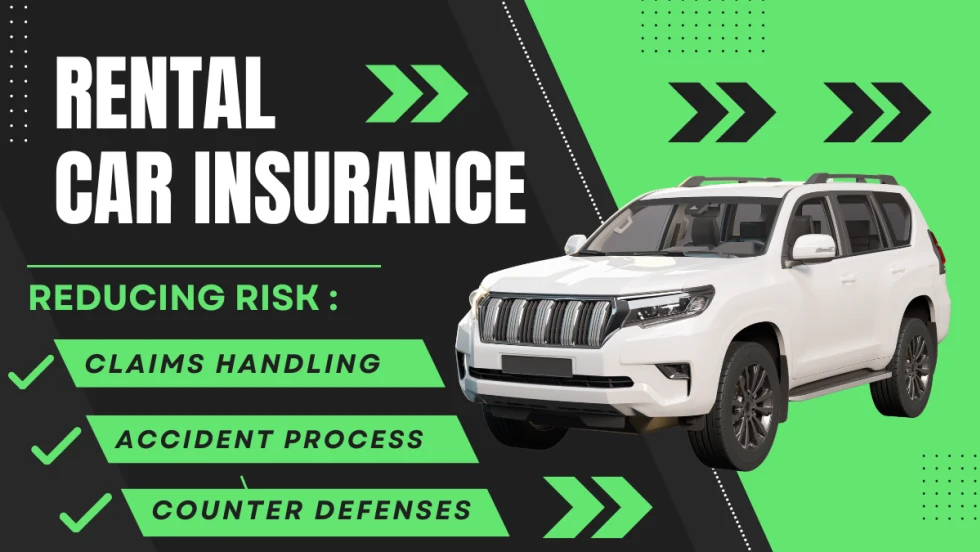
Hanging By A Vote: What the Hertz Insurance Ruling Means for Rental Operators
A recent precedent-setting court case points to the precautions and steps a rental fleet operation should take to minimize risk, reduce exposure, and avert legal consequences.
Read More →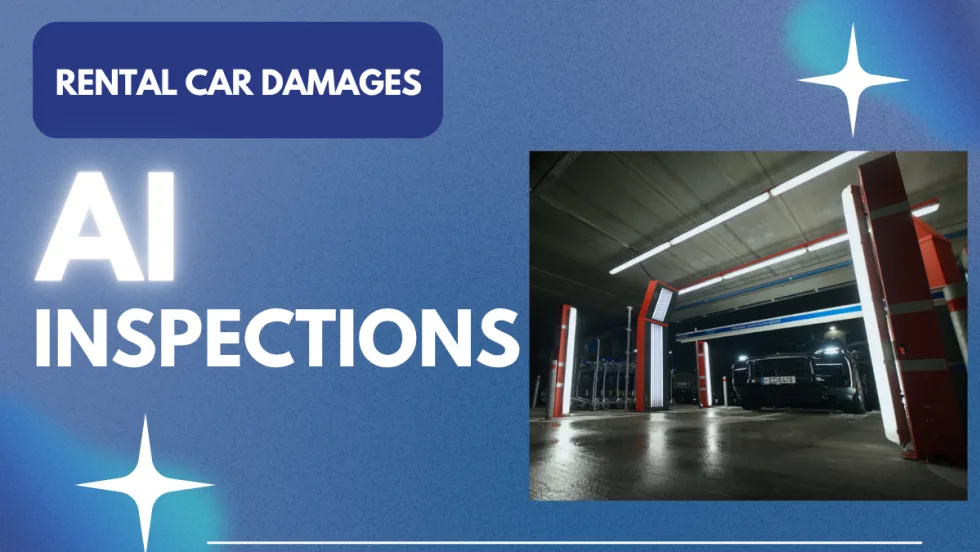
Using AI to Create Clarity, Not Conflict, in Rental Car Damage
Rental companies still need people, policy, judgment, and thoughtful implementation, with operators remaining in control of the customer experience.
Read More →
Go Rentals, Repair Provider Partner To Ease Insurance Claims Experience
The arrangement helps reduce the stress of collision repair for vehicle owners by connecting them to reliable, timely rental cars.
Read More →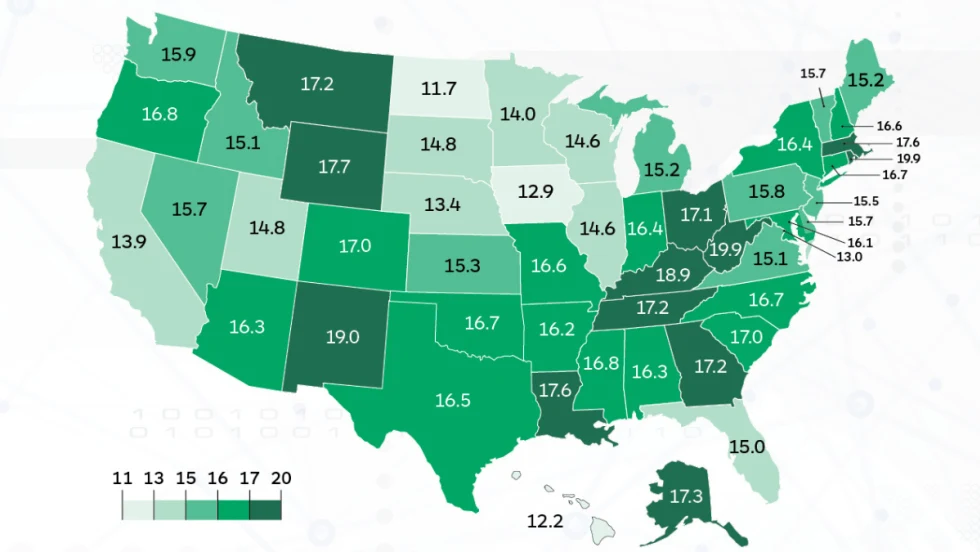
U.S. Collision-Related Rental Length of Rental Declined Modestly in Q4 2025
While LOR continues to decrease from post-pandemic highs, ongoing market and economic conditions could impact future results.
Read More →
Beyond The Rental Desk: Inside Car Rental’s Push To Simplify
Greater transparency, simplified digital access, and connected fleets will be the key factors in determining who comes out on top over the next 10 years.
Read More →
Tripiamo Brings Certified Driving Confidence Training For Car Renters
Driving abroad is one of the leading causes of death among international travelers, who are not used to new traffic patterns.
Read More →
AI in Car Rental Should Be the Customer’s Advocate, Not Accuser
Opinion/Editorial: What happens when AI randomly overcharges car renters outrageous fees and penalties?
Read More →
TSD Mobility, Canopy Connect Partner to Ease Insurance Verification
The new integration brings streamlined functionality to rental agents and dealerships.
Read More →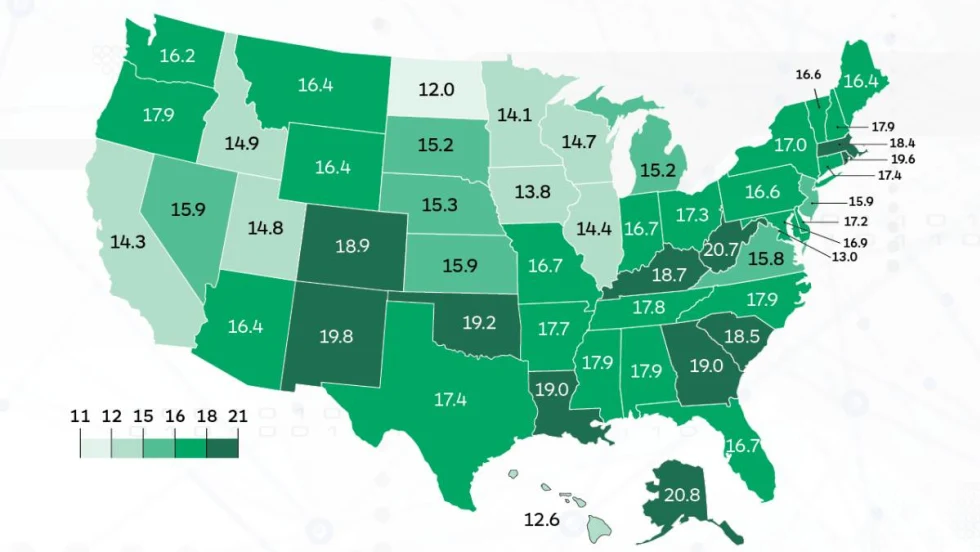
Length of Rental Could Be Finding a New Normal of More Days
The industry may not be returning to the lower LORs of 2019 and 2020 as two years of declining repair shop backlogs appear to flatline.
Read More →
Gallagher Insurance Hires Broker Focused on Rental Car Operations
The former rental fleet executive informs his insurance practices with the everyday realities of managing rented vehicles.
Read More →