


More from Annemari: The 3 Biggest Challenges of Contactless Car Rental
One Year In: Five Takeaways from One Rental Company's First Year of Business
Keyless car rental company Liigu reflects on its first anniversary and the five main lessons learned about running a successful rental business.
by Annemari Muru, Liigu
August 15, 2022
As the Liigu team celebrates one full year of operations, its CEO shares that importance of personal interaction, simple tech that works, communication, and creating a positive company culture.
Photo: Liigu
5 min to read
Last August in Nice, France, Liigu delivered a car to its first ever customer. Back then, the fleet had just 15 cars, which were used to test the service that eventually became what it is today. By that time, the team had built the app, opened sales, and cars were made smart with telematics. Liigu loved the product but didn’t know if the market was ready for it. Or if people would adapt to a service based fully on mobile phones. But, the customers loved it, and now Liigu doesn't see a way back. Contactless car rental is here to stay.
In the first year, Liigu has already served over 1,000 customers in 12 cities and in five different languages, with plans for new operations in seven popular cities across Europe. Besides the standard short-term rental, Liigu has developed a subscription service that aims to serve customers looking for a long-term rental. Long-term rental is a keyword of the future, where the convenience of a personal car is combined with a subscription-like service.
Looking back on our company's first year, I want to reflect and share five main takeaways from our journey so far.
1) The Importance of Personal Interaction
The customer is the center of everything. The service we are building is customer oriented, and the end-user perspective is always the utmost priority. We know that people trust people and want to be sure that there are real individuals behind the brand. That’s why we combine techy service with real customer support. Almost all our customers have mentioned the importance of having personal interaction in their feedback. In fact, 89% of our reviews mention customer support as the most valuable part of the brand. Being there for the customers at all times and answering them right away creates a difference.
It's important that a rental company's website and mobile app speak customers' language and make communication easy. Being customer-centric means being transparent and sincere — with no hidden costs or terms. What we have learned is this: Keep customers’ experience in mind in everything you do.
2) Make it Simple and Accessible
In today’s world, you can live, work, and study nearly anywhere. In the EU, 17 million citizens work abroad in another member state. For them, and for many others, the freedom offered by a personal car is often the most reasonable choice. For those without easy access to a personal vehicle, access to rental cars can be limited and inconvenient. That's why we started Liigu, to provide the convenience of a personal car without the need to own one.
Because life is so complex and full of emotions, service should be easy and simple. Let customers choose the car they need, verify their ID, and receive tips for using the vehicle. And the coolest thing is when the cellphone becomes the car key itself.
3) Tech Must Work
Excellent customer experience requires working tech. Technological processes need constant attention, testing, and improvements, and after that is finished, development and testing again. In the current era, a phone is almost an extension of our hands.
Using advanced technology can be both exciting and challenging. In a single rental flow, Liigu covers almost 20 different tech processes, starting from establishing the cloud connection between our cars and the system and ending with using the Phone-as-a-Key technology.
Customers love techy elements and find them exciting. Just make sure to do regular internal test rentals to see if there are any issues, and work with partner companies to ensure the best-of-the-best technological solutions are available.
4) Communication is Key
The mobility market is hot. The number of people using rental cars is expected to grow three times in the next four years. And choosing renting over owning is a growing trend because of environmental considerations and limited space in urban areas. We see it as a tremendous opportunity.
Communication is key for any business. You have to educate the larger market about contactless car rental and encourage customers to try new technologies like Phone-as-a-Key service (remember to have a good pitch, like with us you will never lose your car key!).
In our experience, the most asked question is “Where do I find the keys to the car?” and the answer is “There is no key!” Constant communication and raising awareness of the benefits of contactless car rental is one of our priorities.
5) Work Hard and Have Fun
Over the last year, the Liigu team has grown 300%. Working in a dynamic environment isn't easy. When hiring, have the management team carefully evaluate not only professional skills and potential, but also the chemistry and synergy within the team.
Instill your corporate values, too. We are proud of our international team, where each and every member treats each other with respect. We work hard but also have fun and enjoy the challenges ahead of us. As we say during our morning stand-ups, we change the world with every rental. Keeping the bigger picture in mind helps keep teams motivated and inspired.
Offering a convenient and hassle-free experience are the driving forces in the new mobility arena, and the winners will be the ones who make it happen and do it with passion.

Annemari Muru, CEO of Liigu
Photo: Liigu
About the Author: Annemari Muru is CEO at Liigu, an app-based mobility service that offers contactless car rental and car subscriptions.
This article was authored and edited according to ARN editorial standards and style. Opinions expressed may not reflect that of ARN.
Subscribe to Our Newsletter
More Rental Operations
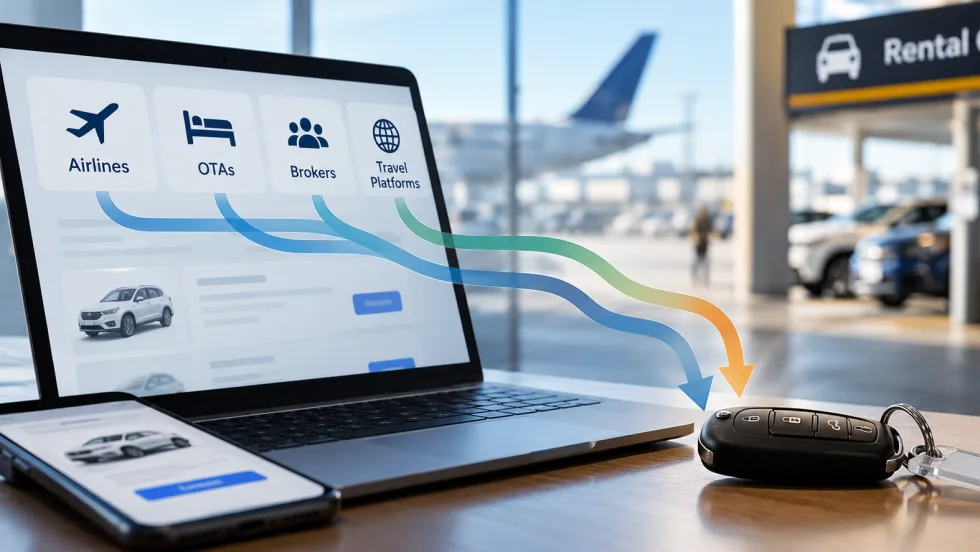
Direct, Broker or Hybrid? How Travel Retailers Source Rental Cars
As travel retailers weigh direct supplier relationships against third-party distribution, rental operators need to understand how those decisions affect their business.
Read More →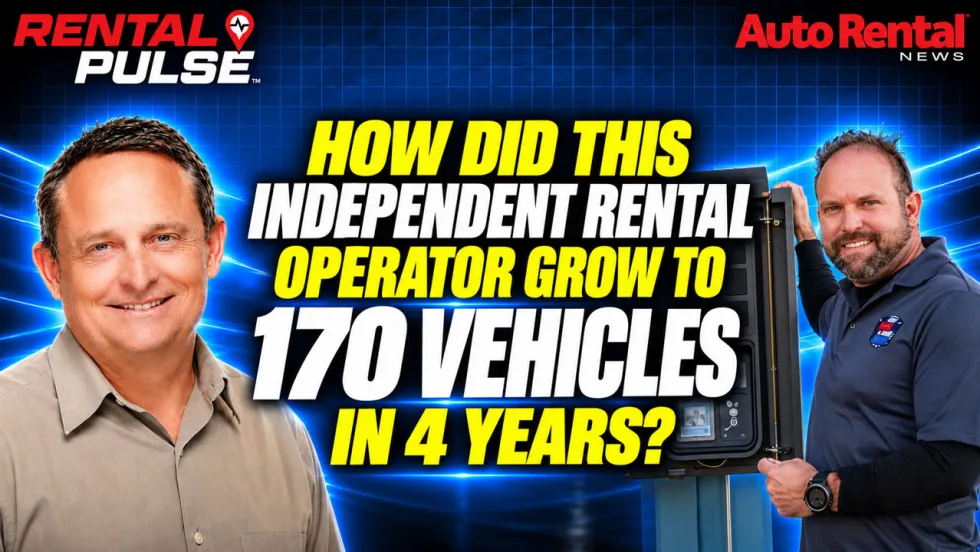
How Did This Independent Rental Operator Grow to 170 Vehicles in 4 Years?
With 170 vehicles across three Kentucky locations, Joel Price relies on an overseas team to handle reservations, payments, and after-hours customer service. It's one part of an unconventional approach to growing an independent rental operation.
Read More →
What Does It Take to Succeed in B2B Rentals?
The fundamentals may be familiar to daily car rental operators, but project-based truck rentals put different demands on the fleet and the business.
Read More →
NPR Builds on International Partnerships to Grow Rental Bookings
With Ana Laborde supporting broker development, NPR Auto Group is tailoring distribution strategies, rate packages, and partnerships to grow international reservations across its three brands.
Read More →
Advantage, Sixt Place Among Top Five in Annual Satisfaction Study
While Enterprise and National retain the top spots in JD Power’s 2026 rankings, the latest customer satisfaction results suggest renters can find competitive service beyond the biggest car rental names.
Read More →
The $100,000 Insurance Trap in Exotic Car Rentals
Exotic rental agencies often rely on customers’ personal auto policies to protect six-figure vehicles. But policy language can dramatically change the coverage for vehicles over $100,000 MSRP.
Read More →
The Booking Is Confirmed, But Is Your Customer Ready to Drive?
For international renters, a confirmed reservation doesn’t always mean they’re eligible to drive. Earlier checks can help operators catch documentation and payment issues before the customer reaches the counter.
Read More →
ICRS 2027 Opens Call for Papers
The International Car Rental Show seeks session proposals on the business, operational, and technology issues facing car rental operators. Submissions are due Jan. 15.
Read More →
Turo to Launch Vehicle Delivery Service
Turo Delivered will let travelers search for vehicles that hosts can deliver directly to hotels, homes, airports, train stations, and other locations.
Read More →
Palm Beach Airport Code Change Creates Car Rental Distribution Gap
A test of rental searches under the old PBI and new DJT airport codes returned largely different sets of brands and vehicles, highlighting a potential distribution problem for rental operators.
Read More →