


About the Author
Christine Taylor is senior vice president, North American Operations, Enterprise Holdings Inc.
 MENU
 SEARCH
If millennials are happy with an experience, they are more likely to share the positive experience with their personal networks. This can create positive word-of-mouth marketing opportunities for the car rental industry.

While millennials represent a large and powerful segment of consumers, they’re also known as some of the hardest-to-please consumers out there.
But that appears to be changing — at least for the car rental industry. As the Los Angeles Times noted in its coverage of the J.D. Power 2015 North America Rental Car Satisfaction Study, “Rental car companies have gotten so good that even millennials like them.”
Millennials not only were the most satisfied generation in the study, but they were also the most likely to share their positive car rental experiences with their personal networks. J.D. Power reported that a “delighted” millennial makes an average of 5.8 positive recommendations. What’s even more interesting is that J.D. Power also found that when they aren’t satisfied, millennials only make 1.46 negative comments about their experience.
It certainly appears millennials are more vocal about satisfaction than dissatisfaction, creating ample positive word-of-mouth marketing opportunities for our industry.
However, if our industry is to continue attracting and maintaining the support of millennials, we at Enterprise Holdings need to remember that millennials like doing business with companies that value and respect their opinions. They also expect to conveniently benefit from an array of affordable and sustainable transportation services, including carsharing, vanpooling and online ride-matching.
In other words, whether it’s for an hour, a day, a weekend or longer, our industry needs to offer a transportation solution that gives millennials the mobility they need on their own terms. Moreover, millennials want to better understand how those transportation options impact the long-term sustainability of their communities.
That’s another reason why it’s important for car rental businesses to search for non-traditional ways to tell their stories. For example, last year Enterprise helped organize a panel discussion at the SXSW Eco conference.
Titled “City Transit 411: Urban Myths & Urban Mobility,” the panel included representatives from the on-demand carsharing company, Getaround, as well as the co-director of the Transportation Sustainability Research Center at the University of California, Berkeley.
Moderated by an environmental journalist, this diverse panel cut through a lot of clutter and rhetoric. It directly addressed local transportation challenges while also clarifying common misconceptions about carsharing and ridesharing.
More recently, Enterprise participated in a panel discussion — “Access & Mobility to Cross Income, Digital, and Land Use Divides” — at the Disrupting Mobility Summit at the MIT Media Lab in Cambridge, Mass. This session focused on how local transportation providers can better meet the needs of underserved communities, including low-income neighborhoods, older adults and disabled consumers, as well as rural and suburban households.
Cutting-edge venues provide everyone in our industry new opportunities to reach consumer groups in a fresh and credible way. They also heighten awareness of urban mobility options overall, including the natural convergence of car rental and carsharing — a trend highlighted at last year’s International Car Rental Show in Las Vegas.
So let’s continue as an industry to build on the strong connections we’ve already forged with millennials in both neighborhood locations and at the airport. And let’s leverage automotive and communications technologies that are progressing at a rapid pace, as both have the potential to further strengthen the long-term loyalty and focus of millennials — not to mention other generations to come.
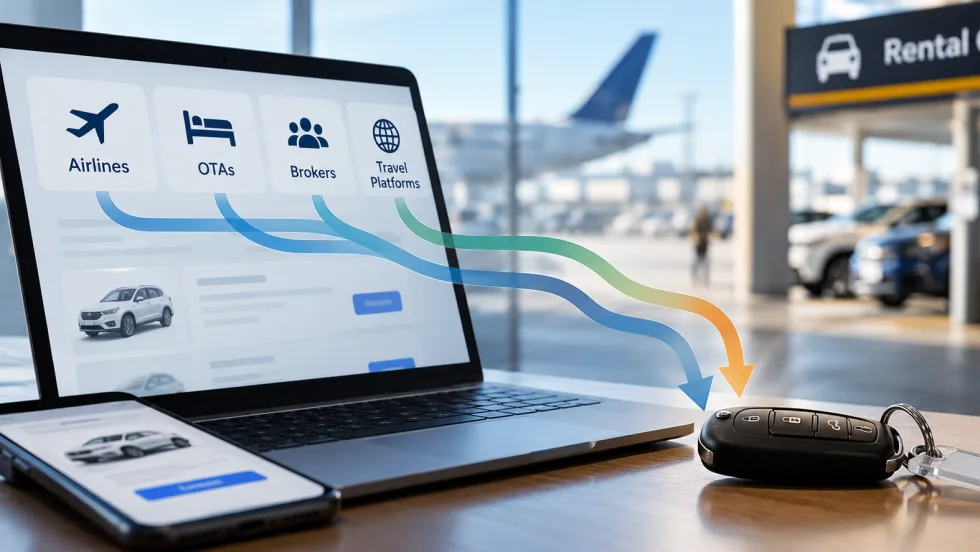
As travel retailers weigh direct supplier relationships against third-party distribution, rental operators need to understand how those decisions affect their business.
Read More →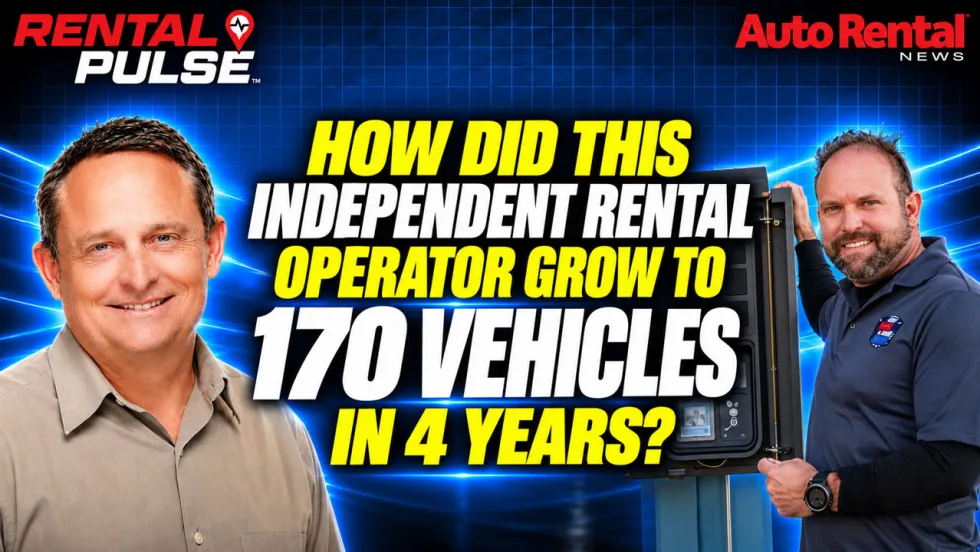
With 170 vehicles across three Kentucky locations, Joel Price relies on an overseas team to handle reservations, payments, and after-hours customer service. It's one part of an unconventional approach to growing an independent rental operation.
Read More →
The fundamentals may be familiar to daily car rental operators, but project-based truck rentals put different demands on the fleet and the business.
Read More →
With Ana Laborde supporting broker development, NPR Auto Group is tailoring distribution strategies, rate packages, and partnerships to grow international reservations across its three brands.
Read More →
While Enterprise and National retain the top spots in JD Power’s 2026 rankings, the latest customer satisfaction results suggest renters can find competitive service beyond the biggest car rental names.
Read More →
Exotic rental agencies often rely on customers’ personal auto policies to protect six-figure vehicles. But policy language can dramatically change the coverage for vehicles over $100,000 MSRP.
Read More →
For international renters, a confirmed reservation doesn’t always mean they’re eligible to drive. Earlier checks can help operators catch documentation and payment issues before the customer reaches the counter.
Read More →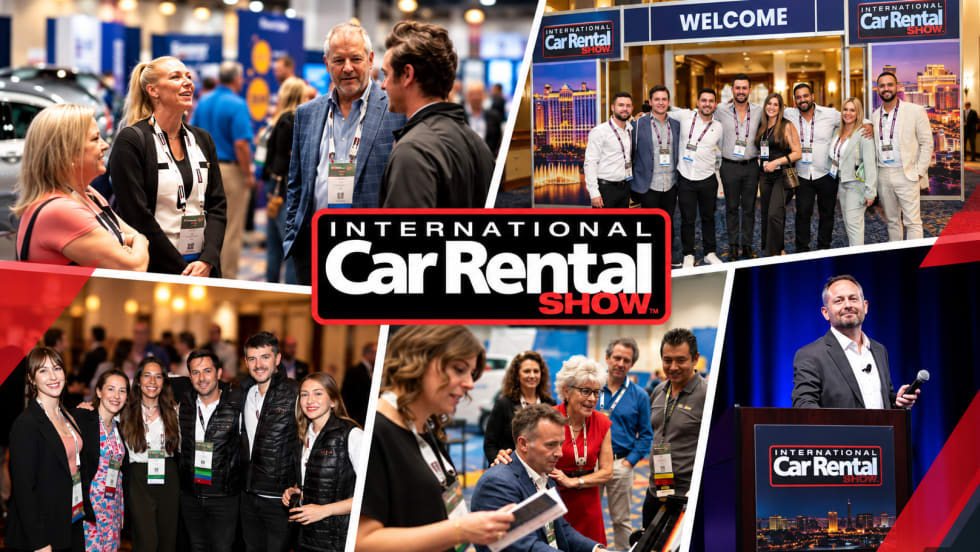
The International Car Rental Show seeks session proposals on the business, operational, and technology issues facing car rental operators. Submissions are due Jan. 15.
Read More →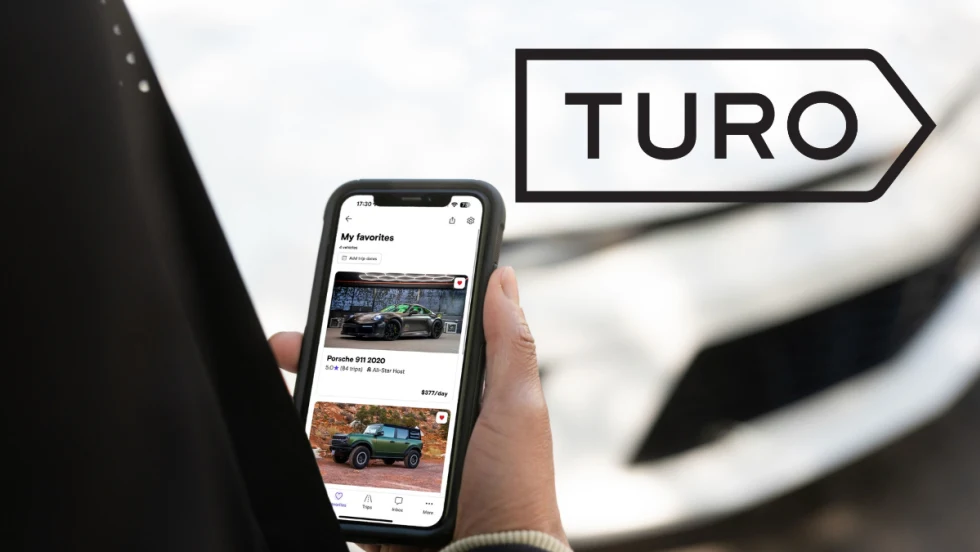
Turo Delivered will let travelers search for vehicles that hosts can deliver directly to hotels, homes, airports, train stations, and other locations.
Read More →
A test of rental searches under the old PBI and new DJT airport codes returned largely different sets of brands and vehicles, highlighting a potential distribution problem for rental operators.
Read More →