




A Brief History of Car Rental Excise Taxes
Let’s take a moment to reflect on the long path to the passage of the car rental excise tax amendment in the FAA reauthorization.

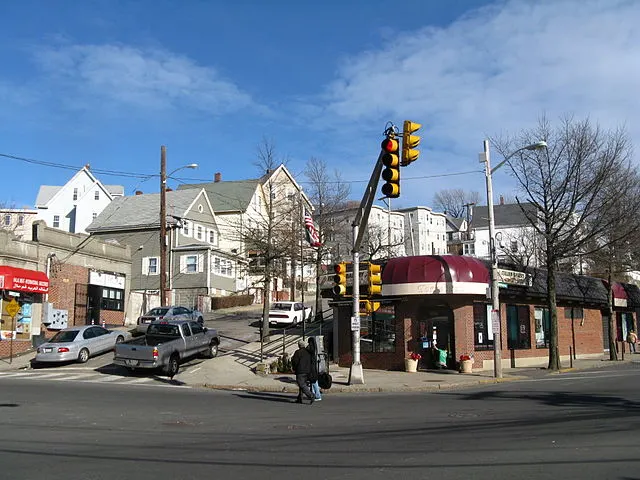
The town of Revere, Mass., became a symbol of the car rental excise tax fight when a Thrifty Car Rental location moved from the town to Boston's rental car facility serving Logan Airport, taking $750,000 in excise taxes with it.
Photo via John Phelan/Wikimedia Commons.
Sometimes a headline and a 200-word story can’t convey the importance of an issue. In that vein, “FAA Reauthorization Includes Car Rental Excise Tax Amendment” may be the understatement of the year.
We’re talking about car rental excise taxes. Not the most glamorous of subjects, but billions of dollars are at stake — revenue to fund projects completely unrelated to car rental that would provide no benefit to car rental customers, such as football stadiums, minor league baseball parks, and civic projects such as art centers and even a culinary academy.
Let’s get this out of the way: The car rental industry has never been opposed to paying its fair share of taxes, nor is it opposed to taxation on constituents for whom the taxes benefit, car rental included.
Targeting a single industry to account for significant portions of big budget public projects is not smart tax policy, but political expediency triumphed many times. It began in earnest in the early '90s, as state and local legislators looked to raise revenues from “out-of-towners” coming in to rent cars.
In 2006, the American Car Rental Association (ACRA) was reorganized with a primary focus to educate lawmakers on the issues surrounding this bad tax policy.
ACRA demonstrated that half of the overall car rental revenue pie comes from airport transactions while the other half comes from local, or “neighborhood” rentals — their constituents. These constituents earning less than $50,000 annually are disproportionally affected by these taxes, research showed.
The fight was just beginning. There were some local wins and some losses for the industry over the years.
Sometimes, lawmakers were able to see the consequences of bad tax policy themselves: In Revere, Mass., an excise tax was levied on car rental tax to pay for the town’s public safety facility. When Revere’s Thrifty location moved into the new rental facility at Boston’s Logan Airport, it shifted $750,000 per year from the city’s coffers.
In addition to state and county education, ACRA championed federal legislation, arguing that car rental excise taxes place an undue burden on interstate commerce, which Congress has the sole right to regulate.
Over the last eight years, standalone bills in both the House and Senate gained bi-partisan support. During this time ACRA began reaching lawmakers through coordinated face-to-face meetings on Capitol Hill.
A more recent avenue was an amendment included in the Federal Aviation Administration (FAA) reauthorization, which only permits discriminatory excise taxes on airport car rental transactions if the revenue would be used to reinvest in the airport.
The FAA reauthorization, including the excise tax amendment, was signed into law earlier this month.
In any measure viewed as preventive, it’s not appropriate to declare victory at the outset. The legislation, of course, does not address non-airport excise taxes. Yet this new law should make lawmakers think twice about funding unrelated projects through car rental taxation when airport tax revenue — half of the car rental revenue stream — can’t be touched.
The passage of this bill embodies years of behind-the-scenes work by ACRA on the car rental excise tax issue. Hold your applause, the fight is not over. But this is a tangible nationwide step in the right direction.
More Blog Posts
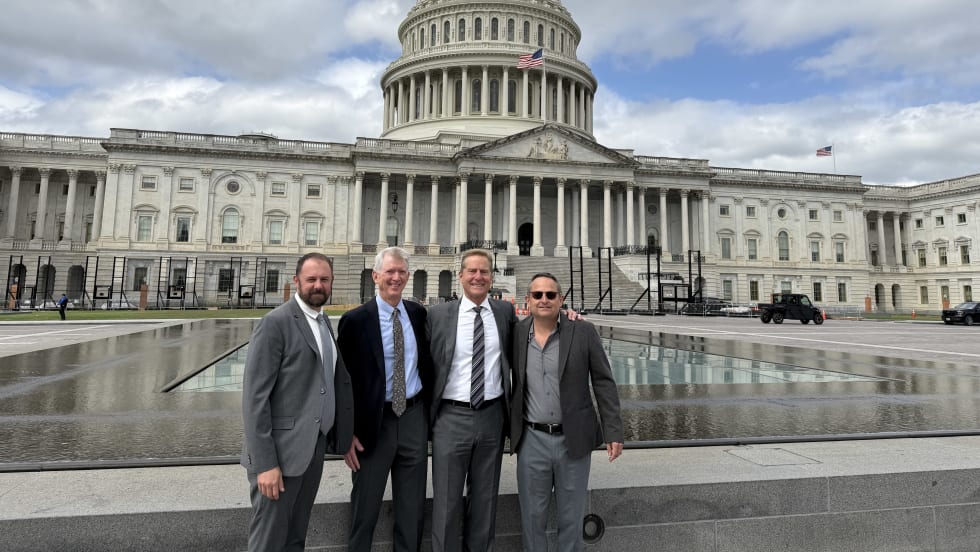
What Happens During a “Day on the Hill?”
Walking into a congressional office to discuss legislation certainly is outside the normal workday for most of us. But it’s a worthy, fun, and meaningful experience.
Read More →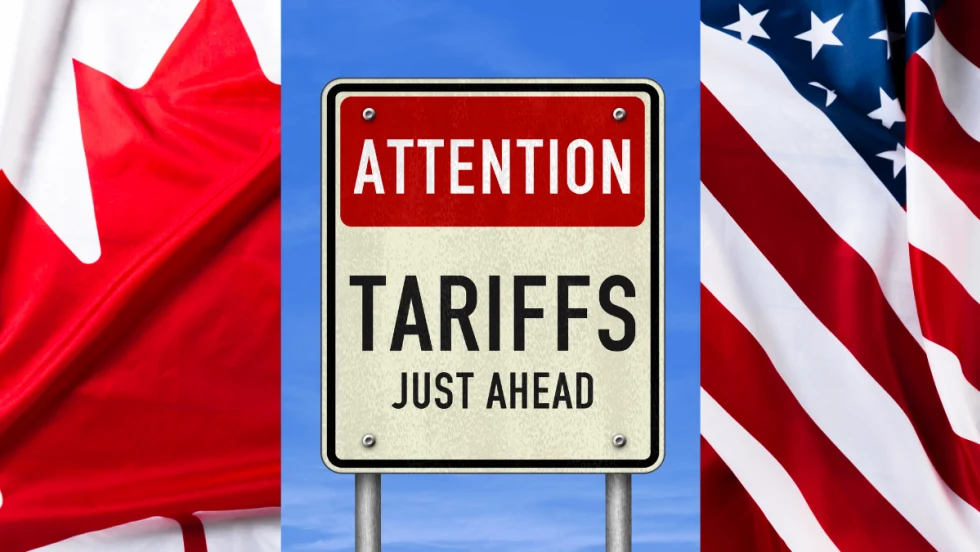
What New Tariff Uncertainty Means for Rental Fleet Planning
Automakers won’t relocate production overnight, but uncertainty over Canadian tariffs could affect vehicle pricing, sourcing, and allocation well before the proposed Jan. 1 deadline.
Read More →
I'm Back
Life moves forward, as it inevitably does, but it sometimes seems to move in circles too. You end up in a different place, but you never close a door. Because you may walk back through it again.
Read More →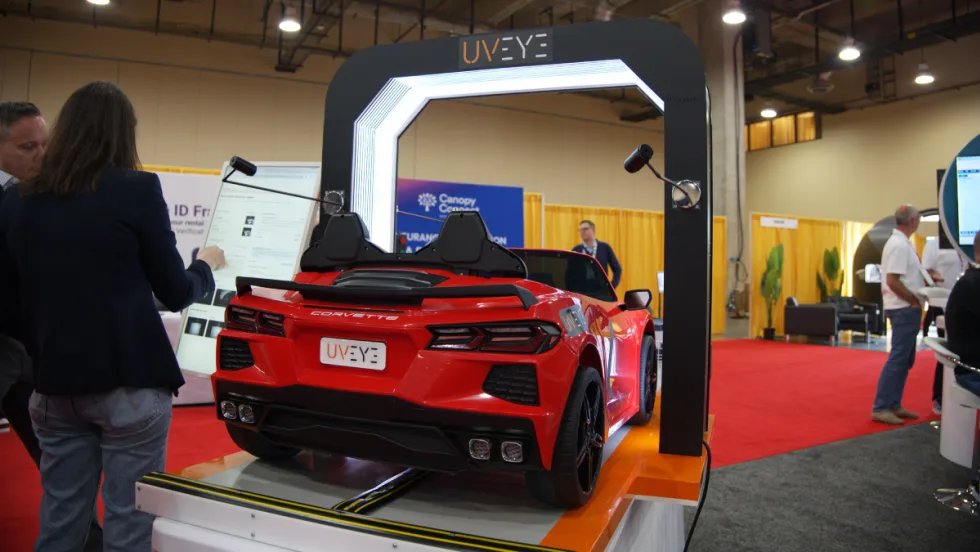
AI Can Supply The Damage Data, But Operators Must Apply The Judgments
The rental car industry held its first open discussion about the most controversial issue of the past year. Here are some key lessons, takeaways, and viewpoints.
Read More →
ICRS 2026 Countered The AI Drama, Thanks To These Panelists
One of my favorite sessions laid out the AI techno-optimism available to rental car operators ready to adapt their services for the decades ahead.
Read More →
Why Is JFK’s Grandson Interested In Your Rental Fleets?
Car rental operations should follow consistent practices when applying AI to vehicle damage assessments.
Read More →
‘Zero Friction’ Is The New Buzz Phrase for ICRS
This year’s International Car Rental Show hits the hot buttons on industry change and challenges.
Read More →
Rental EV Adoption Requires Local, Targeted Approach
The EV frenzy of the last few years has disillusioned the motoring public about going all-electric. Now it’s time to meet the market where it’s at.
Read More →
Why Car Rental Operations Must Use AI To Gain More Renters
A race has started between generations embracing AI and companies willing to adapt it to their operations.
Read More →
Speed Overtakes Car Rental Industry Practices
Technology, data, and digital advances are combining to create a business climate full of information, impatience, and instant results.
Read More →