





Related Blog:Mobile Chargers A Good Fit For Electric Rentals
Rental EV Adoption Requires Local, Targeted Approach
The EV frenzy of the last few years has disillusioned the motoring public about going all-electric. Now it’s time to meet the market where it’s at.
March 6, 2026
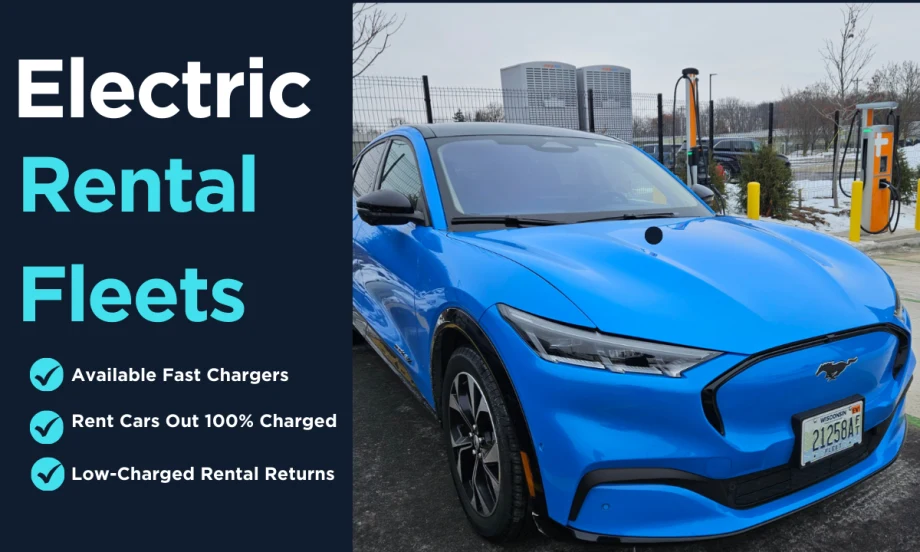
For fleets that park vehicles overnight at a business location, having infrastructure in place makes EVs highly viable.
Credit: Auto Rental News
4 min to read
- A strategic, localized approach is necessary for increasing rental EV adoption to resonate better with current market demands.
- Understanding regional needs and preferences is crucial in promoting and integrating rental EVs.
*Summarized by AI
No other fleet sector has faced as many challenges with electric vehicles as the car rental sector.
Whereas commercial, government, work truck, heavy-duty truck, school bus, public transit, police, ride-hail, and delivery fleets all can operate on predictable or controlled routes, rental fleets draw individuals from the driving public. They travel everywhere at any time.
That’s why the rental car industry has attracted the biggest headlines for EV-related problems, especially the EV pullbacks at Hertz and Avis. Car renters want security and reliability. They don’t want to experience range anxiety in unfamiliar places with uncertain charging scenarios.
Most rental fleet operators are avoiding EVs for now, since, in addition to renter resistance, they must also factor in higher purchase costs, limited charging capacity, and longer turnaround times.
Throw in the media stories about unprepared car renters trying to figure out EVs, and you’ll understand why rental operators and customers generally avoid them.
I recently recorded a video interview with a Wisconsin-based Avis-Budget operator who is succeeding with electric rental cars, which make up 3% of his fleet.
In hindsight, his story underscores how fleet electrification should have unfolded in recent years: Instead of the hectored, hurried approach of mandates, pressure, and incentives, electrification should be evolving one vehicle, local fleet, market area, and client base at a time.
Electric vehicles are not like seasonal coffees at Starbucks -- they are not suited to mass adoption across all outlets at once. Fleet operators should roll them out in customized steps suited to their individual path to profitability and based on their market analysis.
Had EVs been fleeted in such a flatter, decentralized environment, operations and manufacturers would have avoided over-optimistic investments and production. At the same time, pushy sweeping messages portrayed EVs as a foregone solution and urged consumers to electrify now.
I recently spoke with rental fleet operator Bill Wallschlaeger, the owner and President of Midwestern Wheels Inc. in Appleton, Wisconsin, an Avis and Budget franchise, who runs 40 EVs, which make up about 3% of his fleet. His profitability generally matches that of ICE rental cars. His insights evoke a more realistic approach to EV adoption:
The EV landscape is still evolving, and EV adoption will likely increase over time. But fleet operators must understand local trends and customer demand.
Research your EV fleet marketplace and ensure EVs are a good fit.
EVs accumulate miles more slowly because of usage and shorter trip distances.
As a result, EVs run longer in a fleet, which helps depreciation even out over time and align with comparable ICE vehicles.
EVs are not short-term hold vehicles due to higher upfront costs, but they have very low maintenance costs.
For fleets that park vehicles overnight at a business location, having infrastructure in place makes EVs highly viable.
Infrastructure requires significant upfront investment, but can be made available to public EV users to offset costs. DC fast chargers should be available to the public because they serve the community, drive traffic to your location, and create an additional revenue stream.
Contact your local utilities to explore pilot or grant programs that can offset infrastructure costs.
Choose EVs with at least 300 miles of range, since that appears to be the threshold for relieving range anxiety.
Local EV customers are generally knowledgeable about range and locating chargers. Midwestern Wheels has not encountered many customers stranded due to charging issues, but some returned EVs had low battery charge.
Rent out EVs with a 100% charge for peace of mind. Allow customers to return EVs without recharging for a small fee. Pre-qualify customers based on trip distance prevents service failures.
Many drivers who try EVs prefer not to return to ICE vehicles due to convenience, lower maintenance, no oil changes, and the ability to charge at home. Increased awareness helps people make informed decisions.
Notice his EV plan involves practical steps that meet car renters on their terms and minimize stress. The company also sees EVs as more of a local trip option than for long vacation journeys.
His points underscore the problem and solution of first-wave electrification for fleets and consumers:
A heavy-handed, hurried approach leads to confusion, controversy, and miscalculation.
The individual, local, and market-driven approach, with each manufacturer and commercial customer making their own decisions, is more likely to attract customers who are more willing and confident to try out the EV experience with a rental car.
Subscribe to Our Newsletter
More Blog Posts
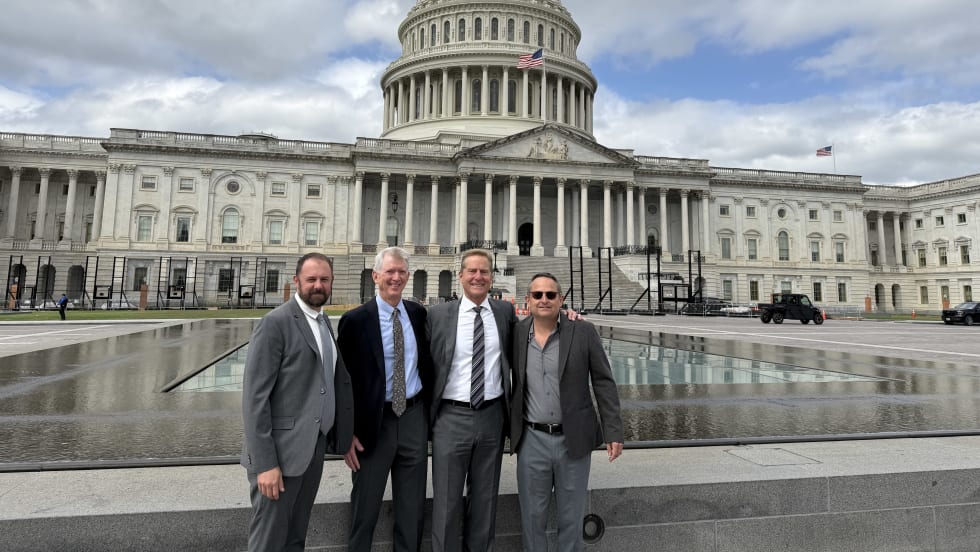
What Happens During a “Day on the Hill?”
Walking into a congressional office to discuss legislation certainly is outside the normal workday for most of us. But it’s a worthy, fun, and meaningful experience.
Read More →
What New Tariff Uncertainty Means for Rental Fleet Planning
Automakers won’t relocate production overnight, but uncertainty over Canadian tariffs could affect vehicle pricing, sourcing, and allocation well before the proposed Jan. 1 deadline.
Read More →
I'm Back
Life moves forward, as it inevitably does, but it sometimes seems to move in circles too. You end up in a different place, but you never close a door. Because you may walk back through it again.
Read More →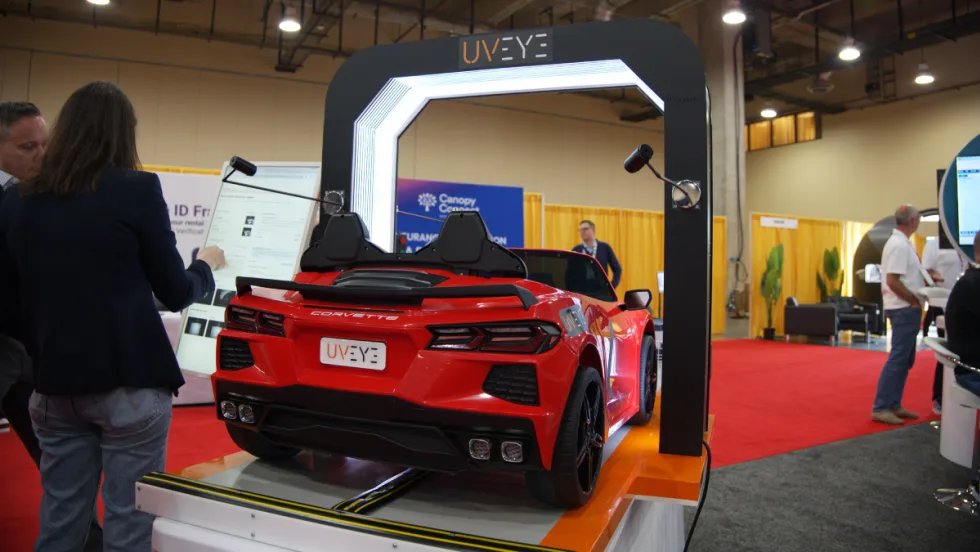
AI Can Supply The Damage Data, But Operators Must Apply The Judgments
The rental car industry held its first open discussion about the most controversial issue of the past year. Here are some key lessons, takeaways, and viewpoints.
Read More →
ICRS 2026 Countered The AI Drama, Thanks To These Panelists
One of my favorite sessions laid out the AI techno-optimism available to rental car operators ready to adapt their services for the decades ahead.
Read More →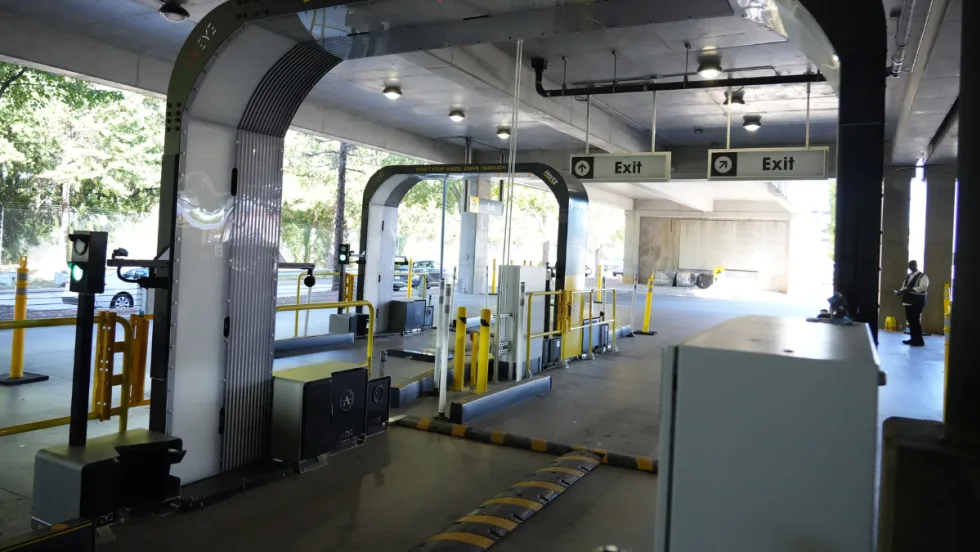
Why Is JFK’s Grandson Interested In Your Rental Fleets?
Car rental operations should follow consistent practices when applying AI to vehicle damage assessments.
Read More →
‘Zero Friction’ Is The New Buzz Phrase for ICRS
This year’s International Car Rental Show hits the hot buttons on industry change and challenges.
Read More →
Why Car Rental Operations Must Use AI To Gain More Renters
A race has started between generations embracing AI and companies willing to adapt it to their operations.
Read More →
Speed Overtakes Car Rental Industry Practices
Technology, data, and digital advances are combining to create a business climate full of information, impatience, and instant results.
Read More →
As Another Year Fades, A Future Industry Vision Crystallizes
Despite the battering of economic forces, the U.S. car rental industry appears fortified against even faster upheaval ahead.
Read More →