




‘Zero Friction’ Is The New Buzz Phrase for ICRS
This year’s International Car Rental Show hits the hot buttons on industry change and challenges.

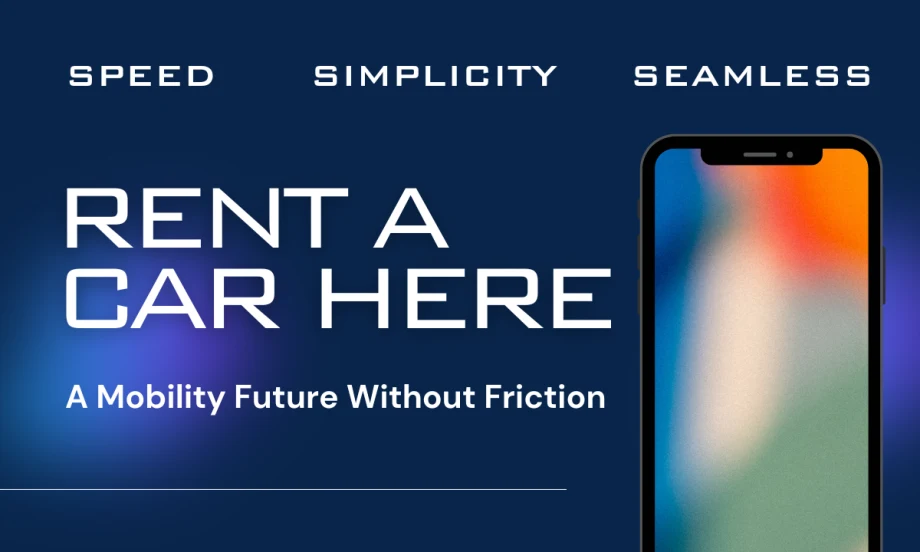
Technology can not only relieve customer burdens but also run rental operations and businesses more efficiently.
Credit: Auto Rental News
- "Zero Friction" emerges as a pivotal theme, indicating a shift in operational strategies.
- Industry stakeholders can use AI and digital tools to streamline experiences for car renters.
*Summarized by AI
As if conflicts over AI-based vehicle inspections weren’t causing enough drama for car rental companies.
As car renters fume over alleged damage charges billed using AI, we now hear about another spectacle: car rental rage. A recent article in The Seattle Times cites common counter-related frustrations that trigger car renters: long waits, aggressive upselling, bait-and-switch pricing, deep-cleaning fees, large security deposits, surveillance technology, and unfair damage charges.
It also spelled out a supposed sign of car renter range that I didn’t know about before: “You’re making car rental reservations you don’t intend to keep, out of spite.”
Now, it’s never helpful when an industry sustains rage incidents, no matter how infrequent or blown up by the media. The way to handle rage is to address the issues that spark it, though the ragers could easily express frustration with other travel experiences.
After all, if you’ve waited four hours to get through a TSA line to board a flight, flown crammed in economy class, and then waited 1-2 hours at your airport destination to rent a car, the counter employees will bear the brunt of the daylong ordeal.
Solutions That 'De-Frustrate' Car Renters
These episodes of rental rage remind us that in a culture of impatience and instant results, technology can not only relieve customer burdens but also run rental operations and businesses more efficiently.
One of the main topics at the upcoming International Car Rental Show will be the zero-friction concept for car rental operations. I’ll be hosting a session on May 14, "Zero Friction: Rethinking Car Rental for the No-Wait Generation." AI is critical to this business model because it’s a smart, data-driven structure.
In one example, South Korean rental car company Orcar runs a service that appeals to many younger travelers who prefer to bypass the traditional routes to renting a car. The system includes kiosks, apps, and online tools to speed up the rental car process and document transactions on the backend of a rental fleet operation.

The car rental industry has related opportunities to upgrade car rental services, such as autonomous curbside delivery of rental vehicles and concierges who can greet arriving passengers
Credit: Blacklane
Rental Car Reform Ready To Roll
Among the themes, points, and solutions, my session panelists will cover:
Despite vast technological advances, the car rental industry has focused on improving internal operations, such as fleet management, pricing, and maintenance.
From a customer’s perspective, it’s the same experience: Wait in line, present ID, sign paperwork, haggle over insurance and add-ons, and pull luggage out to the shuttle bus and/or parking lot to find your rental car. This disconnect is hurting the industry’s reputation.
Millennials are already using apps, Gen Z wants instant, digital-first-and-only service and interactions, and Gen Alpha will want instant digital detection and recognition for seamless flow-through.
The motto for future car rental is speed, simplicity, and seamless experiences, the three pillars of modern travel and mobility. Related travel sectors provide some models on how car rental can proceed:
Airlines now use technology to anticipate traveler needs and remove obstacles before they appear: Fully automated and accessible digital boarding passes, mobile airline apps with full menus for all airline-related services, continuous text updates and reminders for departures, delays, and gate changes, pass through security with facial recognition, and scannable access to airline lounges.
Meanwhile, hotels have dispensed with traditional front desk check-ins and use mobile keys, self-service kiosks, and personalized room settings. Many hotel systems can adjust lighting, temperature, and amenities based on guest preferences. The result is a personalized stay that begins before the guest arrives.
Creative Luxury Inspirations for Car Rental
With Uber’s acquisition of Blacklane in the luxury chauffeured transportation sector, we are seeing premium services resonate with more travelers. The same is happening with airlines, which are reconfiguring cabin layouts to add tiers of premium and business-class seats by removing economy seats.
Likewise, the car rental industry has related opportunities to upgrade car rental services, such as autonomous curbside delivery of rental vehicles and concierges who can greet arriving passengers, help them gather their luggage, and send them on their way. No counters, shuttles, or parking lots.
Digital information and AI access can speed up the driver verification process, thereby saving customers time and reducing liability risks for car rental providers. The interconnections to driving and vehicle-related databases will only expand in the coming years.
AI will increasingly empower a wide range of creative layers in service arrangements and offerings, and its data collection will personalize each customer’s experience while streamlining it.
Uber reminds us of how easy mobility can be. Rental car operators, take note, and attend the sessions at ICRS.
When was the last time you stood at an Uber counter?
More Blog Posts

What Happens During a “Day on the Hill?”
Walking into a congressional office to discuss legislation certainly is outside the normal workday for most of us. But it’s a worthy, fun, and meaningful experience.
Read More →
What New Tariff Uncertainty Means for Rental Fleet Planning
Automakers won’t relocate production overnight, but uncertainty over Canadian tariffs could affect vehicle pricing, sourcing, and allocation well before the proposed Jan. 1 deadline.
Read More →
I'm Back
Life moves forward, as it inevitably does, but it sometimes seems to move in circles too. You end up in a different place, but you never close a door. Because you may walk back through it again.
Read More →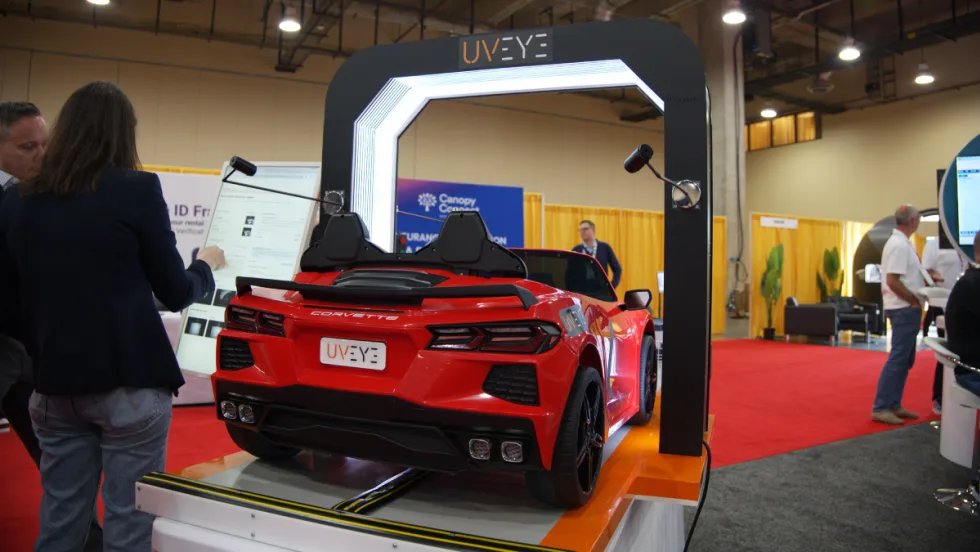
AI Can Supply The Damage Data, But Operators Must Apply The Judgments
The rental car industry held its first open discussion about the most controversial issue of the past year. Here are some key lessons, takeaways, and viewpoints.
Read More →
ICRS 2026 Countered The AI Drama, Thanks To These Panelists
One of my favorite sessions laid out the AI techno-optimism available to rental car operators ready to adapt their services for the decades ahead.
Read More →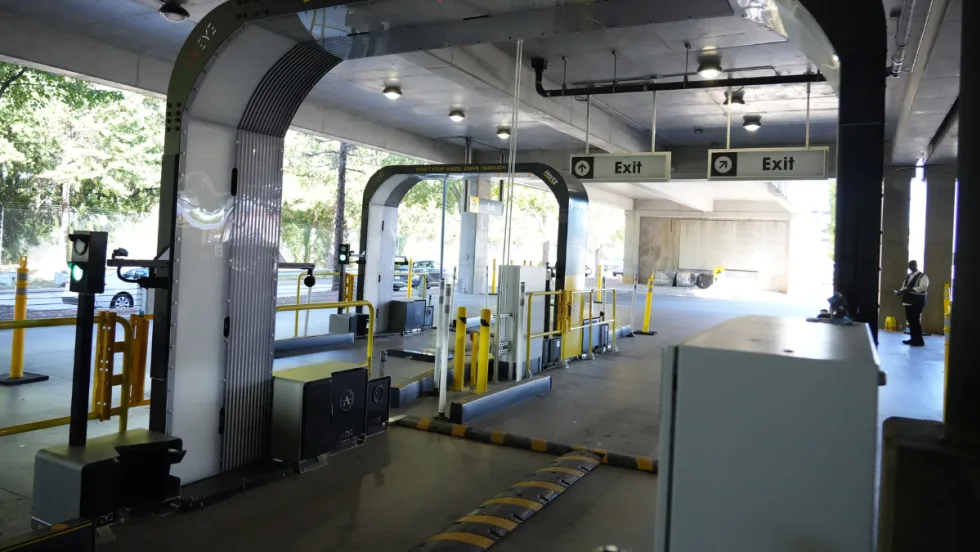
Why Is JFK’s Grandson Interested In Your Rental Fleets?
Car rental operations should follow consistent practices when applying AI to vehicle damage assessments.
Read More →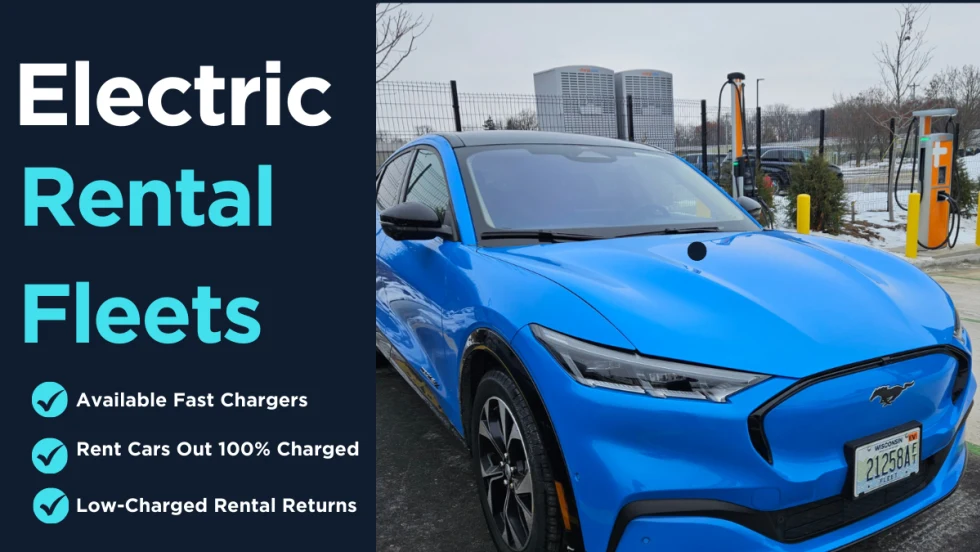
Rental EV Adoption Requires Local, Targeted Approach
The EV frenzy of the last few years has disillusioned the motoring public about going all-electric. Now it’s time to meet the market where it’s at.
Read More →
Why Car Rental Operations Must Use AI To Gain More Renters
A race has started between generations embracing AI and companies willing to adapt it to their operations.
Read More →
Speed Overtakes Car Rental Industry Practices
Technology, data, and digital advances are combining to create a business climate full of information, impatience, and instant results.
Read More →
As Another Year Fades, A Future Industry Vision Crystallizes
Despite the battering of economic forces, the U.S. car rental industry appears fortified against even faster upheaval ahead.
Read More →