




Why Is JFK’s Grandson Interested In Your Rental Fleets?
Car rental operations should follow consistent practices when applying AI to vehicle damage assessments.

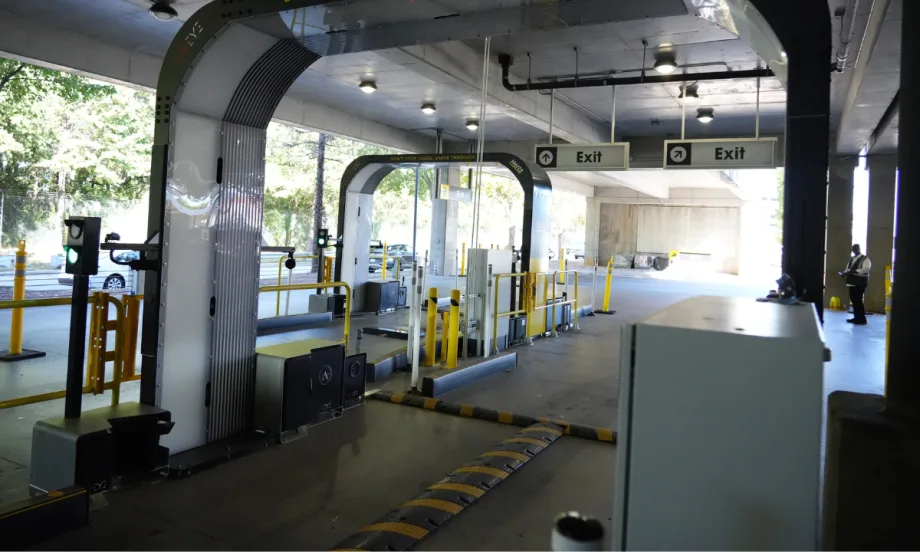
Hertz has been using AI-driven rental car damage scanners that have triggered disputes with car renters.
Credit: Hertz
The hot topic at the upcoming International Car Rental Show stems from a year-long media firestorm that tends to suck up far too much attention but also generates mischief that can’t be ignored.
I’ve written before about car renters’ fury over perceived unfair damage assessments on returned rental cars. It’s an easy clickbait story for local media outlets, since it pitches the shopworn narrative of big guy rental car companies against little good guy car renters. These complaints have gone viral on social media and consumer ratings sites.
When politicians ride a media wave, watch out. The results are rarely good for businesses.
Hertz, and by extension the car rental industry, has drawn the rhetorical interest of Jack Schlossberg, the grandson of President John F. Kennedy, who is running in the Democratic primary for New York's 12th congressional district. He recently shot a video standing in front of a Hertz outlet, where he called on the Federal Trade Commission to investigate the company’s AI damage charges. He claims that Hertz bills customers for “microscopic damage invisible to the naked human eye.”
Last August, the U.S. House Oversight Subcommittee on Cybersecurity, Information Technology, and Government Innovation said it is seeking more information about Hertz’s use of AI-powered scanners to assess damage on rented vehicles, following media reports of renter complaints.
As political posturing, this issue is easy pickings, as it centers on consumer grievances in a relatable situation: Renting a car. Schlossberg won’t be the only opportunist to jump on this issue.
That’s why rental car operators and industry leaders should get out front and not let the negative publicity spur political action that often results in government oversight, rules, and costs.
ICRS Puts Damage ID In Prime Time
At the International Car Rental Show, one of our featured sessions is titled, “Technology & Tumbleweeds: Figuring Out Fair Vehicle Damage Detection Policies for Operators and Renters. Nick DiPrima, founder of Edgeball Strategies, will moderate insights from an all-star industry lineup, including Monty Merrill, CEO of GSP Transportation Inc.; Jeremy Martin, director of business development for Damage ID; Shawn Concannon, president of TSD; and Phil Spink. operations manager for a Sixt franchise and Tom Wood Automotive Group.
The gist of the session is, should rental car companies charge car renters for a scratch caused by a blowing tumbleweed?
The tongue-in-cheek question triggers more:
How can car rental operations find the right balance in fining car renters for legitimate damages, while avoiding fines for minor ones?
Would a reasonable standard recommend customers pay for serious damages, i.e., dings, dents, grooves, discolored patches, while rental companies cover surface smears, short minor scratches, and minor abrasions?
How accurate is AI technology, and what technological advances will make it foolproof?
Should rental agents recommend that all customers take a surround video of their car rental before leaving the lot, which can be compared to an AI scan during a return?
Is there an opportunity for operators to upsell car renters a discounted lower-tier insurance add-on package that covers minor markings and/or damage?
Should the rental car industry establish a recommended set of standards for AI damage-detection policies, set by industry leaders and company owners, and possibly coordinated by the American Car Rental Association?
Avoid The Government Schoolmarm
Rental fleet operators could improve their position by seriously considering a self-regulated, self-policed approach to avoid what would only be a worse solution from government regulators. Such a self-determined process would be transparent and even-handed.
If car-renter complaints are bundled and politicized, it could lead to government investigations, proposed legislation, hearings, class-action lawsuits, and related accusatory media coverage. In other words: A cluster-drama.
One constructive strategy in the near term would be to take the PR offensive and push back with facts, solutions, and customer-friendly results.
Outsmarting The Politicians
Despite all of Schlossberg’s media stirrings, he has so far failed to generate any action beyond campaigning on the issue.
Hertz has claimed it is reducing disputes and providing clarity, citing that 97% of scans don’t result in damage assessments. Hint: AI can be a consumer ally instead of an antagonist.
And the FTC told the Dallas Express in an April 15 report: “We do not ‘receive’ demands from political candidates and I am completely unfamiliar with anything that individual has ever said, nor do I have any desire to begin,” FTC director of public affairs Joseph Simonson said via email. “As per the actual issue at hand, we do not disclose the status or existence of any investigations.”
AI damage detection will only advance and spread throughout the industry.
Whether adoption is smooth and widely accepted will depend on how car rental operators communicate and promote their AI approach.
More Blog Posts
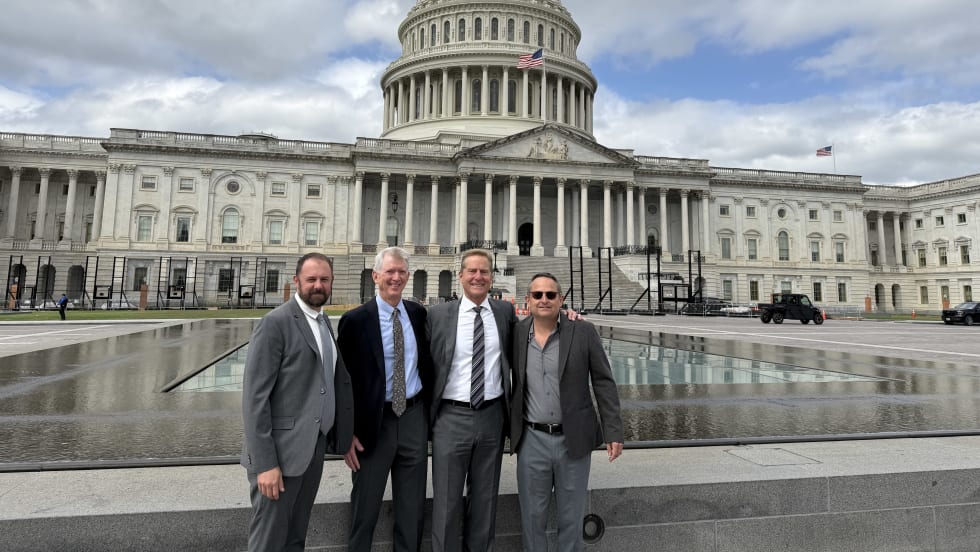
What Happens During a “Day on the Hill?”
Walking into a congressional office to discuss legislation certainly is outside the normal workday for most of us. But it’s a worthy, fun, and meaningful experience.
Read More →
What New Tariff Uncertainty Means for Rental Fleet Planning
Automakers won’t relocate production overnight, but uncertainty over Canadian tariffs could affect vehicle pricing, sourcing, and allocation well before the proposed Jan. 1 deadline.
Read More →
I'm Back
Life moves forward, as it inevitably does, but it sometimes seems to move in circles too. You end up in a different place, but you never close a door. Because you may walk back through it again.
Read More →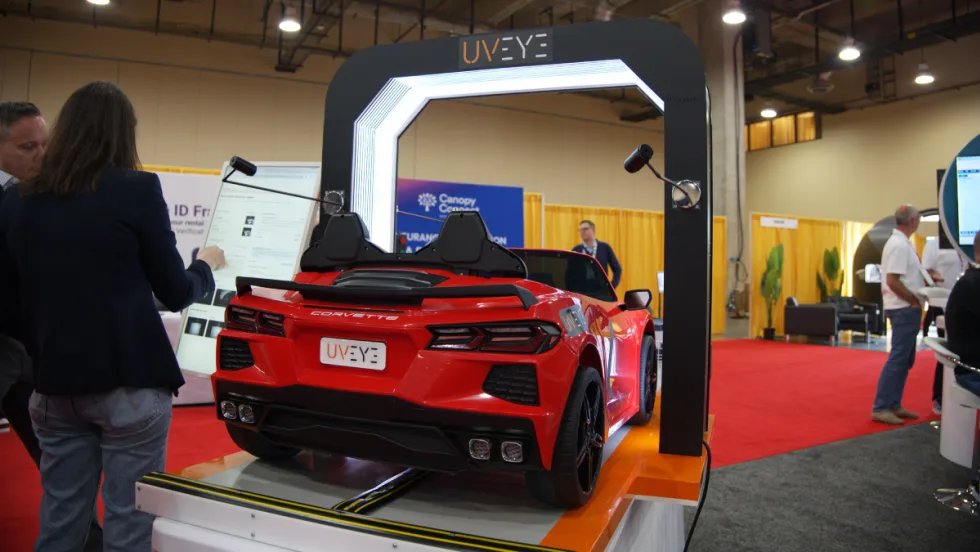
AI Can Supply The Damage Data, But Operators Must Apply The Judgments
The rental car industry held its first open discussion about the most controversial issue of the past year. Here are some key lessons, takeaways, and viewpoints.
Read More →
ICRS 2026 Countered The AI Drama, Thanks To These Panelists
One of my favorite sessions laid out the AI techno-optimism available to rental car operators ready to adapt their services for the decades ahead.
Read More →
‘Zero Friction’ Is The New Buzz Phrase for ICRS
This year’s International Car Rental Show hits the hot buttons on industry change and challenges.
Read More →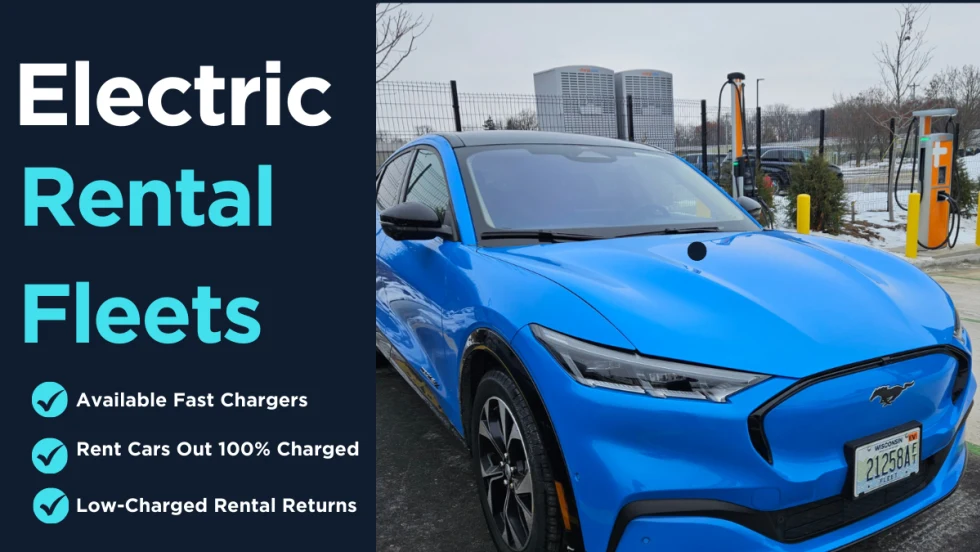
Rental EV Adoption Requires Local, Targeted Approach
The EV frenzy of the last few years has disillusioned the motoring public about going all-electric. Now it’s time to meet the market where it’s at.
Read More →
Why Car Rental Operations Must Use AI To Gain More Renters
A race has started between generations embracing AI and companies willing to adapt it to their operations.
Read More →
Speed Overtakes Car Rental Industry Practices
Technology, data, and digital advances are combining to create a business climate full of information, impatience, and instant results.
Read More →
As Another Year Fades, A Future Industry Vision Crystallizes
Despite the battering of economic forces, the U.S. car rental industry appears fortified against even faster upheaval ahead.
Read More →