



Finding A Middle Way On AI-Driven Rental Car Fees
The spate of media reports about car renters furious with AI-assessments creates bad will and poor PR images for the car rental industry.

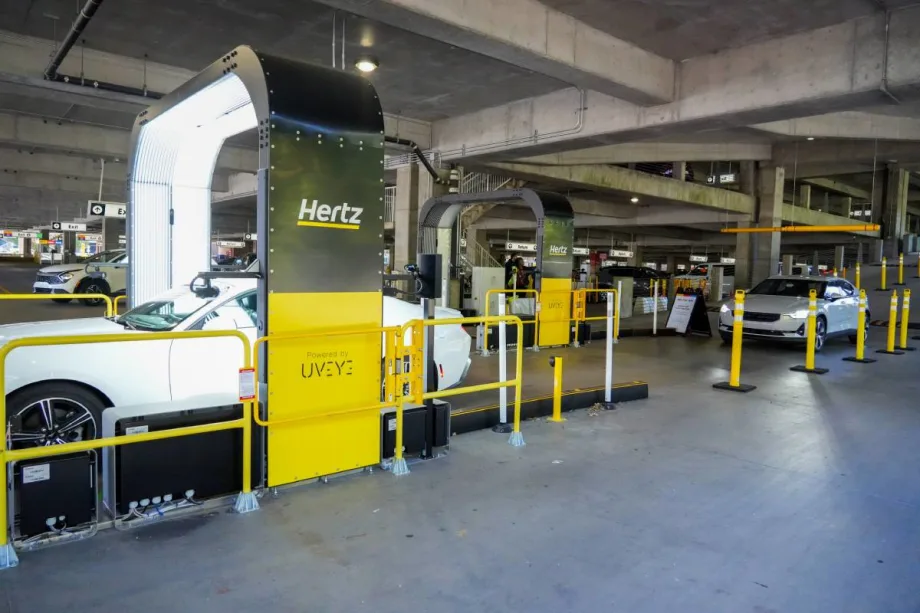
Hertz uses the AI-powered Uveye system for automated vehicle inspections at major U.S. airport locations, a program they began rolling out in April 2025. The technology scans vehicles for damage and maintenance issues upon pickup and return.
Photo: Hertz
- The controversies surrounding AI assessments harm the public relations image of rental companies.
- There's a need to find balanced solutions to address customer concerns and improve industry practices.
*Summarized by AI
By now, we've seen a recurring staple of consumer news: The angry car renter claiming a rental car agency ripped them off with bogus fees for scratches and dings they claim they never caused.
Rental car companies are using ever-advancing AI tools to quickly document before and after imaging in minute detail. The AI appears accurate, as it shows a scratch not recorded on the date the car left the lot.
Rental car companies view AI as a tool to help them recoup losses from repairing scratches, dings, and abrasions that are often missed by imperfect eyes or hasty employees trying to expedite rental returns.
For car renters, it’s a level of accountability and fault they’ve never experienced. Some allege false accusations and inflated fines.
The subsequent social media complaints, media tips, and “Yelping” tarnish the reputation of the car rental industry.
Escalating the situation, new AI app tools are emerging to empower the customers, billed as a way to avoid either contrived or inflated damage fees. These scanners can rapidly document and organize photos into types and segments while generating reports. No more fishing through iPhone photo files.
This development spurs even more tension between rental car operators and customers; will each hold up electronic devices, arguing over evidence or lack thereof?
I refer to this as an emerging AI techno-standoff: Two warring, highly motivated segments deploy AI to act, react, and counteract.
The most notable AI standoff involves HR departments using AI to screen and qualify resumes with pre-selected words, phrases, signals, algorithms, and/or hidden formulas. In response, many frustrated job applicants are deploying AI to inundate employers with quickly customized resumes and AI-generated cover letters.
For HR departments, AI spares them the cost of human screeners. For ghosted applicants, AI saves time. Both sides end up peeved.
With AI tools in the hands of car rental customers and companies, this dynamic will soon play out in the car rental industry.
The broader picture here that AI cannot capture is AI's intangible long-term effects on reputation, goodwill, and customer loyalty between rental car companies and car renters. Resentment and anger are not conducive to business.
Businesses and consumers are ultimately rational spenders. They act out of self-interest.
The cord-cutting now decimating cable TV provides one example. For years, cable TV providers raised rates and levied add-on fees on customers. When streaming and web- and cloud-based programming options emerged, customers started cutting the cords for cheaper access.
As technology creates opportunities, it also destroys established ones. And customers remember bad experiences more than good ones.
For the rental car industry, this means that an absolutist approach to AI damage charges will drive car renters to other forms of mobility and transportation such as car shares, ridehail TNCs, taxicabs, trains, trams, subways, car and limo services, and motorcoach line-runs. These competitors may see opportunities to capture the car rental business by offering scratchless, hassle-free alternatives.
If AI apps can provide checks against rental cars, why couldn't AI figure out convenient transportation plans to avoid rental vehicles, coordinating the schedules, reservations, and costs of alternatives in real-time?
Amid such technology disruption and emerging competitors, rental fleet operations need to find the proper balances and a commonsense approach when applying AI tools to vehicle damage.
I recently spoke to operators at a car rental company in Southern California who shared the following tips in devising a consistent policy on assessing customer responsibility:
Don’t take AI findings as 100% gospel and pass them through to the customer without a human audit or screener.
Make a priority not to overcharge the customer.
Keep an accurate log of previous and new damages.
Give car renters a copy of the vehicle inspection before they leave the lot.
Don't charge customers for any scratches below an inch. Or create a benchmark that defines and eliminates minor scratches from customer responsibility.
In situations where the car renter is responsible for the scratch, charge for the repair cost only. Do not levy additional charges such as a service estimation fee.
Consider using Mitchell and MOTOR as a guide for repair costs. The company is a leading provider of standardized data and software used by body shops to estimate and execute repairs.
The only way AI will work for rental companies is through a customized, affordable solution or a hybrid approach that only charges customers for damages that exceed defined and disclosed thresholds.
Rental car operators should also consider the gray areas of fault: What if a car renter pulls alongside a landscaped parking lot median or edge with prickly shrubbery that scratches the car? Or parks next to a vehicle whose driver causes a door ding? What if a tumbleweed or runaway tree branch brushes against the car on a windy day?
In the minds of car renters, such instances are not their fault.
Beyond these technical approaches and questions, I propose a few broader solutions that could both dilute the friction and generate opportunities:
Cover minor damages for free: Remember the Southwest Airlines ad, "Bags Fly Free?" How about a marketing slogan, "Scratches On Us?” The cost of covering those damages can be incrementally worked into daily or weekly rates in hardly noticeable amounts.
Offer incentives for clean inspections: Award points or credits for future rentals to car renters who return their vehicles without any scratches. Rebate a portion of the optional insurance add-ons for renters who paid for it.
A mini-insurance option covering scratches: Just as many rental car operations offer customers the option to pre-buy a full tank of gas and return the car near empty, what about an insurance tier that covers minor scratches, dings, and abrasions? “For just $5 per day, you can forget about scratches.”
Upsell your complete insurance packages: While adding a rental company's full insurance coverage can raise the overall rate, it does buy peace of mind. My wife and I often take on full coverage when renting a car for a vacation. We enjoy a more worry-free experience knowing that the uncontrollable actions of others won't cost us or inconvenience us by filing a claim with our auto insurance company to cover any accidents or damage. Many car rental insurance policies also cover loss of use of the car, while a customer's personal auto insurer may not.
For car rental operations to avoid the growing unfavorable publicity of AI charges, they need to steer their promotional messaging to ease, comfort, convenience, and meaningful customer experiences.
Take control of AI and make it work for you and your customers. Fairness can alleviate the customer furies AI inspections generate. Reputation, returning customers, and revenues depend on it.
More Blog Posts
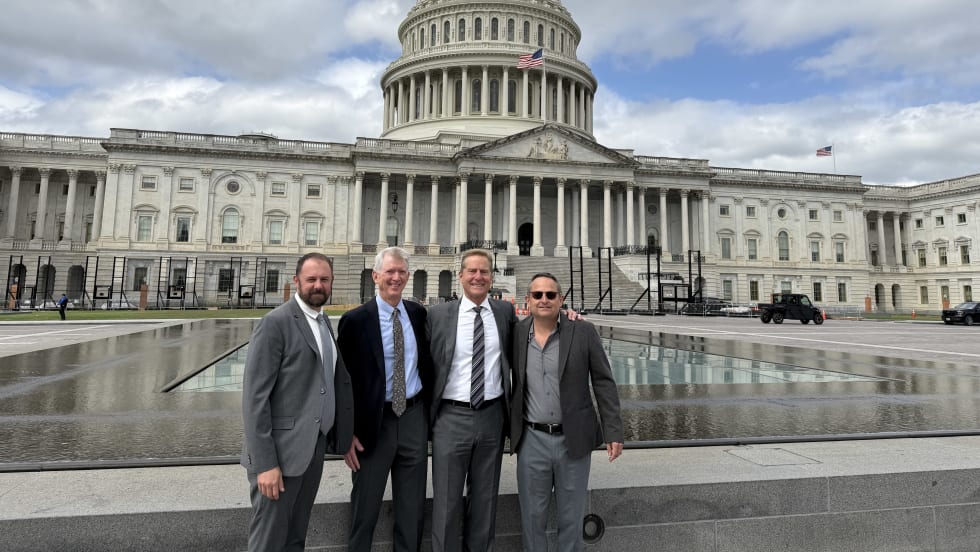
What Happens During a “Day on the Hill?”
Walking into a congressional office to discuss legislation certainly is outside the normal workday for most of us. But it’s a worthy, fun, and meaningful experience.
Read More →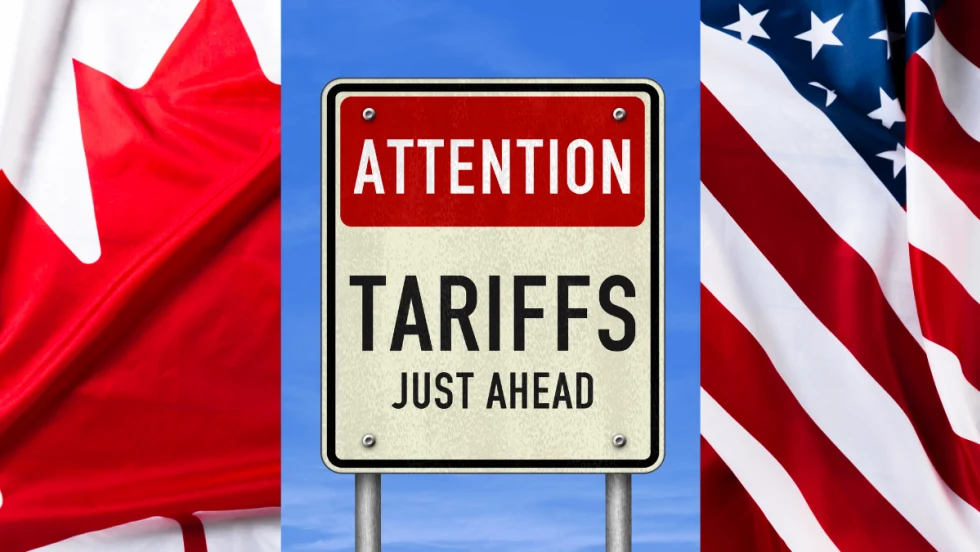
What New Tariff Uncertainty Means for Rental Fleet Planning
Automakers won’t relocate production overnight, but uncertainty over Canadian tariffs could affect vehicle pricing, sourcing, and allocation well before the proposed Jan. 1 deadline.
Read More →
I'm Back
Life moves forward, as it inevitably does, but it sometimes seems to move in circles too. You end up in a different place, but you never close a door. Because you may walk back through it again.
Read More →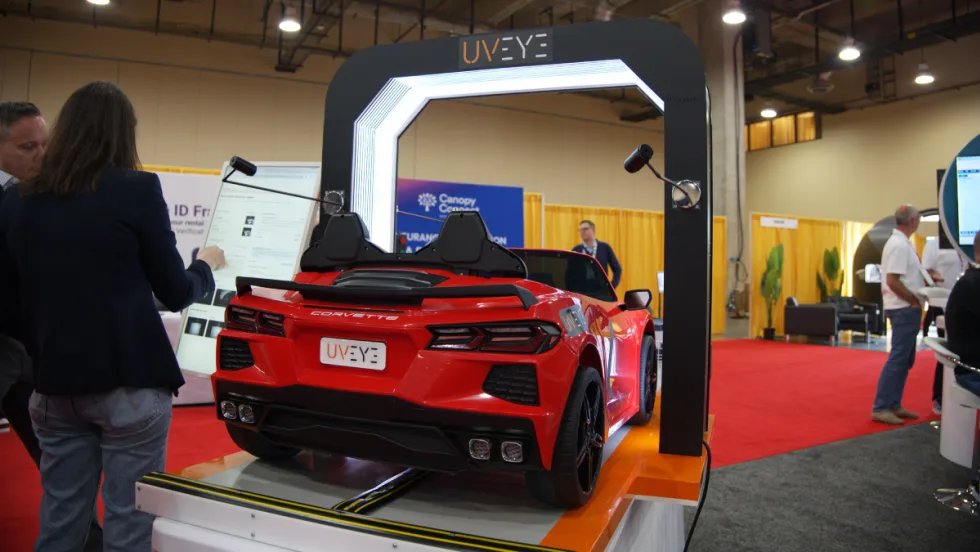
AI Can Supply The Damage Data, But Operators Must Apply The Judgments
The rental car industry held its first open discussion about the most controversial issue of the past year. Here are some key lessons, takeaways, and viewpoints.
Read More →
ICRS 2026 Countered The AI Drama, Thanks To These Panelists
One of my favorite sessions laid out the AI techno-optimism available to rental car operators ready to adapt their services for the decades ahead.
Read More →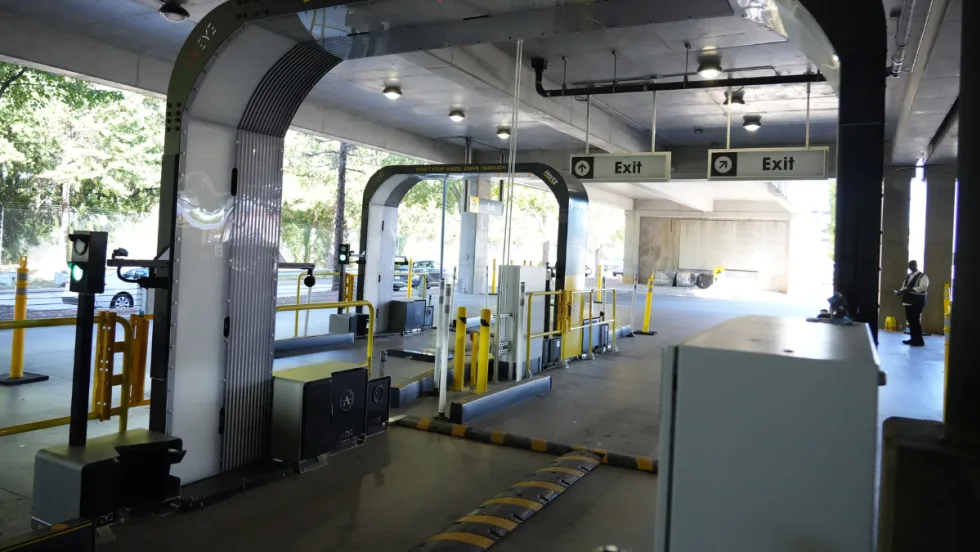
Why Is JFK’s Grandson Interested In Your Rental Fleets?
Car rental operations should follow consistent practices when applying AI to vehicle damage assessments.
Read More →
‘Zero Friction’ Is The New Buzz Phrase for ICRS
This year’s International Car Rental Show hits the hot buttons on industry change and challenges.
Read More →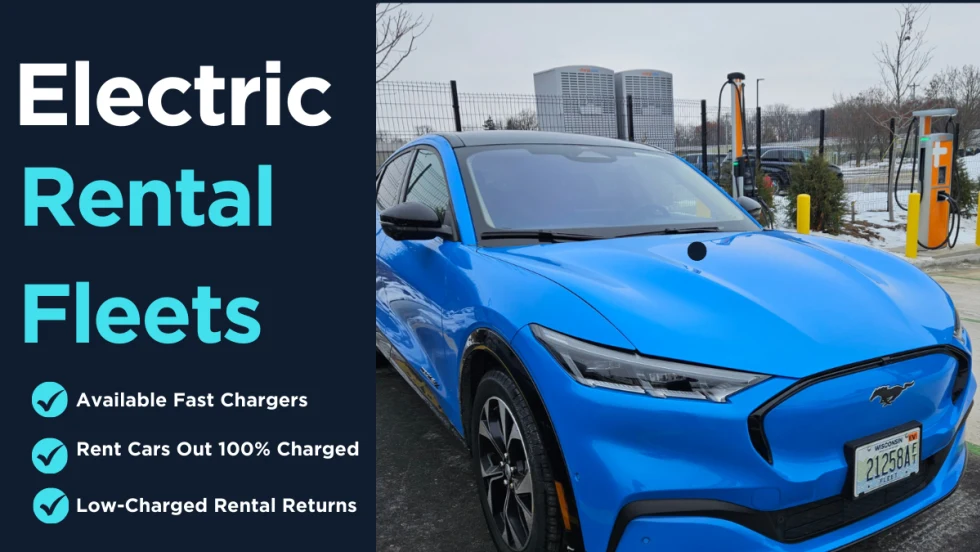
Rental EV Adoption Requires Local, Targeted Approach
The EV frenzy of the last few years has disillusioned the motoring public about going all-electric. Now it’s time to meet the market where it’s at.
Read More →
Why Car Rental Operations Must Use AI To Gain More Renters
A race has started between generations embracing AI and companies willing to adapt it to their operations.
Read More →
Speed Overtakes Car Rental Industry Practices
Technology, data, and digital advances are combining to create a business climate full of information, impatience, and instant results.
Read More →