




ICRS Experience Day 4: Weathering the Proverbial and Actual Storms
This day’s seminars offered advice on how to deal with lenders in a crisis, which COVID-19 claims to look out for, new business to source arising after the pandemic, and how to prepare for the increasing number of weather events in the U.S.


This day started with a conversation between Kurt Browning, president of the Auto Truck and Specialty Vehicle Fleet division at 1st Source Bank and Rick Eddy, former VP of operations for Budget San Diego.
[EMPTY CREDIT]
We’re rounding the bend to the end. Here’s a very brief recap of Thursday’s seminars. Remember, you can still register to watch them on demand.
This day started with a conversation between Kirk Browning, president of the Auto Truck and Specialty Vehicle Fleet division at 1st Source Bank and Rick Eddy, former VP of operations for Budget San Diego.
From his viewpoint as a lender, Browning was impressed with his clients’ behavior to deal with the pandemic. “The operators that I’ve seen, both franchise and the independents, have done a fabulous job in reacting to the pandemic by de-fleeting where they could, but also making a huge effort to reduce expenses and buckle down,” he said.
Browning referenced the positive sign that TSA processed a million travelers in the U.S. on one day last week, which hadn’t happened since March 16.
Both Browning and Eddy made the point that communication with lenders is even more critical in these times of economic shock. “(The lenders) know everybody's struggling; they know what's going on in the industry, that you can't run and hide from it,” Eddy said.
Lenders know that revenues are down — but it’s how operators are reacting to market conditions that counts, Browning said. 1st Source circulated a questionnaire during the pandemic specifically looking to understand which operators applied for PPP, if they reduced staff, and whether they were able to secure rent abatements from landlords, among other things.
“Communicate with your lenders on the good, bad, and ugly,” he said. “If we know what the problems are, we can be part of the solution. But we can only help people who are willing to be helped.”
In the second general session, attorneys Leslie Pujo of Plave Koch and Wes Hurst of Polsinelli delivered a virtual examination of the legal landscape during the pandemic.
The COVID-19 claims are starting to flourish, Hurst said, though the ones concerning contracting the virus itself have mostly focused on cruise ships. The majority of claims to date have been based on failure to meet contract obligations (a wedding that was cancelled, for instance), insurance claims regarding coverage for business interruption, and class actions against colleges for not reducing tuition on the basis that virtual learning is inferior to the in-person college experience.
While still theoretical — but more directly relating to car rental — are potential COVID-19 exposure claims that may be asserted by a customer that contracts the virus at a place of business.
The core allegation would be that a customer contracting or exposed to COVID-19 at a place of business would assert that the business owner, who has a duty to provide a safe environment, failed to provide and implement appropriate safeguards and procedures.
Second, a plaintiff might assert a claim based upon premises liability. Several states have statutes that impose obligations and liabilities on property owners and lessees for injuries that occur on their property. These claims similarly look to whether the property owner exercised appropriate care in keeping the property safe.
Third, a plaintiff's lawyer may proffer a misrepresentation theory, in that a business owner who promotes a clean or safe environment for its business is making misleading or false advertising. Hurst noted that misrepresentation claims often require proof that the business operator knew a statement was false at the time or was reckless with respect to that.
Hurst turned to whether a business can eliminate or reduce risk by requiring customers to agree to a COVID-19 liability waiver. “The application enforceability of liability waivers has not yet been tested for COVID-based claims,” he said.
There are general guidelines with respect to waivers to consider when drafting and using waivers, though he noted that some states may not enforce liability waivers. “Make sure your language is simple and straightforward, clear and unambiguous,” he said.
Transportation guru Matt Daus of Windels, Marx opened his concurrent session with a look at the ride-hailing independent contractor situation in California. The state will soon vote on Proposition 22, which overturns a 2019 law that requires dozens of industries to classify their workers as employees instead of independent contractors and provide them with job protections.
Prop 22 is funded by Uber and Lyft, which put an unprecedented $180 million into their campaign. Daus said the well-funded propositions usually win, but this one will be close. Uber has threatened to pull out of California if it loses, which Daus thinks is an empty threat.
Whether the proposition passes or not, Daus believes that state legislatures, including New York, New Jersey, and Seattle, Wash. considering similar measures, could find a middle ground that allows workers to stay as independent contractors yet receive some benefits and receive a living wage.
Turning to vehicle rentals, Daus said the pandemic has presented openings for rental companies looking to new business. Daus sees particular green fields with business-to-business and commercial rentals.
For ride hailing, Avis, Hertz, and independents such as Fast Track Mobility and Buggy have created rental programs that are very friendly for TNC (transportation network company) drivers. The key is to not only provide the car, but figure out the insurance and regulatory components.
“There's a potential here for (rental) companies to make the pitch to Uber and Lyft or directly to drivers that if we own the car, we have the Graves amendment, and we can reduce the risks and the costs of operation,” he said. “This won’t happen as much on the leasing or financing side, it’s going to be more on the rental side.”
Daus also believes that governments will want to go asset light, which will play into car rental’s hands. Another opportunity is with electric vehicle rentals, whose time has come, Daus said. The best place to look for business will be where the need is, particularly in cities that are looking to implement carbon-free zones such as Santa Monica, Calif.
The other concurrent seminar, “Weather the Storm — How to Strengthen Your Natural Catastrophe Plan,” was presented by Zurich’s Nathan Hickson, Brent Baxter, and Daryl Allegree.
The panel presented some sobering statistics: The World Economic Forum Global Risk Report ranks extreme weather events as the number one global risk in terms of likelihood, and second in terms of impact. Each year in the U.S. climate events cause an average of about 650 deaths and $15 billion in damage. About one third of the U.S. economy, some $3 trillion, is sensitive to weather and climate.
A few facts from FEMA: 40% to 60% of businesses never reopen following a disaster, while 90% of small companies fail within a year of the event unless they open back operations within five days.
The panelists provided an action plan for car rental operations in the event of a severe weather event. They noted that some Zurich policies cover limited expenses to move fleet vehicles out of harm’s way from an impending storm.
“In order to execute this plan, you must have a distant, yet easily accessible contingency location to move your vehicles to on a short notice,” Baxter said. “If you belong to a larger group with multiple locations, consider these as easy alternative sites should some space be available.”
Baxter recommended starting a file to save all receipts and invoices related emergency expenses for the adjuster to review, including keeping track of hourly employees’ labor and time.
There were many more excellent recommendations. Access the seminar online to review them yourself. That’s it for now, don’t forget to join us on Friday, our final day.
More Blog Posts
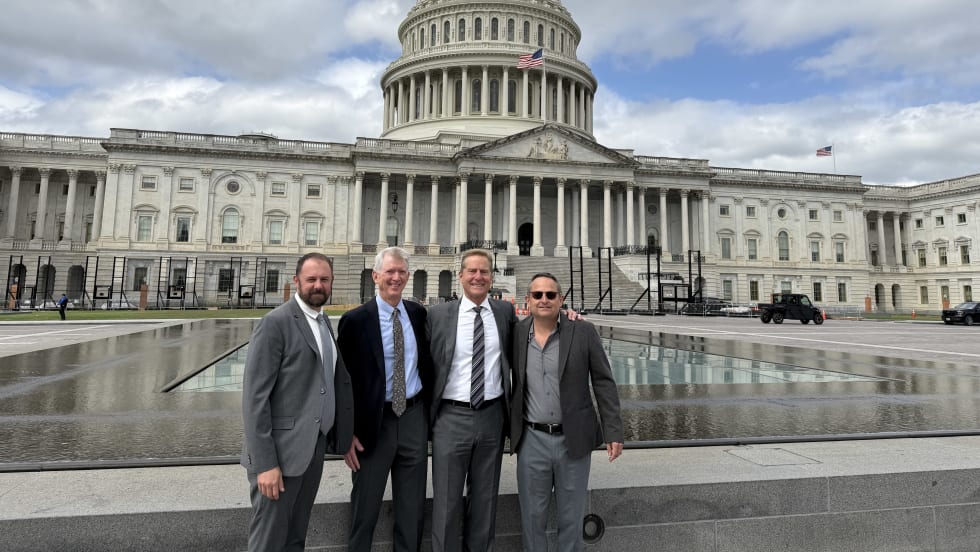
What Happens During a “Day on the Hill?”
Walking into a congressional office to discuss legislation certainly is outside the normal workday for most of us. But it’s a worthy, fun, and meaningful experience.
Read More →
What New Tariff Uncertainty Means for Rental Fleet Planning
Automakers won’t relocate production overnight, but uncertainty over Canadian tariffs could affect vehicle pricing, sourcing, and allocation well before the proposed Jan. 1 deadline.
Read More →
I'm Back
Life moves forward, as it inevitably does, but it sometimes seems to move in circles too. You end up in a different place, but you never close a door. Because you may walk back through it again.
Read More →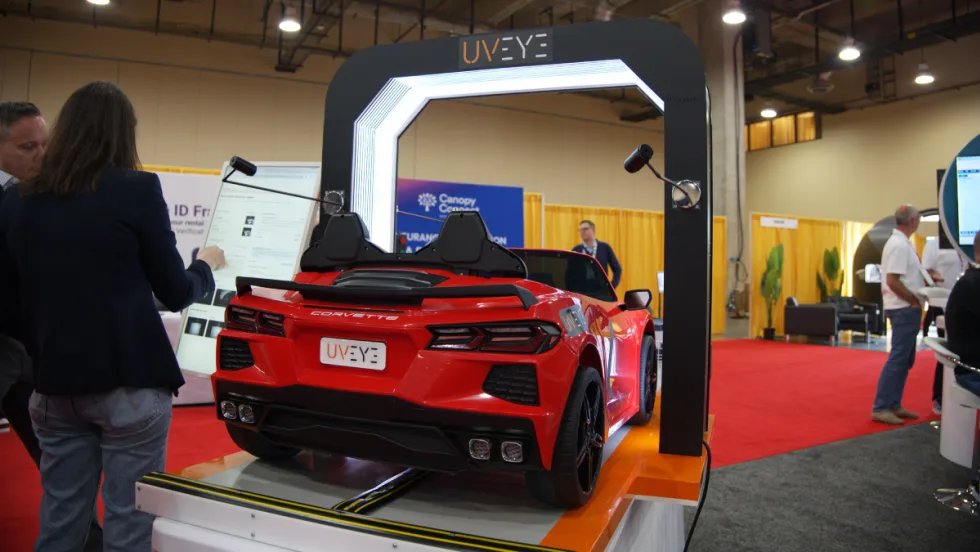
AI Can Supply The Damage Data, But Operators Must Apply The Judgments
The rental car industry held its first open discussion about the most controversial issue of the past year. Here are some key lessons, takeaways, and viewpoints.
Read More →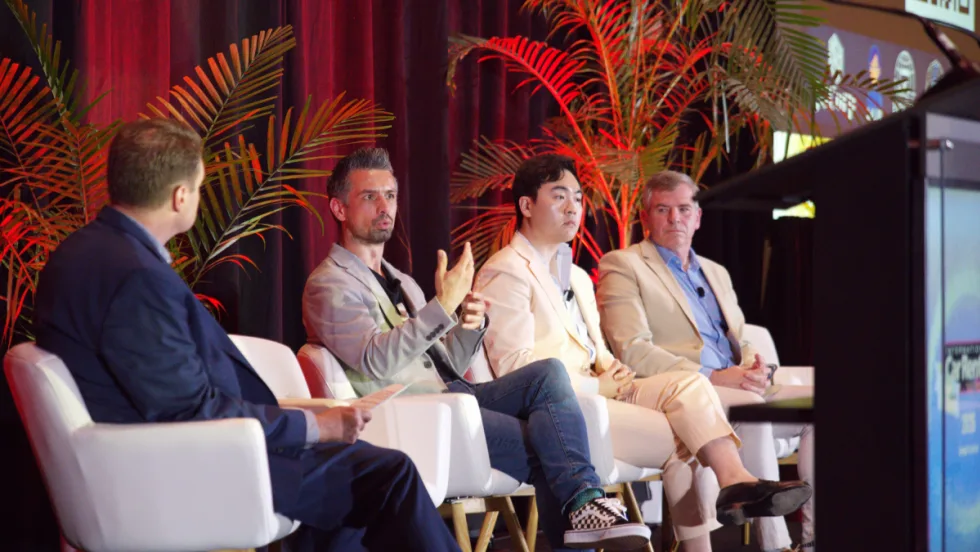
ICRS 2026 Countered The AI Drama, Thanks To These Panelists
One of my favorite sessions laid out the AI techno-optimism available to rental car operators ready to adapt their services for the decades ahead.
Read More →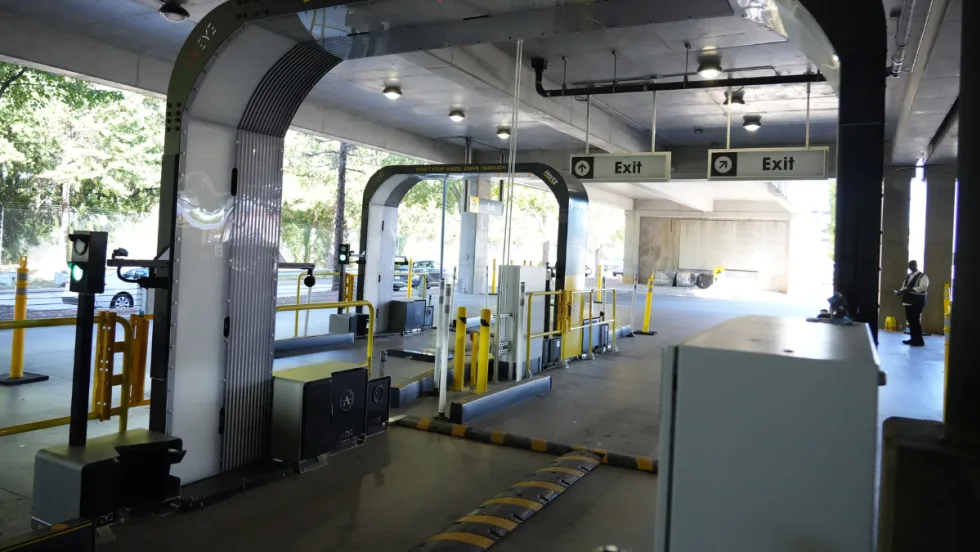
Why Is JFK’s Grandson Interested In Your Rental Fleets?
Car rental operations should follow consistent practices when applying AI to vehicle damage assessments.
Read More →
‘Zero Friction’ Is The New Buzz Phrase for ICRS
This year’s International Car Rental Show hits the hot buttons on industry change and challenges.
Read More →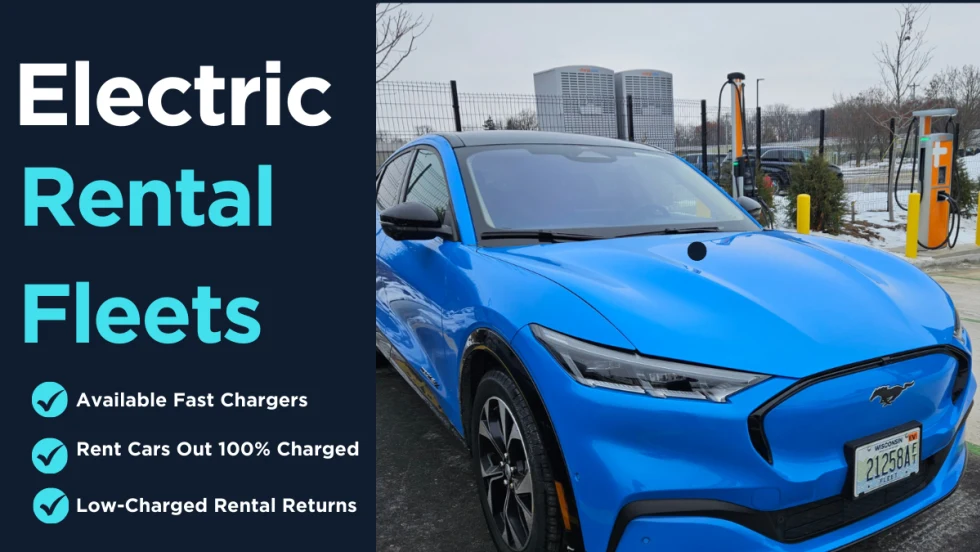
Rental EV Adoption Requires Local, Targeted Approach
The EV frenzy of the last few years has disillusioned the motoring public about going all-electric. Now it’s time to meet the market where it’s at.
Read More →
Why Car Rental Operations Must Use AI To Gain More Renters
A race has started between generations embracing AI and companies willing to adapt it to their operations.
Read More →
Speed Overtakes Car Rental Industry Practices
Technology, data, and digital advances are combining to create a business climate full of information, impatience, and instant results.
Read More →