




Two Themes Emerged from the 2019 International Car Rental Show
One, the method in which operators put renters into cars is becoming more fluid and varied; the second: “The days of 60% utilization are over.”


Networking is an essential part of the International Car Rental Show.
It’s becoming a ritual our Bobit events team comes to expect at the International Car Rental Show (ICRS) — checking into our onsite war room before the opening keynote to see the number of total registrations for this year’s show. I walked out of that room with a smile. Growing registrations for the third year in a row will do that to anyone.
Looking a little deeper, the registration growth was a healthy balance of car rental operators, both domestic and international, and the vendors looking to meet them. Perhaps contrary to conventional wisdom, we grew registrations from U.S.-based operators.
In 2015 we added the word “International” to the Car Rental Show as a nod to those traveling thousands of miles to attend. Indeed, 37 countries represented this year, from Slovenia, Suriname, and Saudi Arabia to South Korea, Israel, New Zealand, and Argentina. We had the greatest number of Canadian attendees in a long while.
Yet the percentage of foreign versus domestic registrations has not changed since 2015. In fact, 74% of attendees come from the U.S. This points to a healthy U.S. market, particularly considering the record $30 billion the U.S. car rental industry earned in 2018.
Amidst this good news, the car rental market is in transition, and the question marks regarding its future would overrun the Riddler’s green blazer. If the first mandate of ICRS is to help operators run their businesses better, the second is to help them understand these changes and assimilate them to foster sustainability.
On the second point, two themes emerged at this year’s show: One, the method in which operators put renters into cars is becoming more fluid and varied. The second, as mentioned in one seminar: “The days of 60% utilization are over.”
ICRS attendees were educated on peer-to-peer (P2P) rentals and those platforms’ hockey stick-like growth based on professional fleet owners — from individual entrepreneurs to car rental companies — supplying the platforms. The P2P seminar gave operators a roadmap to successfully utilizing these channels in low demand periods. The fees to put vehicles on these platforms are much lower than those paid to an OTA (online travel agency).
Subscription services may be the shiny new thing in automotive, even if the various players and plans are hunting for the right profit mix. The subscription services panel demonstrated that car rental is well suited to roll out programs, as car rental operators understand depreciation and daily transactions as good or better than any entity.
Insurance, customer acquisition, and contract renewals are issues to solve when starting a program, but it’s not reinventing the car rental model — only extending daily rentals into a longer time frame. Ask Solomon Cramer, a Budget licensee: He surrendered his high-stress airport location to concentrate on his subscription business, which now earns 75% of overall revenues.
We welcomed a delegation of operators from South Korea who told me that 40% of their business is derived from long-term rentals, from six months to two years. That’s close to 100% utilization of roughly 40% of their assets. Millennials don’t like commitment, we’re told. Why can’t U.S. operators cultivate extended rental lengths that fall between daily rentals and a typical consumer lease?
In another seminar, an attendee mentioned doing a financial analysis on starting his own carsharing company and the numbers didn’t pencil a net profit. I’m sure that’s correct, and the thought of going full carshare must scramble the brain of any traditional car rental operator.
Yet walking the exhibit hall, there were more tech solutions than ever to allow operators to automate the rental process without taking that giant leap into carsharing. If technology now allows for a renter to access a vehicle from a rental lot on a 24-hour clock, how much would the resulting 5% bump in utilization benefit the bottom line?
These discussions follow prevailing societal themes not specific to car rental but can’t be ignored by car rental. Whether you own a fleet or a table saw they’re probably underutilized, and technology can increase utilization and increase those assets’ revenue. Hence the “Airbnb of” campsites, music studios, parking lots, and yes, hot tubs.
The point was made various times that consumers are migrating from ownership to access. Looking further out, cars could be deployed to commuters between 7am and 9am, then as part of a corporate carsharing program during the day and made available to the public at night. This isn’t simple, but technology and big data will be used to figure out liability and redeploy assets as needed.
Certainly, the four-day leisure rental will remain a core part of car rental for years to come. But for the other stuff, car rental operators must pivot to play in these new markets.
Car rental has always been about personal mobility, ever since Walter Jacobs sold his business to John Hertz. These new trends of work in car rental’s favor — for the operators with the willingness to adapt.
More Blog Posts
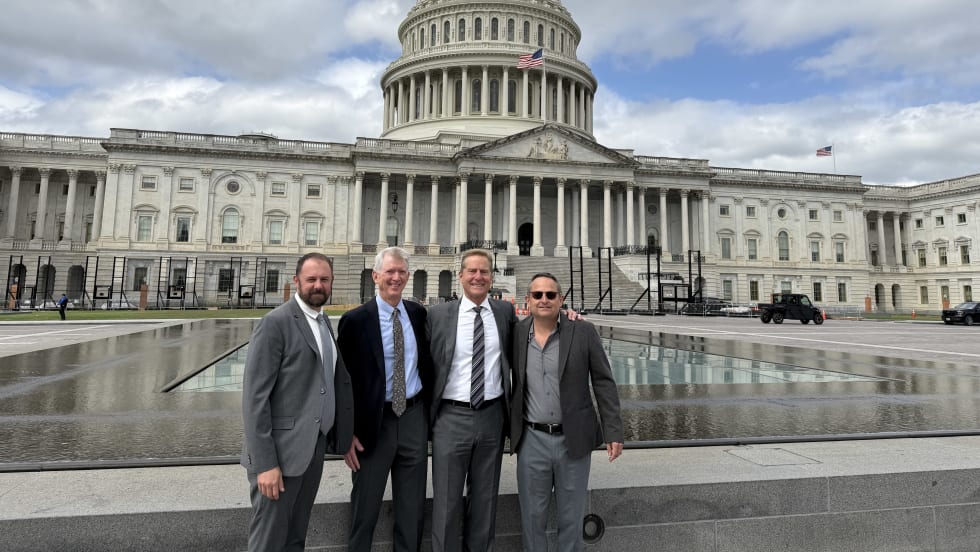
What Happens During a “Day on the Hill?”
Walking into a congressional office to discuss legislation certainly is outside the normal workday for most of us. But it’s a worthy, fun, and meaningful experience.
Read More →
What New Tariff Uncertainty Means for Rental Fleet Planning
Automakers won’t relocate production overnight, but uncertainty over Canadian tariffs could affect vehicle pricing, sourcing, and allocation well before the proposed Jan. 1 deadline.
Read More →
I'm Back
Life moves forward, as it inevitably does, but it sometimes seems to move in circles too. You end up in a different place, but you never close a door. Because you may walk back through it again.
Read More →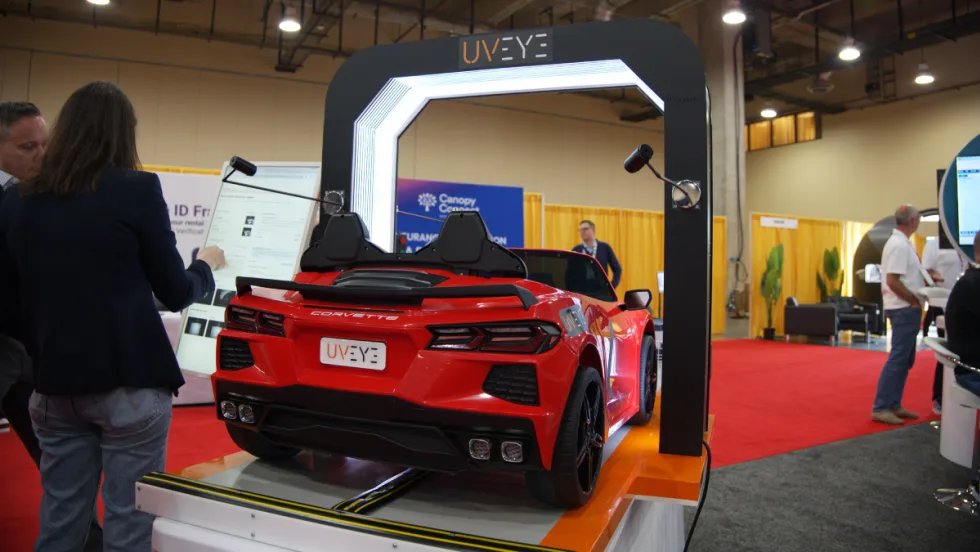
AI Can Supply The Damage Data, But Operators Must Apply The Judgments
The rental car industry held its first open discussion about the most controversial issue of the past year. Here are some key lessons, takeaways, and viewpoints.
Read More →
ICRS 2026 Countered The AI Drama, Thanks To These Panelists
One of my favorite sessions laid out the AI techno-optimism available to rental car operators ready to adapt their services for the decades ahead.
Read More →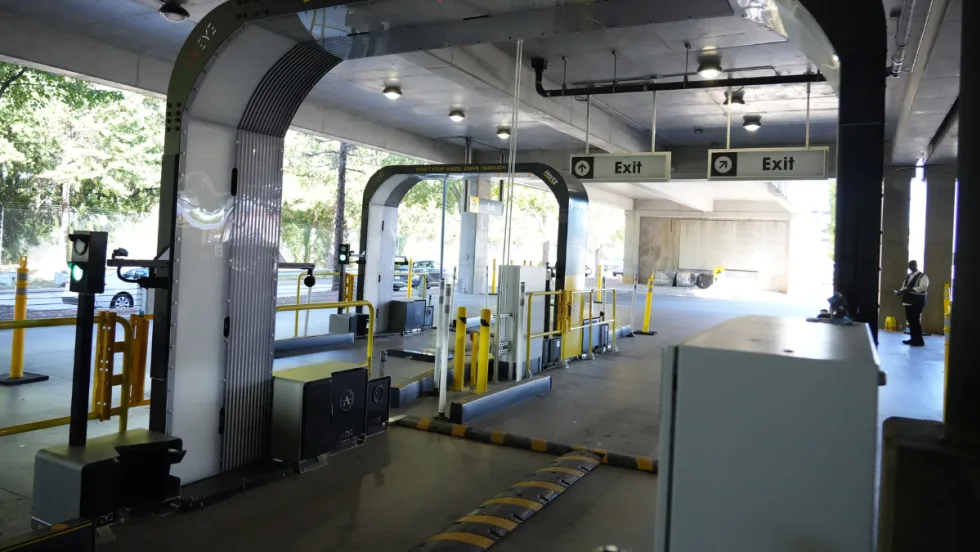
Why Is JFK’s Grandson Interested In Your Rental Fleets?
Car rental operations should follow consistent practices when applying AI to vehicle damage assessments.
Read More →
‘Zero Friction’ Is The New Buzz Phrase for ICRS
This year’s International Car Rental Show hits the hot buttons on industry change and challenges.
Read More →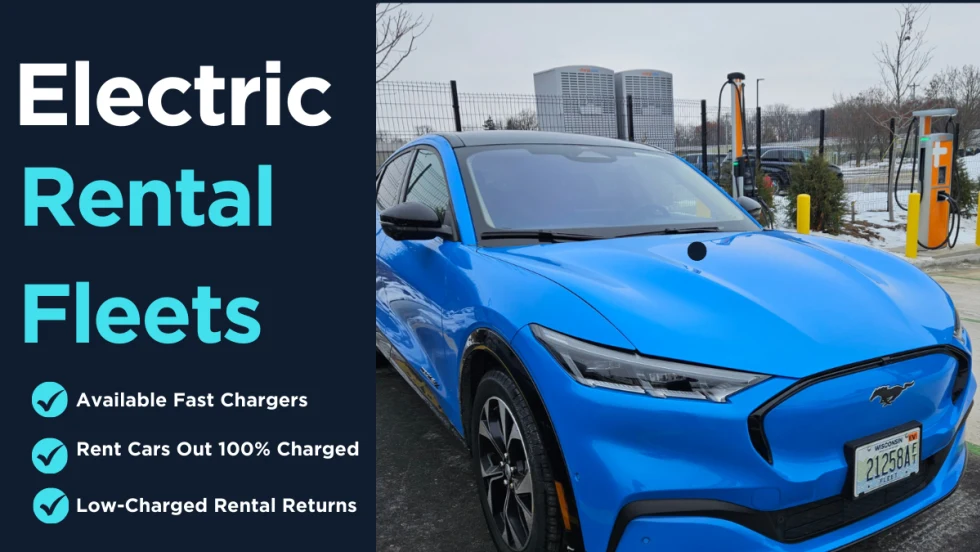
Rental EV Adoption Requires Local, Targeted Approach
The EV frenzy of the last few years has disillusioned the motoring public about going all-electric. Now it’s time to meet the market where it’s at.
Read More →
Why Car Rental Operations Must Use AI To Gain More Renters
A race has started between generations embracing AI and companies willing to adapt it to their operations.
Read More →
Speed Overtakes Car Rental Industry Practices
Technology, data, and digital advances are combining to create a business climate full of information, impatience, and instant results.
Read More →