




Related: Google to Test Self-Driving Chrysler Pacifica Minivans
Google Spins Off Self-Driving Unit, Prepping Ride-Hailing Service
Google has formed a mobility company called Waymo to house its development of self-driving vehicles and may be laying the groundwork to roll out a ride-hailing service as soon as late 2017 in a partnership with Fiat Chrysler, according to various reports.
by Staff
December 13, 2016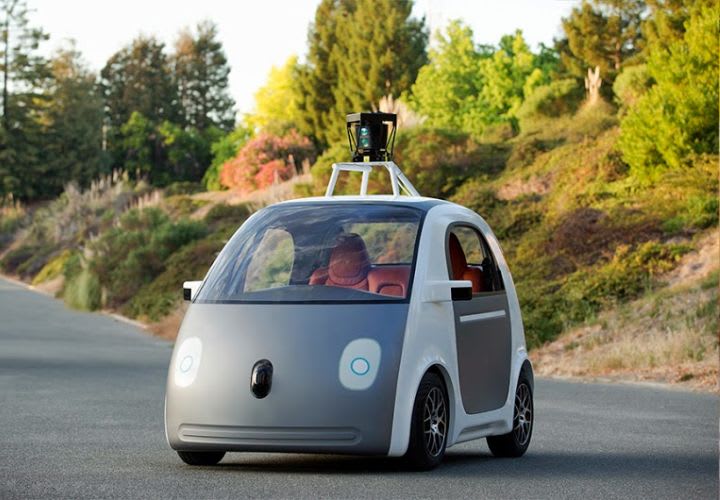
Photo courtesy of Google.
2 min to read
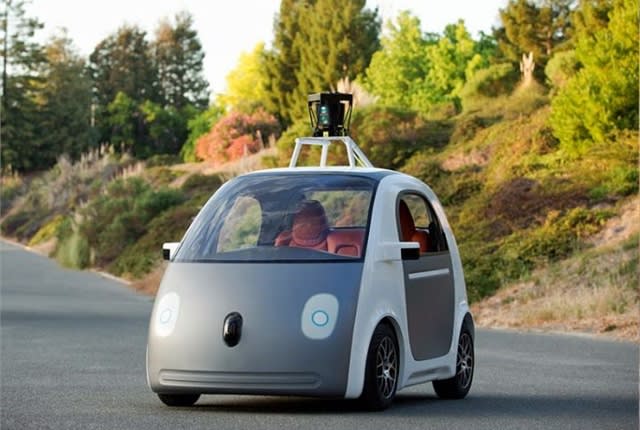
Photo courtesy of Google.
Google has formed a mobility company called Waymo to house its development of self-driving technology and may be laying the groundwork to roll out a ride-hailing service as soon as late 2017 in a partnership with Fiat Chrysler, according to various reports.
Waymo — a name derived from Google's mission to find a "new way forward in mobility" — will be headed up by John Krafcik, Hyundai Motor America's former CEO.
In a blog posted on Waymo's website, he wrote that the company is shifting its focus from building driverless cars to developing sensors, software and technology it will then license to automakers and ride-hailing firms.
"We can see our technology being useful in personal vehicles, ridesharing, logistics, or solving last mile problems for public transport," Krafcik wrote in a Medium post. "In the long term, self-driving technology could be useful in ways the world has yet to imagine, creating many new types of products, jobs, and services."
Google parent Alphabet, Inc. plans to start a ride-sharing service with Fiat-Chrysler that will deploy a semi-autonomous version of Chrysler Pacifica minivans as early as the end of 2017, Automotive News reported.
Earlier this year, Google entered into a partnership with Fiat-Chrysler to test its self-driving technology in 2017 Chrysler Pacifica Hybrid minivans.
Google had been operating the self-driving unit under the umbrella of parent Alphabet as Google X.
Krafcik said the company began testing the first fully autonomous car, which has no steering wheel or pedals on public roads in Austin, Texas, last year. Blind man Steve Mahan rode one of the self-driving prototypes in public traffic on Oct. 20, 2015. Google has logged more than 2 million miles with its autonomous vehicles, mostly in Mountain View, Calif., near the company's headquarters.
Originally posted on Automotive Fleet
More Rental Operations

What Does It Take to Succeed in B2B Rentals?
The fundamentals may be familiar to daily car rental operators, but project-based truck rentals put different demands on the fleet and the business.
Read More →
NPR Builds on International Partnerships to Grow Rental Bookings
With Ana Laborde supporting broker development, NPR Auto Group is tailoring distribution strategies, rate packages, and partnerships to grow international reservations across its three brands.
Read More →
Advantage, Sixt Place Among Top Five in Annual Satisfaction Study
While Enterprise and National retain the top spots in JD Power’s 2026 rankings, the latest customer satisfaction results suggest renters can find competitive service beyond the biggest car rental names.
Read More →
The $100,000 Insurance Trap in Exotic Car Rentals
Exotic rental agencies often rely on customers’ personal auto policies to protect six-figure vehicles. But policy language can dramatically change the coverage for vehicles over $100,000 MSRP.
Read More →
The Booking Is Confirmed, But Is Your Customer Ready to Drive?
For international renters, a confirmed reservation doesn’t always mean they’re eligible to drive. Earlier checks can help operators catch documentation and payment issues before the customer reaches the counter.
Read More →
ICRS 2027 Opens Call for Papers
The International Car Rental Show seeks session proposals on the business, operational, and technology issues facing car rental operators. Submissions are due Jan. 15.
Read More →
Turo to Launch Vehicle Delivery Service
Turo Delivered will let travelers search for vehicles that hosts can deliver directly to hotels, homes, airports, train stations, and other locations.
Read More →
Palm Beach Airport Code Change Creates Car Rental Distribution Gap
A test of rental searches under the old PBI and new DJT airport codes returned largely different sets of brands and vehicles, highlighting a potential distribution problem for rental operators.
Read More →
U-Save Continues Dominican Republic Expansion with Launch in Punta Cana
The new franchise location builds on U-Save’s existing Santo Domingo operation and will begin taking reservations for October 2026.
Read More →
When AI Books the Rental Car, Who Controls the Sale?
As AI moves from comparing rental rates to completing transactions, operators need to understand how travelers find, interpret, rank, and ultimately see their offers. (Part 2 of 2.)
Read More →