



Lyft Adds Insurance Coverage and Joins Rideshare Coalition
In addition to joining the Rideshare Insurance Coalition, Lyft has added new insurance coverage for collision, uninsured motorists and underinsured motorists.

Transportation Network Company Lyft uses pink moustaches for its peer-to-peer car-sharing service. Photo via Wikimedia.

Transportation Network Company Lyft uses pink moustaches for its peer-to-peer car-sharing service. Photo via Wikimedia.
Peer-to-peer car-sharing service Lyft now offers additional insurance coverage for its drivers. Using an online platform, Lyft provides transportation services by connecting passengers with drivers using their personal vehicles.
These three new insurance policies cover collision, uninsured motorists and underinsured motorists, according to Lyft's website:
Collision: contingent policy  $2,500 deductible and $50,000 maximum. This is suitable for drivers who have purchased collision coverage on their personal policy, says Lyft.
Uninsured motorists: excess policy $1 million limit that covers drivers if hit by an uninsured motorist that is at fault.
Underinsured motorists: excess policy $1 million limit covering drivers if hit by an underinsured motorist that is at fault.
"We created the $1,000,000 liability policy as excess over personal insurance and designed all these coverages to drop down and act as primary insurance in the case that someone's personal policy does not respond," according to the Lyft website.
In addition, Lyft has announced that it is part of the new Peer-to-Peer Rideshare Insurance Coalition. Lyft will be working with other Transportation Network Companies (TNCs), regulators and insurance providers to address how the insurance industry can help support the developing peer-to-peer market.
The California Public Utilities Commission (CPUC) is one of the regulator members of this coalition. It is participating as an observer to monitor the coalition’s progress and discuss the CPUC’s legal and regulatory requirements, says the CPUC.
“I’m happy to see this diverse set of participants come together to find a market solution that will enhance insurance for the TNCs,” said CPUC President Michael R. Peevey. “I will keep a close eye on this, and if there is an insurance gap that has been identified and confirmed, then I will propose regulations that could close the gap if the market has not stepped in to do so.”
With a mission to “build a foundation of insurance best practices, policies and information for peer-to-peer ridesharing,” says Lyft, the coalition will have its first meeting the last week of February. Members include other TNCs (Sidecar, Uber), insurance companies (Esurance, Farmers Insurance, Allstate Insurance) and the National Highway Traffic Safety Administration for the U.S. Department of Transportation.
More Fleet Insurance
Hanging By A Vote: What the Hertz Insurance Ruling Means for Rental Operators
A recent precedent-setting court case points to the precautions and steps a rental fleet operation should take to minimize risk, reduce exposure, and avert legal consequences.
Read More →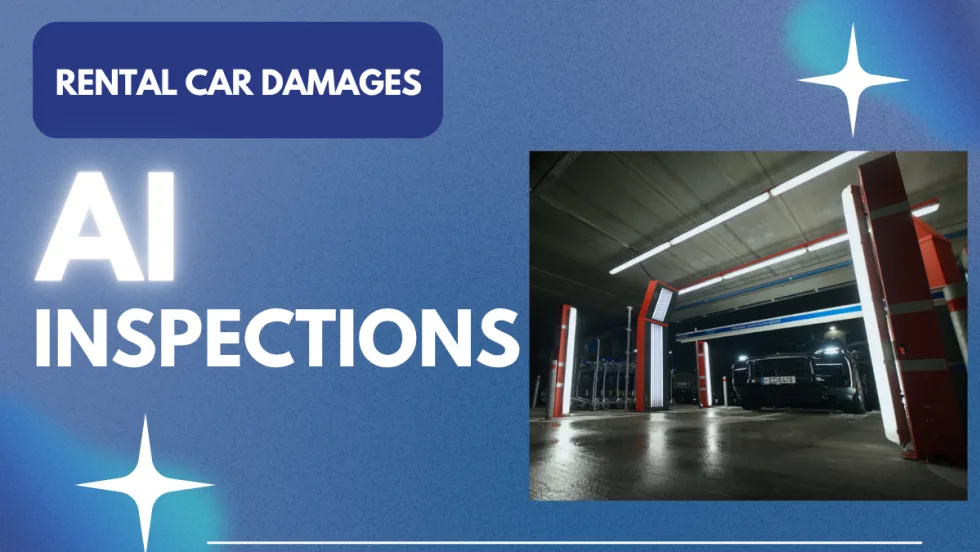
Using AI to Create Clarity, Not Conflict, in Rental Car Damage
Rental companies still need people, policy, judgment, and thoughtful implementation, with operators remaining in control of the customer experience.
Read More →
Go Rentals, Repair Provider Partner To Ease Insurance Claims Experience
The arrangement helps reduce the stress of collision repair for vehicle owners by connecting them to reliable, timely rental cars.
Read More →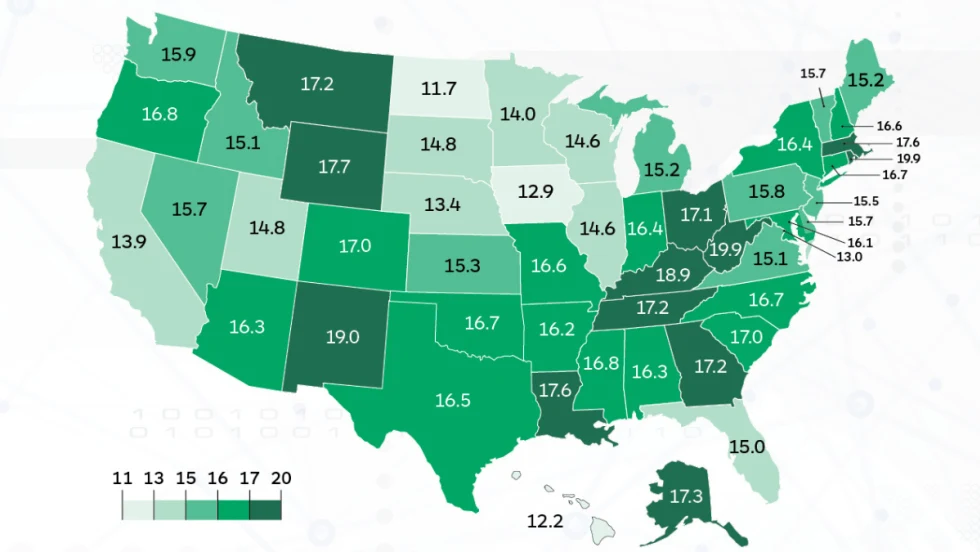
U.S. Collision-Related Rental Length of Rental Declined Modestly in Q4 2025
While LOR continues to decrease from post-pandemic highs, ongoing market and economic conditions could impact future results.
Read More →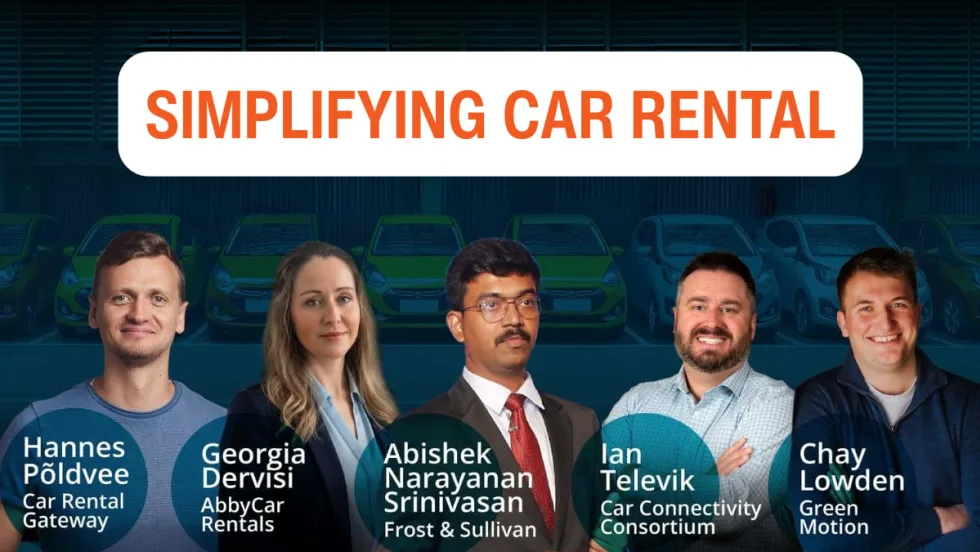
Beyond The Rental Desk: Inside Car Rental’s Push To Simplify
Greater transparency, simplified digital access, and connected fleets will be the key factors in determining who comes out on top over the next 10 years.
Read More →
Tripiamo Brings Certified Driving Confidence Training For Car Renters
Driving abroad is one of the leading causes of death among international travelers, who are not used to new traffic patterns.
Read More →
AI in Car Rental Should Be the Customer’s Advocate, Not Accuser
Opinion/Editorial: What happens when AI randomly overcharges car renters outrageous fees and penalties?
Read More →
TSD Mobility, Canopy Connect Partner to Ease Insurance Verification
The new integration brings streamlined functionality to rental agents and dealerships.
Read More →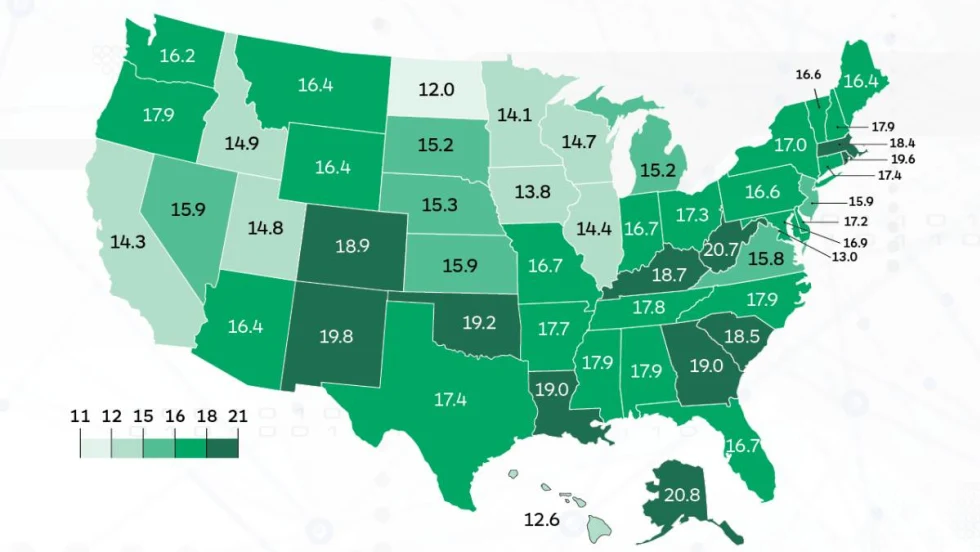
Length of Rental Could Be Finding a New Normal of More Days
The industry may not be returning to the lower LORs of 2019 and 2020 as two years of declining repair shop backlogs appear to flatline.
Read More →
Gallagher Insurance Hires Broker Focused on Rental Car Operations
The former rental fleet executive informs his insurance practices with the everyday realities of managing rented vehicles.
Read More →