




Rental Car Industry Trends Ahead for 2025
Auto Rental News 2025 Fact Book: The future may not be entirely predictable, but plenty of factors today trigger results and consequences for tomorrow.


Rental car operators face the challenges of making money in an economic environment with rising expenses and flatter rental rates. The best business approach going into 2025 is steady and conservative growth.
Illustration: Getty Images
If you want to keep a pulse on industry trends, then listen to what car rental company owners and operators are talking about.
What’s top of mind will point to or involve industry trends and shifts. Two events in 2024 collected many of those topics and insights on the present and future state of the auto rental industry: The American Car Rental Association (ACRA) annual conference in Washington, D.C., Sept. 16-18, and the International Car Rental Show in Las Vegas, April 15-17.
Industry speakers, leaders, and panelists at the two events shared the following points and best practices on various operational topics gathered for the 2025 Auto Rental News Fact Book. [They also delved into technology, which will be the subject of the second part of this article soon.]
Rental Car Industry Now Fully Recovered
The rental car marketplace and overall travel business sector have recovered from the peak years of the disruptive pandemic period, 2020-2022. Business and leisure travel have vaulted to 2019 levels, and businesses are reverting to pre-pandemic norms.
Rental car operators face the challenges of making money in an economic environment with rising expenses and flatter rental rates. The best business approach going into 2025 is steady and conservative growth.
Inflation has raised operating expenses and heightened the need for rental car companies to closely monitor operating costs. Companies should follow financial practices that can adjust to success in different regional markets.
An influx of rental car operators is leaving peer-to-peer platforms to start their businesses, highlighting the need for industry training and basic business set-up. That involves forming corporate entities, rental management systems, rental agreements, and credit card processing procedures.
New and Wholesale Used Vehicle Market Dynamics
The wholesale used vehicle market should fully return to normal within mid-2025-27.
Rental companies are prioritizing SUVs and trucks over sedans due to the shift of automotive market demand.
Higher new vehicle inventory levels will continue for several years, leading to lower prices, while increased demand for trucks and SUVs will determine the levels of incentives and prices.
OEMs prioritize higher trims, leading to fewer affordable standard vehicles in rental fleet markets.
Operators should look for potential greater bulk discounts on fleet purchases from manufacturers as incentives increase.
Rental car companies should explore ways to restore vehicle category ratios in rental fleets through strategic vehicle purchases based on shifting OEM production plans.
Inventory shortages will likely increase used car prices for the next 24 months.
Wholesale and retail channels will see increases in used rental fleet volume and higher mileage vehicles.
OEMs are expanding CPO programs to include older rental units, which creates more opportunities for dealers and remarketers.
Evaluating Fleet Risk and Insurance Options
The auto insurance industry is seeing more high-value claims, and some companies are pulling out of the market due to the increased risk.
Operators should contact rental insurance companies to understand their claims payment and reimbursement policies better.
Rental fleet operations can streamline claims and save time by standardizing forms and processes across travel insurance providers.
Companies should keep rental agreements updated with state regulations and any changes in case law.
Rental companies must choose customers carefully and maintain proper records to avoid liability.
Consistent training of employees can help avoid inconsistencies that could lead to litigation.
Rental companies should consider renewing rental agreements every 30 days to maintain protection under the Graves Amendment, a federal law that protects rental car companies from blame and liability for accidents involving their owned or leased fleet vehicles rented and driven by customers.
Operators should stay updated with technological advancements and regulatory changes to maintain a strong position in the rental industry.
Banks and finance institutions seek higher thresholds to qualify for vehicle loans. For example, two to three years of rental experience with payment history, a profitable track record with a leasing company, longevity in the car rental industry, holding clients more accountable with their finances, clear financial and business models, solid financial metrics, and cash accounting, a firm financial foundation, and a clear strategy for success is required.
Aiming for Quality Franchises, Affiliates, and Customer Service
Operators should focus affiliate operations on one or a few primary brands to avoid customer service inconsistencies.
Companies must set up and provide additional training and support to affiliates struggling with poor customer reviews/scores.
Operators should try to develop more strategies to solicit online reviews from customers.
Rental car affiliate networks should aim for a holistic approach to customer service, including transparent communication and preemptive measures to address issues.
Franchising requires precise terminology, intellectual property, contracts, and indemnification agreements.
Well-developed franchises draw on precedent and good training to protect the brand.
The trend focuses on consistent service and representation with a few brands to ensure everything is clear.
Training and support must constantly be structured to improve customer service and address issues promptly.
Transparency and clear communication in booking will manage customer expectations and avoid bad reviews.
More Rental Operations
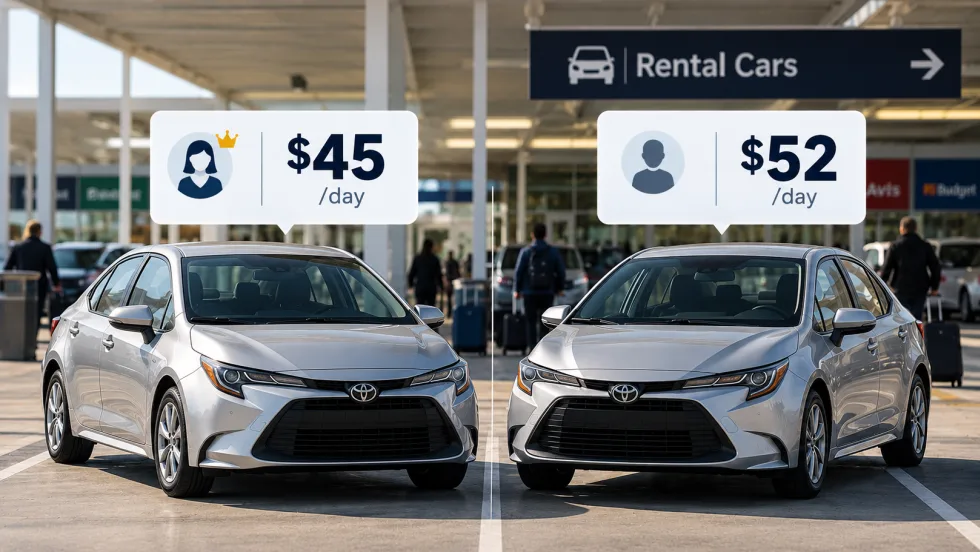
How Rental Operators Can Navigate Personalized Pricing Rules
As regulators scrutinize the use of customer data in pricing, rental operators need to know whether they can explain why one renter pays more than another.
Read More →
Direct, Broker or Hybrid? How Travel Retailers Source Rental Cars
As travel retailers weigh direct supplier relationships against third-party distribution, rental operators need to understand how those decisions affect their business.
Read More →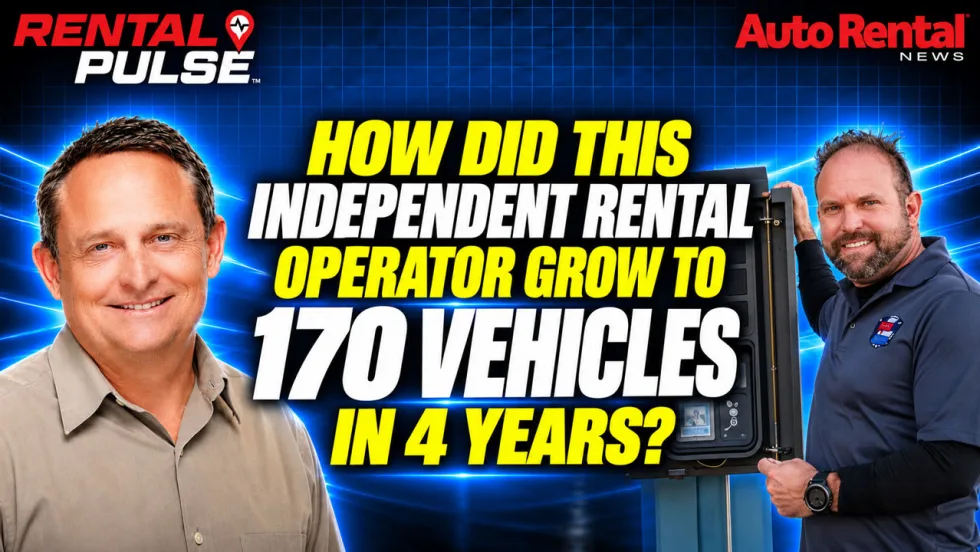
How Did This Independent Rental Operator Grow to 170 Vehicles in 4 Years?
With 170 vehicles across three Kentucky locations, Joel Price relies on an overseas team to handle reservations, payments, and after-hours customer service. It's one part of an unconventional approach to growing an independent rental operation.
Read More →
What Does It Take to Succeed in B2B Rentals?
The fundamentals may be familiar to daily car rental operators, but project-based truck rentals put different demands on the fleet and the business.
Read More →
NPR Builds on International Partnerships to Grow Rental Bookings
With Ana Laborde supporting broker development, NPR Auto Group is tailoring distribution strategies, rate packages, and partnerships to grow international reservations across its three brands.
Read More →
Advantage, Sixt Place Among Top Five in Annual Satisfaction Study
While Enterprise and National retain the top spots in JD Power’s 2026 rankings, the latest customer satisfaction results suggest renters can find competitive service beyond the biggest car rental names.
Read More →
The $100,000 Insurance Trap in Exotic Car Rentals
Exotic rental agencies often rely on customers’ personal auto policies to protect six-figure vehicles. But policy language can dramatically change the coverage for vehicles over $100,000 MSRP.
Read More →
The Booking Is Confirmed, But Is Your Customer Ready to Drive?
For international renters, a confirmed reservation doesn’t always mean they’re eligible to drive. Earlier checks can help operators catch documentation and payment issues before the customer reaches the counter.
Read More →
ICRS 2027 Opens Call for Papers
The International Car Rental Show seeks session proposals on the business, operational, and technology issues facing car rental operators. Submissions are due Jan. 15.
Read More →
Turo to Launch Vehicle Delivery Service
Turo Delivered will let travelers search for vehicles that hosts can deliver directly to hotels, homes, airports, train stations, and other locations.
Read More →