



Related: Safe Rental Car Act Effective Today
More Than 45M Recalled Vehicles Still Not Repaired
According to data from the National Highway Traffic Safety Administration analyzed by J.D. Power, over 45 million vehicles that were the subject of safety recalls — issued between 2013 and 2015 — are still not repaired.
by Staff
July 26, 2016
Photo courtesy of International Franchise Systems.
3 min to read

Photo courtesy of International Franchise Systems.
More than 45 million vehicles that were the subject of safety recalls — issued between 2013 and 2015 — are still not repaired, according to data from the National Highway Traffic Safety Administration (NHTSA) that was analyzed by J.D. Power.
Over the past 20 years, more than 437 million vehicles have been affected by safety recall decisions in the U.S. In 2015, alone over 51 million vehicles were the subject of safety recalls, more than in any previous year.
By analyzing NHTSA and proprietary J.D. Power benchmarking data using its SafetyIQ platform, J.D. Power has identified these primary factors impacting completion rates for those recalls: vehicle age, vehicle type, overall population of recall, and type of recall.
"The steady surge in recalls, combined with NHTSA’s stated goal of 100% recall completion rates, have made the number of un-remedied recalls still on the road a critical statistic for automakers and dealers," said Renee Stephens, vice president of U.S. automotive at J.D. Power. "By understanding the behavioral trends of vehicle owners, as well as recall completion rates among different vehicle and recall types, as an industry we can better tailor communications to improve those completion rates."
Here are some key findings in the J.D. Power SafetyIQ analysis (all data is based on recall decisions made from 2013-2015, as reported through six quarters of completion information):
• Un-Remedied Vehicles More Common in Older Models: The total recall completion rate for vehicles with model years between 2013 and 2017 is 73%. This compared with a completion rate of just 44% for vehicles manufactured between 2003 and 2007.
• Vehicle Type Plays a Big Role in Recall Completion: Among vehicle segments, large/work vans have the highest overall recall completion rate at 86%, followed closely by compact premium SUVs at 85%. This is a contrast with the mid-premium sports car segment, which has a completion rate of just 31%, and large SUVs, which have a completion rate of 33%.
• Larger Populations Present Bigger Completion Challenges: The completion rate for individual recalls affecting more than 1 million vehicles is 49%. This compares with a 67% completion rate for individual recalls affecting less than 10,000 vehicles. It is sometimes difficult to obtain parts to launch large campaigns. In addition, customers can more easily receive a targeted communication method, such as a phone call, with a smaller population of vehicles.
• Powertrain and Electrical System Recalls Most Likely to Get Fixed: Of the major safety components, the groups with the highest recall completion rates are powertrain (71%), electrical (62%), and hydraulic brakes (66%). Air bags and suspension issues have the lowest completion rates at 47% and 48%, respectively.
"By better understanding the specific factors driving recall compliance among vehicle owners, manufacturers, and dealers can better tailor their communications and manage the recall process much more efficiently," said Stephens. "This is a critical level of intelligence for the industry, which we believe will ultimately help reduce the number of un-remedied vehicles still on the road."
More Rental Operations
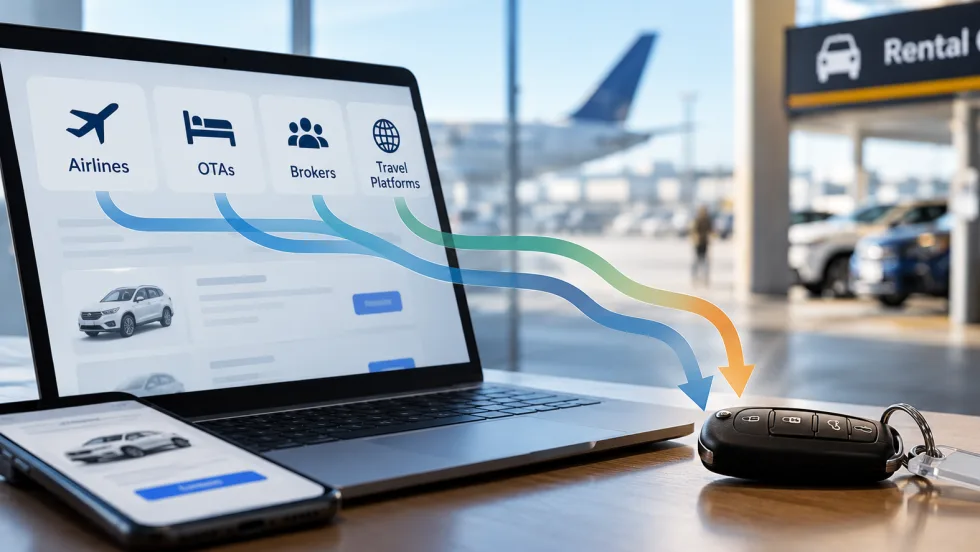
Direct, Broker or Hybrid? How Travel Retailers Source Rental Cars
As travel retailers weigh direct supplier relationships against third-party distribution, rental operators need to understand how those decisions affect their business.
Read More →
How Did This Independent Rental Operator Grow to 170 Vehicles in 4 Years?
With 170 vehicles across three Kentucky locations, Joel Price relies on an overseas team to handle reservations, payments, and after-hours customer service. It's one part of an unconventional approach to growing an independent rental operation.
Read More →
What Does It Take to Succeed in B2B Rentals?
The fundamentals may be familiar to daily car rental operators, but project-based truck rentals put different demands on the fleet and the business.
Read More →
NPR Builds on International Partnerships to Grow Rental Bookings
With Ana Laborde supporting broker development, NPR Auto Group is tailoring distribution strategies, rate packages, and partnerships to grow international reservations across its three brands.
Read More →
Advantage, Sixt Place Among Top Five in Annual Satisfaction Study
While Enterprise and National retain the top spots in JD Power’s 2026 rankings, the latest customer satisfaction results suggest renters can find competitive service beyond the biggest car rental names.
Read More →
The $100,000 Insurance Trap in Exotic Car Rentals
Exotic rental agencies often rely on customers’ personal auto policies to protect six-figure vehicles. But policy language can dramatically change the coverage for vehicles over $100,000 MSRP.
Read More →
The Booking Is Confirmed, But Is Your Customer Ready to Drive?
For international renters, a confirmed reservation doesn’t always mean they’re eligible to drive. Earlier checks can help operators catch documentation and payment issues before the customer reaches the counter.
Read More →
ICRS 2027 Opens Call for Papers
The International Car Rental Show seeks session proposals on the business, operational, and technology issues facing car rental operators. Submissions are due Jan. 15.
Read More →
Turo to Launch Vehicle Delivery Service
Turo Delivered will let travelers search for vehicles that hosts can deliver directly to hotels, homes, airports, train stations, and other locations.
Read More →
Palm Beach Airport Code Change Creates Car Rental Distribution Gap
A test of rental searches under the old PBI and new DJT airport codes returned largely different sets of brands and vehicles, highlighting a potential distribution problem for rental operators.
Read More →