


U.S. Senate Passes ‘Travel Promotion Act'
The legislation is intended to drive new consumer spending from foreign visitors, who spend an average of $4,500 per person, per trip in the U.S.
On Sept. 9, the U.S. Senate passed S. 1023, the "Travel Promotion Act," with strong bipartisan support, 79 to 19. The legislation creates a public-private partnership to promote the United States as a premier travel destination and better explain U.S. security policies. Once passed by the House of Representatives and enacted into law, the program is estimated to create 40,000 U.S. jobs, drive $4 billion in new consumer spending according to Oxford Economics and reduce the federal budget deficit by $425 million according to the Congressional Budget Office. Overseas visitors spend an average of $4,500 per person, per trip in the United States.
"The United States Senate today took a giant step toward regaining America's position as the premier travel destination and strengthening our struggling economy," said Roger Dow, president and CEO of the U.S. Travel Association. "Nearly every company, city, state and developed nation understands the power of promotion. By getting in the global game, America will create tens of thousands of new jobs and strengthen its image in the world as visitors leave with an improved perception of our country and her people."
The "Travel Promotion Act," introduced by Senators Byron Dorgan (D-ND) and John Ensign (R-NV) and co-sponsored by 51 Senators, is modeled after successful state-level programs and is funded through a matching program featuring up to $100 million in private sector contributions and a $10 fee on foreign travelers who do not pay $131 for a visa to enter the United States. The fee is collected once every two years in conjunction with the Department of Homeland Security's Electronic System for Travel Authorization. No money is provided by U.S. taxpayers.
Nearly identical legislation passed the House of Representatives in the last session, but did not receive a Senate vote before adjournment. A new House companion bill, H.R. 2935, is co-sponsored by 68 members of the U.S. House of Representatives.
For more information about the Travel Promotion Act, please visit www.poweroftravel.org.
More Rental Operations
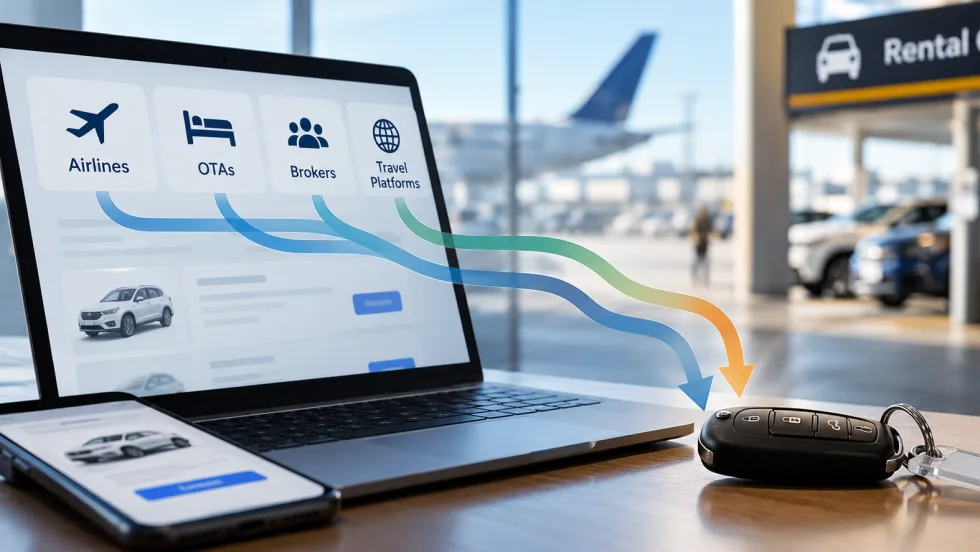
Direct, Broker or Hybrid? How Travel Retailers Source Rental Cars
As travel retailers weigh direct supplier relationships against third-party distribution, rental operators need to understand how those decisions affect their business.
Read More →
How Did This Independent Rental Operator Grow to 170 Vehicles in 4 Years?
With 170 vehicles across three Kentucky locations, Joel Price relies on an overseas team to handle reservations, payments, and after-hours customer service. It's one part of an unconventional approach to growing an independent rental operation.
Read More →
What Does It Take to Succeed in B2B Rentals?
The fundamentals may be familiar to daily car rental operators, but project-based truck rentals put different demands on the fleet and the business.
Read More →
NPR Builds on International Partnerships to Grow Rental Bookings
With Ana Laborde supporting broker development, NPR Auto Group is tailoring distribution strategies, rate packages, and partnerships to grow international reservations across its three brands.
Read More →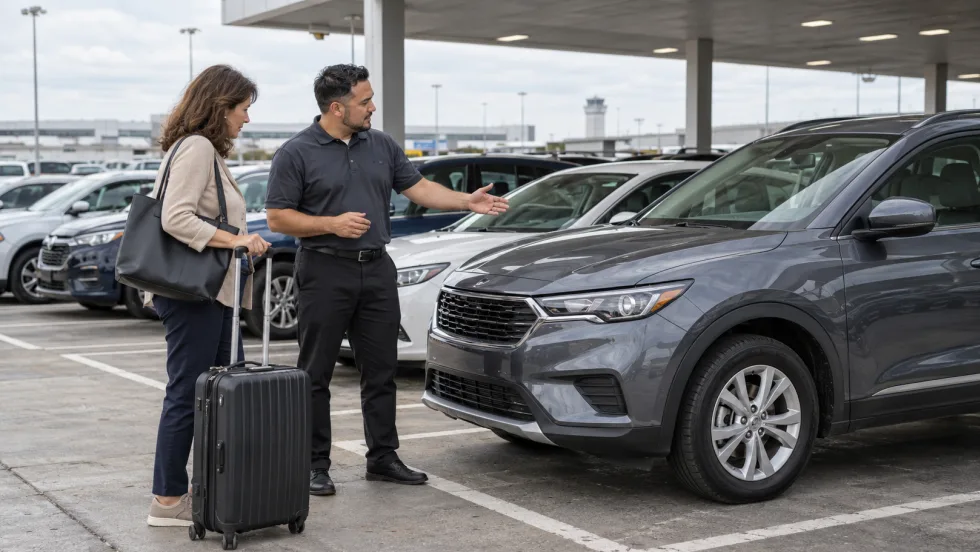
Advantage, Sixt Place Among Top Five in Annual Satisfaction Study
While Enterprise and National retain the top spots in JD Power’s 2026 rankings, the latest customer satisfaction results suggest renters can find competitive service beyond the biggest car rental names.
Read More →
The $100,000 Insurance Trap in Exotic Car Rentals
Exotic rental agencies often rely on customers’ personal auto policies to protect six-figure vehicles. But policy language can dramatically change the coverage for vehicles over $100,000 MSRP.
Read More →
The Booking Is Confirmed, But Is Your Customer Ready to Drive?
For international renters, a confirmed reservation doesn’t always mean they’re eligible to drive. Earlier checks can help operators catch documentation and payment issues before the customer reaches the counter.
Read More →
ICRS 2027 Opens Call for Papers
The International Car Rental Show seeks session proposals on the business, operational, and technology issues facing car rental operators. Submissions are due Jan. 15.
Read More →
Turo to Launch Vehicle Delivery Service
Turo Delivered will let travelers search for vehicles that hosts can deliver directly to hotels, homes, airports, train stations, and other locations.
Read More →
Palm Beach Airport Code Change Creates Car Rental Distribution Gap
A test of rental searches under the old PBI and new DJT airport codes returned largely different sets of brands and vehicles, highlighting a potential distribution problem for rental operators.
Read More →