




What Happens When Autonomous Technology Goes Wrong?
The report explains the test results of 40 individuals and gives suggestions on what mobility and infrastructure changes may need to be implemented to ensure safety on roadways.
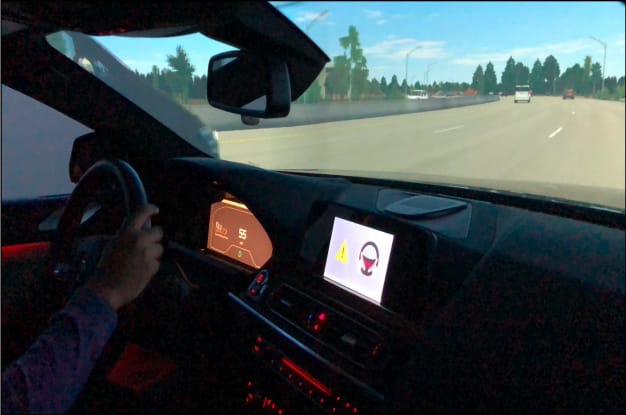
Each driver was placed in a car simulator capable of handling both human and autonomous driving.
Photo courtesy of MTI.
As autonomous vehicles become more commonplace and automakers invest millions into the development of such technologies, consumers and researchers alike are left to ponder the implications of such technology failing during operation.
The Mineta Transportation Institute published a new report, Analysis of Disengagements in Semi-Autonomous Vehicles: Drivers’ Takeover Performance and Operational Implications, which explores this case scenario.
The study looks at how humans interact with AV’s if it loses control while on the road. It measured how quickly and deliberately the car alerted drivers and how efficiently the driver could effectively react and take control.
The study tested 40 individuals starting at 18 years old to 55 years plus. Each driver was placed in a car simulator capable of handling both human and autonomous driving. The test measured response times and vehicle drift from a centerline under several different scenarios.
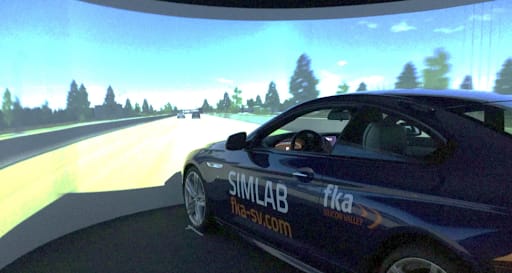
Photo courtesy of MTI.
Key results showed that between two different speed settings (high speed of 65 mph and a low speed of 55 mph), the lower speed yielded better performance. Out of all the three different age groups tested, the older participants performed better in overall driving and driving after autonomous technology failure.
Researchers also found that individuals tended to increase their speed and steer after taking control of the vehicles, as opposed to braking. About half of the drivers also reported not seeing the visual warning on the central console but did hear the auditory warnings.
The report takes into consideration how AVs can affect roadways and drivers. It gives suggestions on what mobility and infrastructure changes may need to be implemented to ensure safety while operating autonomous technologies.
Originally posted on Automotive Fleet
More Telematics

RentalMatics, GeoInt Partner On Rental Car Speed Tracking Tech
Rental operators can now detect and act on speeding while vehicles are still on rent, thereby reducing fines, admin workload, vehicle wear, and safety risks.
Read More →
Zubie, PurCo Integrate Rental Damage Detection With Telematics
The combination brings actionable vehicle insights into PurCo’s PurInspect platform, improving damage detection and operational efficiency for rental fleets.
Read More →
RentalMatics, Renteon Partner Collaborate On Connected Rental Fleets
The partnership reflects growing demand in the car rental industry for data-led operations that unlock efficiency and revenue.
Read More →
New Federal Vehicle Data Privacy Bills Would Empower Fleet Owners, Consumers
The legislation would restore vehicle owners’ control over their personal data and give them the freedom to choose who it's shared with and how it’s used.
Read More →
TSD Mobility Buys Zubie to Bolster Tech Suite
The rental car industry suppliers form an enterprise that merges the functions of rental fleet operations software with telematics and original tech tools.
Read More →
How To Manage Rental Fleet Expenses and Scale Business
With the right systems and relationships in place, rental operators can grow their business while corralling costs and protecting their reputation
Read More →
Privacy4Cars Taps AI Method to Score Data Privacy in Vehicles
The provider’s patented approach has found a direct and useful way to communicate the level of vehicle privacy with consumers for specific vehicles.
Read More →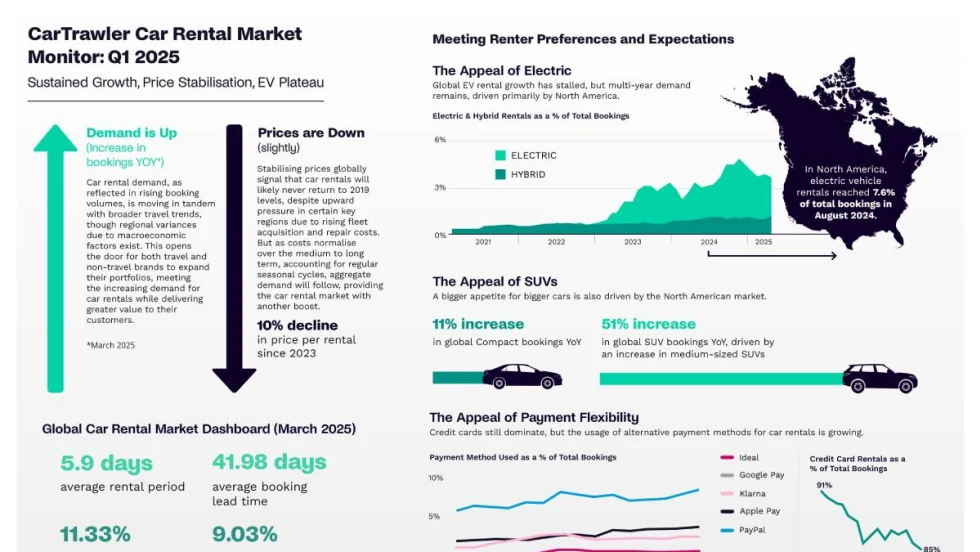
Car Rental Market Resilient Amid Economic Challenges
A new quarterly snapshot from CarTrawler reveals trends in car rental booking, payments, and EV adoption.
Read More →
Zubie, Mobilisights Partner on Embedded Telematics Data
Rental car operations will use the data to manage their fleets with advanced predictive maintenance, driver behavior monitoring, and vehicle health insights.
Read More →
Operator Outlook: New Rental Car Fleet Technologies
2025 ARN Fact Book: What do rental fleet operators see as the primary challenges on the tech and digital tools front?
Read More →