




Young Americans Driving Less, Using Alternative Transit More
Technology is helping to drive use of alternative transportation, according to a new study, siting that improvements in technology make these alternative forms of transportation more convenient and has ‘opened the door’ for transit options such as car sharing.
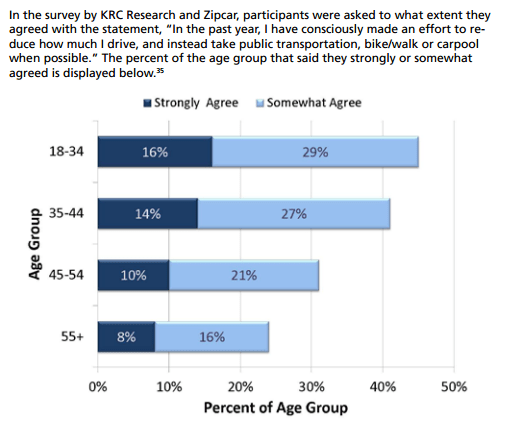
From the “Transportation and the New Generation: Why Young People are Driving Less and What it Means for Transportation Policy,” report.
Young adults in America are decreasing the amount they drive and increasing their use of transportation alternatives, according to a new report released April 5.
“Transportation and the New Generation: Why Young People are Driving Less and What it Means for Transportation Policy,” released by the Frontier Group and U.S. PIRG Education Fund, shows that Americans have been driving less since the middle of last decade.
The report reveals that in 2011, the average American was driving 6% fewer miles per year than in 2004. This trend is even more pronounced among young people, in which the average person aged 16-34 drove 23% fewer miles in 2009 than the average person in this age group in 2001.
The report also notes that a growing number of young Americans do not have a driver’s license; from 2000 to 2010, the share of 14-34-year-olds without a license increased from 21% to 26%.
As well, 18-34-year-olds are choosing to replace driving with alternative transportation. According to a recent survey by KRC Research and Zipcar, 45% of people in this age bracket polled said they have consciously made an effort to replace driving with transportation alternatives — this is compared with approximately 32% of all older populations.
Consciously thinking about the environment is one factor in the study cited by younger generations as to why they make an effort in driving less (click to enlarge chart):
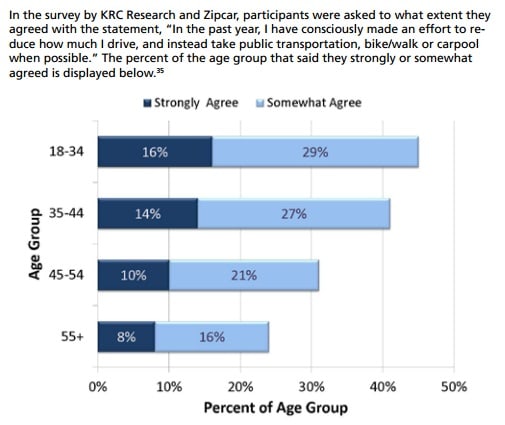
From the “Transportation and the New Generation: Why Young People are Driving Less and What it Means for Transportation Policy,” report.
Technology is also driving use of alternative transportation, according to the study, siting that improvements in technology make these alternative forms of transportation more convenient and has “opened the door” for transit options such as car sharing.
More Rental Operations
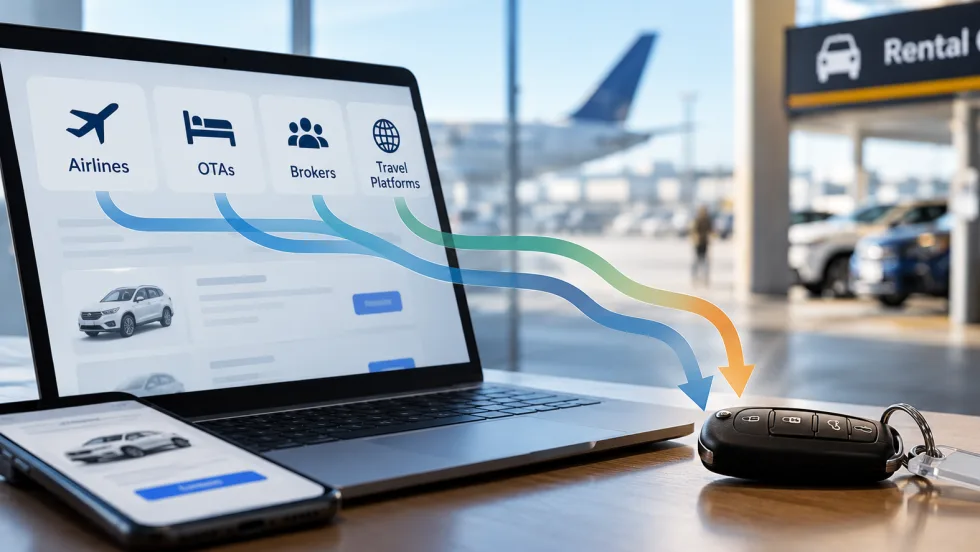
Direct, Broker or Hybrid? How Travel Retailers Source Rental Cars
As travel retailers weigh direct supplier relationships against third-party distribution, rental operators need to understand how those decisions affect their business.
Read More →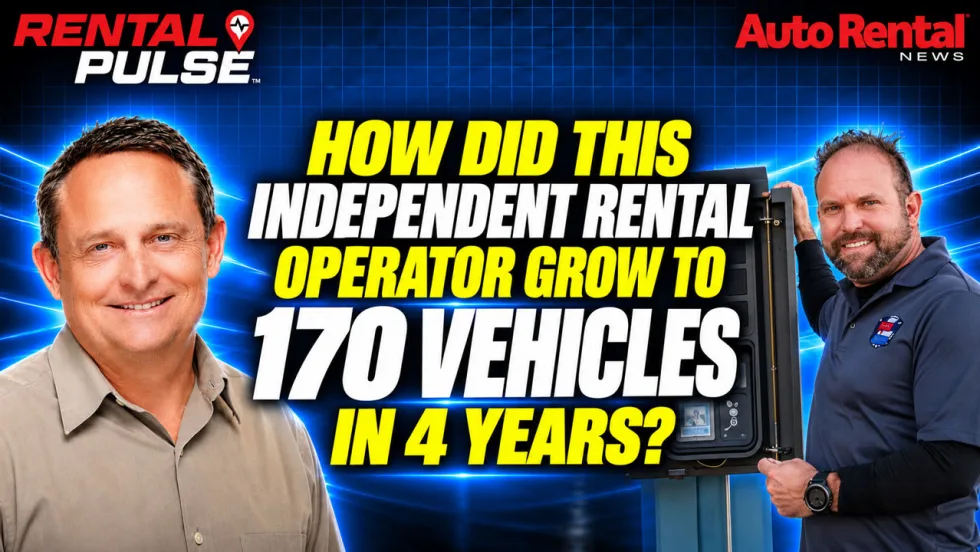
How Did This Independent Rental Operator Grow to 170 Vehicles in 4 Years?
With 170 vehicles across three Kentucky locations, Joel Price relies on an overseas team to handle reservations, payments, and after-hours customer service. It's one part of an unconventional approach to growing an independent rental operation.
Read More →
What Does It Take to Succeed in B2B Rentals?
The fundamentals may be familiar to daily car rental operators, but project-based truck rentals put different demands on the fleet and the business.
Read More →
NPR Builds on International Partnerships to Grow Rental Bookings
With Ana Laborde supporting broker development, NPR Auto Group is tailoring distribution strategies, rate packages, and partnerships to grow international reservations across its three brands.
Read More →
Advantage, Sixt Place Among Top Five in Annual Satisfaction Study
While Enterprise and National retain the top spots in JD Power’s 2026 rankings, the latest customer satisfaction results suggest renters can find competitive service beyond the biggest car rental names.
Read More →
The $100,000 Insurance Trap in Exotic Car Rentals
Exotic rental agencies often rely on customers’ personal auto policies to protect six-figure vehicles. But policy language can dramatically change the coverage for vehicles over $100,000 MSRP.
Read More →
The Booking Is Confirmed, But Is Your Customer Ready to Drive?
For international renters, a confirmed reservation doesn’t always mean they’re eligible to drive. Earlier checks can help operators catch documentation and payment issues before the customer reaches the counter.
Read More →
ICRS 2027 Opens Call for Papers
The International Car Rental Show seeks session proposals on the business, operational, and technology issues facing car rental operators. Submissions are due Jan. 15.
Read More →
Turo to Launch Vehicle Delivery Service
Turo Delivered will let travelers search for vehicles that hosts can deliver directly to hotels, homes, airports, train stations, and other locations.
Read More →
Palm Beach Airport Code Change Creates Car Rental Distribution Gap
A test of rental searches under the old PBI and new DJT airport codes returned largely different sets of brands and vehicles, highlighting a potential distribution problem for rental operators.
Read More →