




Related: Zipcar Study Finds Fewer Personal Cars on College Campuses
Zipcar Expands to 100 More Colleges and Universities
Zipcar has expanded its carsharing service to 100 more universities and colleges over the past year, bringing its total campus footprint to more than 600 throughout North America.
by Staff
May 2, 2017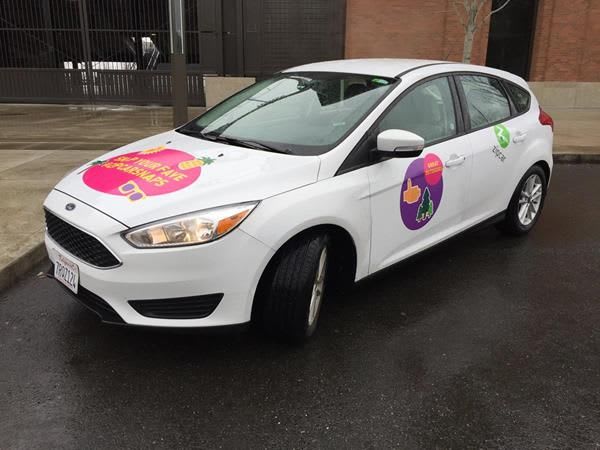
Zipcar’s emoji cars create a fun and playful brand experience. Photo courtesy of Zipcar.
2 min to read
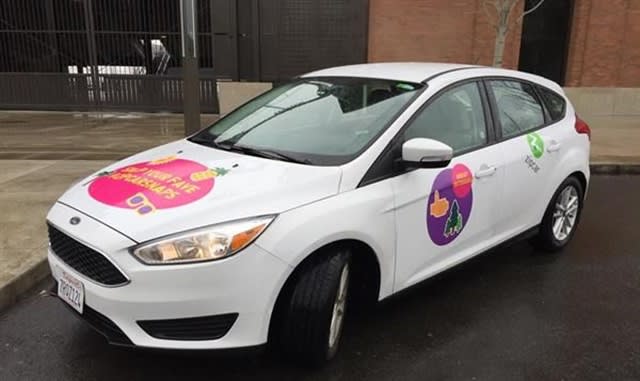
Zipcar’s emoji cars create a fun and playful brand experience. Photo courtesy of Zipcar.
Zipcar has expanded its carsharing service to 100 more universities and colleges over the past year, bringing its total campus footprint to more than 600 throughout North America.
This growth stems from an increase in the number of campuses interested in offering a car-free or car-light campus lifestyle to Generation Z (Gen Z) students, who now make up the majority of the student population.
According to Zipcar, new college and university partners include Cal State Monterrey Bay, Florida International University, Louisiana State University, Oregon State University, SUNY Binghamton, SUNY Buffalo State, University of Colorado Boulder, and University of Connecticut.
"Today's campus planners want to offer convenient, sustainable transportation options that enable off-campus experiences for students, faculty, and staff — and Zipcar is meeting that need," said Tracey Zhen, president of Zipcar. "Zipcar is smart for campuses that want to reduce parking demand and promote transportation amenities that make campus life more convenient and affordable for students. Our growth shows that Zipcar is becoming an indispensable part of campus life."
In recent months, Zipcar has launched new "in real life" (IRL) marketing strategies tailored to the new demographic on campus, Gen Z.
The rise of these highly connected, brand skeptics has led to a shift in Zipcar's campus marketing strategy to an IRL approach that builds trust and grabs attention in the offline world, according to the company. Zipcar's IRL tactics include human-powered advertising (turning backpacks into digital billboards), emoji cars that take the popular digital icons offline, and "stop and stare" activations that offer hands-on experiences with the brand.
"Gen Z is an exciting and quickly growing demographic that has very different attitudes toward brands and transportation," said Kate Pope Smith, Zipcar’s director of integrated marketing. "From what we've seen, they prefer to have access to a car rather than owning one, much like their millennial predecessors, but they also want to do business with real people, allowing us to get creative with some IRL marketing tactics that have been successful in building authentic relationships with Gen Zers."
More Rental Operations
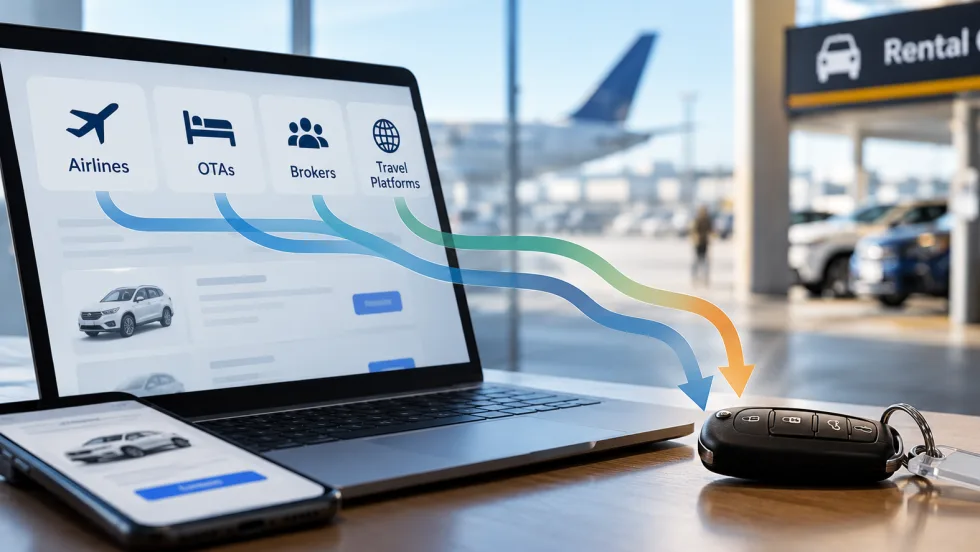
Direct, Broker or Hybrid? How Travel Retailers Source Rental Cars
As travel retailers weigh direct supplier relationships against third-party distribution, rental operators need to understand how those decisions affect their business.
Read More →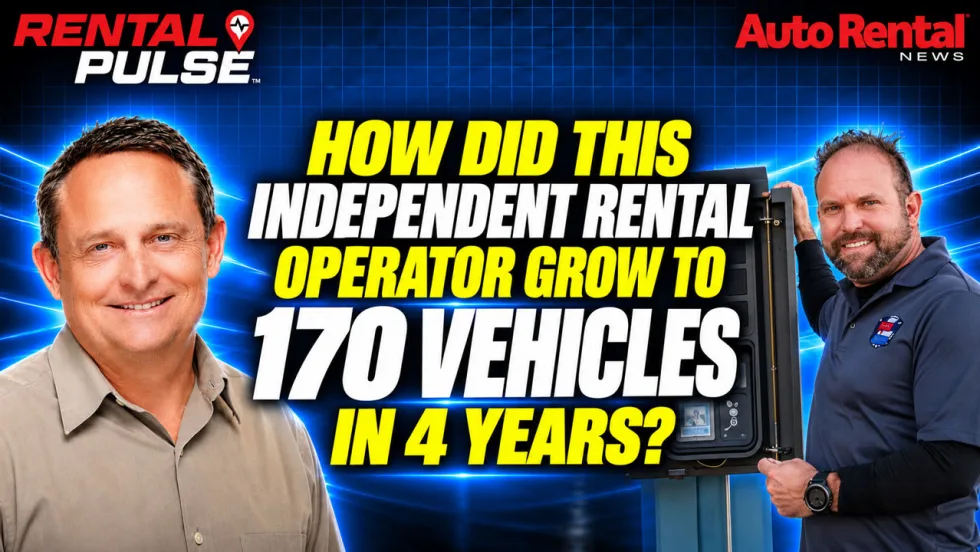
How Did This Independent Rental Operator Grow to 170 Vehicles in 4 Years?
With 170 vehicles across three Kentucky locations, Joel Price relies on an overseas team to handle reservations, payments, and after-hours customer service. It's one part of an unconventional approach to growing an independent rental operation.
Read More →
What Does It Take to Succeed in B2B Rentals?
The fundamentals may be familiar to daily car rental operators, but project-based truck rentals put different demands on the fleet and the business.
Read More →
NPR Builds on International Partnerships to Grow Rental Bookings
With Ana Laborde supporting broker development, NPR Auto Group is tailoring distribution strategies, rate packages, and partnerships to grow international reservations across its three brands.
Read More →
Advantage, Sixt Place Among Top Five in Annual Satisfaction Study
While Enterprise and National retain the top spots in JD Power’s 2026 rankings, the latest customer satisfaction results suggest renters can find competitive service beyond the biggest car rental names.
Read More →
The $100,000 Insurance Trap in Exotic Car Rentals
Exotic rental agencies often rely on customers’ personal auto policies to protect six-figure vehicles. But policy language can dramatically change the coverage for vehicles over $100,000 MSRP.
Read More →
The Booking Is Confirmed, But Is Your Customer Ready to Drive?
For international renters, a confirmed reservation doesn’t always mean they’re eligible to drive. Earlier checks can help operators catch documentation and payment issues before the customer reaches the counter.
Read More →
ICRS 2027 Opens Call for Papers
The International Car Rental Show seeks session proposals on the business, operational, and technology issues facing car rental operators. Submissions are due Jan. 15.
Read More →
Turo to Launch Vehicle Delivery Service
Turo Delivered will let travelers search for vehicles that hosts can deliver directly to hotels, homes, airports, train stations, and other locations.
Read More →
Palm Beach Airport Code Change Creates Car Rental Distribution Gap
A test of rental searches under the old PBI and new DJT airport codes returned largely different sets of brands and vehicles, highlighting a potential distribution problem for rental operators.
Read More →