



Zipcar Study Reveals Urbanites’ Attitudes on Autonomous Cars
In Zipcar’s latest Urbanite Study, two in five urbanite respondents plan to sell their cars, while 83% of respondents believe automated cars will be on streets in their lifetime.
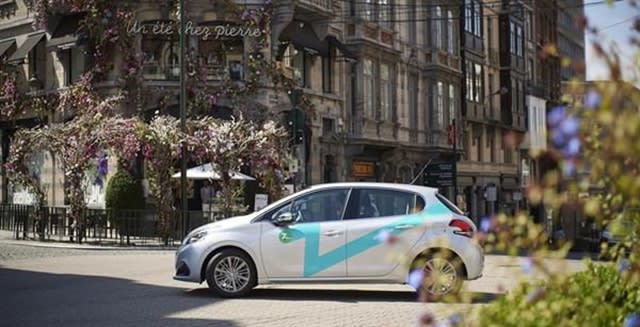
Photo courtesy of Zipcar.

Photo courtesy of Zipcar.
Zipcar, a worldwide car-sharing network, released the findings of its first-ever Zipcar Urbanite Study of city dwellers nationwide.
More than 1,200 members of "Generation City," comprised of urbanites of all ages, were asked about their attitudes and behaviors regarding work and money, lifestyle and technology, transportation, and urban citizenship.
The Urbanite Study is a progression of the company's annual millennial survey and last year's research on urbanites over the age of 50, who have returned to city living. The Zipcar studies revealed that city dwellers share similar attitudes and behaviors regardless of their age. According to the United Nations World Urbanization Prospects 2014, 54 percent of the world's population today resides in urban areas, and predicts that number will grow to two thirds by 2050.
Key findings of the study, which was conducted by KRC Research, include:
Mobile phones are urbanites' most valued piece of technology. In fact, when comparing which tech loss would have the greatest negative impact on their lives, urbanites were twice as likely to select their smartphone than their car (37 percent vs. 19 percent). The 2015 Millennial Survey showed that urbanites are nearly tied in how upset they would be if they lost their car (31 percent) or phone (32 percent).
Half of today's city dwellers don't own a car or, if they do, don't drive every day. More than half of urbanites who own cars (51 percent) plan to decrease the amount of driving they do in the city, while two in five plan to sell their cars altogether. However, nearly 70 percent prefer to drive themselves rather than have someone else drive them.
Eighty-three percent of urbanites belive automated cars will be on the streets within their lifetime. On average, urbanites think self-driving cars will begin to outnumber regular vehicles in about 25 years.
Millennial urbanites are nearly 25 percent more likely to think self-driving cars are safe than urban boomers (61 percent vs. 37 percent).
Nearly 50 percent of people within the study would be open to riding in a public automated vehicle like a city bus, while more than 40 percent would consider purchasing a personal automated vehicle or using a car sharing service for self-driving vehicles. Millennials are more than twice as likely to consider purchasing self-driving vehicles in the future versus urban boomers (56 percent vs. 23 percent.)
For the full findings of the Zipcar Urbanite Study, including data on Generation City's attitudes regarding work and money and urban citizenship, visit Zipcar.
More Rental Operations
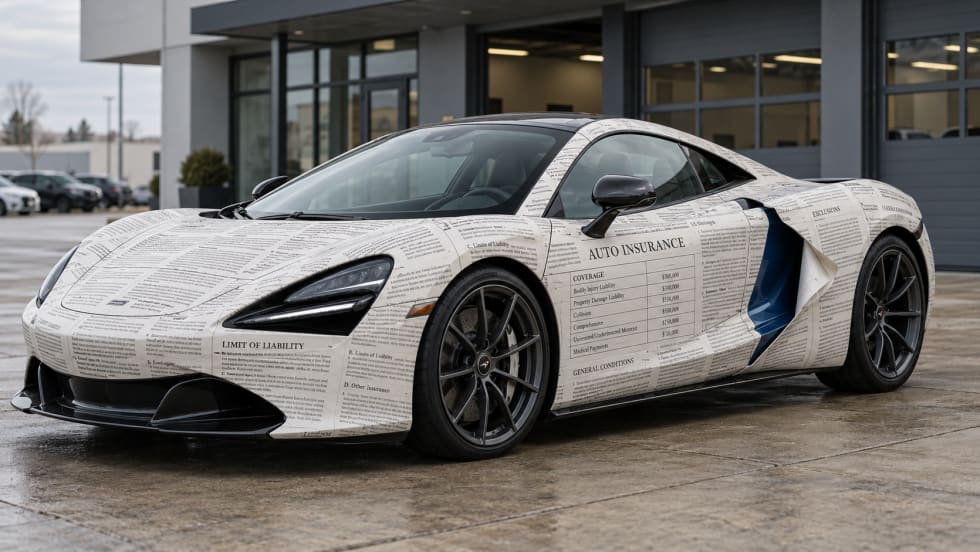
The $100,000 Insurance Trap in Exotic Car Rentals
Exotic rental agencies often rely on customers’ personal auto policies to protect six-figure vehicles. But policy language can dramatically change the coverage for vehicles over $100,000 MSRP.
Read More →
The Booking Is Confirmed, But Is Your Customer Ready to Drive?
For international renters, a confirmed reservation doesn’t always mean they’re eligible to drive. Earlier checks can help operators catch documentation and payment issues before the customer reaches the counter.
Read More →
ICRS 2027 Opens Call for Papers
The International Car Rental Show seeks session proposals on the business, operational, and technology issues facing car rental operators. Submissions are due Jan. 15.
Read More →
Turo to Launch Vehicle Delivery Service
Turo Delivered will let travelers search for vehicles that hosts can deliver directly to hotels, homes, airports, train stations, and other locations.
Read More →
Palm Beach Airport Code Change Creates Car Rental Distribution Gap
A test of rental searches under the old PBI and new DJT airport codes returned largely different sets of brands and vehicles, highlighting a potential distribution problem for rental operators.
Read More →
U-Save Continues Dominican Republic Expansion with Launch in Punta Cana
The new franchise location builds on U-Save’s existing Santo Domingo operation and will begin taking reservations for October 2026.
Read More →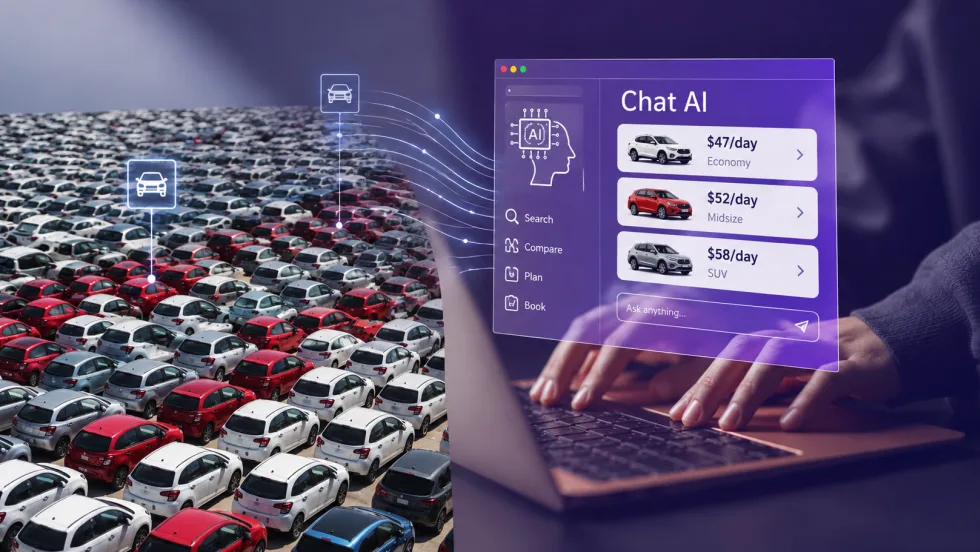
When AI Books the Rental Car, Who Controls the Sale?
As AI moves from comparing rental rates to completing transactions, operators need to understand how travelers find, interpret, rank, and ultimately see their offers. (Part 2 of 2.)
Read More →
European Booked Car Rental Rates Fell 5%, Results Varied by Country
Ireland, Cyprus, and the United Kingdom saw steep declines, while booked rates rose in Poland and Hungary.
Read More →
Is It Time to Rethink Rental Categories?
As traditional economy and compact cars disappear from the market, longtime rental operator Mike DeLorenzo asks whether the industry’s familiar vehicle categories still make sense — and what operators need to rethink along with them.
Read More →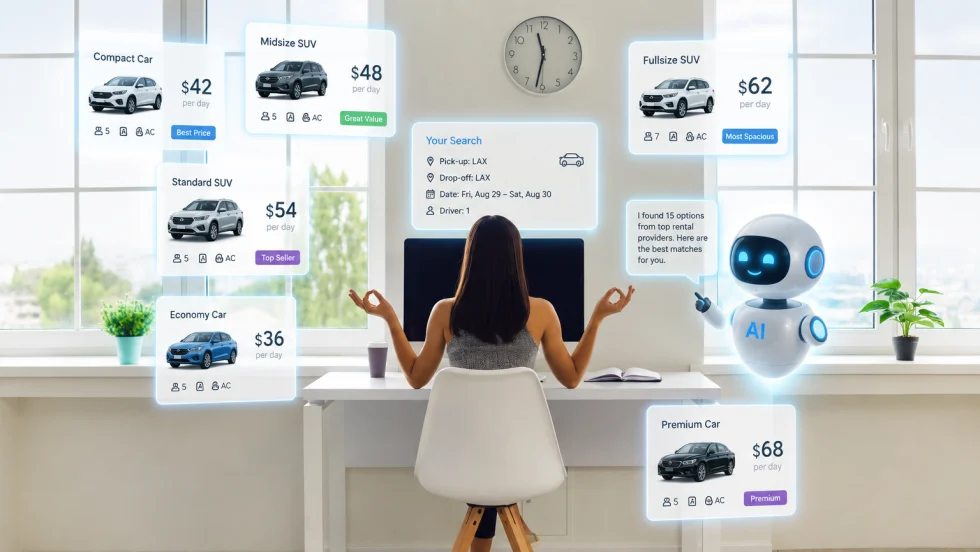
Who Owns the Rate? AI Is Creating a New Distribution Problem for Car Rental
Generative Engine Optimization asks whether AI can find a rental company, but operators also need to know whether the agent inspected enough of the market, compared equivalent offers, and presented a rate the traveler can actually book. (Part 1 of 2)
Read More →