




Fuel Storage Rules: Comply or Pay the Fine
Rapidly changing laws make it difficult to keep up with fuel storage compliance. Are you prepared for more frequent visits by state inspectors?
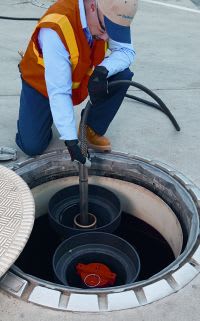
When Maryland’s attorney general announced, in mid-September, a $4 million civil penalty against a single Exxon Mobil service station for failing to carry out required leak detection precautions — resulting in undetected releases — rental car companies operating fuel storage systems should have taken notice.
The Exxon Mobil civil penalty was the highest environmental civil penalty the state ever levied. But it is not an isolated event.
In May, Jiffy Lube agreed to pay $500,000 to settle charges that its employees were not conducting required visual inspections of its oil and used oil storage containers.
In March, the Environmental Protection Agency (EPA) slapped a $3.2 million fine on an operator of 23 service stations in Maryland, Virginia and the District of Columbia for failing to assure compliance with leak detection, corrosion protection and overfill and spill prevention requirements.
A 2005 federal law requiring states to conduct more frequent and more rigorous inspections of fuel systems in order to qualify for federal funds may be prompting this stepped-up enforcement activity.
There is no reason to believe that rental car companies operating fuel storage systems will be immune from more frequent inspections and enforcement actions.
Know the New Rules
This article can barely scratch the surface of the many rules governing the operation of fuel storage systems. There are three areas of rapidly evolving changes; however, that deserve the attention of rental car companies operating fuel storage systems.
Controlling Air Emissions
Fuel storage and dispensing facilities release vapors in two ways: when fuel is delivered and when fuel is dispensed.To capture vapors that would otherwise escape when fuel is being delivered, Stage I devices are required. Stage II devices are required to capture vapors that would escape when vehicles are fueled. Most states with smoggy areas require fuel storage facilities to install Stage I vapor recovery equipment certified by the California Air Resources Board. In this way, California has set the equipment standard for the rest of the country. California has “enhanced” vapor recovery requirements for both Stage I and II (referred to as “Phases” in California).
In January 2008, EPA issued a new rule directed at controlling vapor releases during fuel deliveries. The new federal rule applies to gasoline storage tanks at locations that dispense 10,000 gallons or greater of gasoline in any 30-day period, which may only apply to high volume rental car operations.
Secondary Containment of Leaks
Secondary containment systems are designed to contain any potential leaks from the primary tank, piping and dispensing system. Secondary containment refers to those devices that capture releases from those components, such as dispenser pans, sumps where lines connect atop tanks and the interstices of double-walled tanks and lines.This is another area in which states have imposed stricter requirements than the federal government. California and Florida have distinct secondary containment requirements for tanks, which are more stringent than federal or other states’ rules.
[PAGEBREAK]
Spill Prevention and Response: Do You Have a Plan?
Federal rule changes issued in the past year and a half affect the emergency planning and preparedness obligations of those storing fuel above ground. In this area, however, the rule changes create greater flexibility.For several years federal rules have required that facilities with above-ground tanks with greater than 1,320 gallons of total storage capacity prepare and implement Spill Prevention Control and Countermeasures (SPCC) Plans. EPA has extended this compliance deadline. SPCC Plans list the facility’s emergency contacts, spill response contractors and spill response equipment and communications devices. They include a site plan showing tanks, dispensing facilities, shutoffs, leak detectors, observation and monitoring wells, drainage patterns and pathways, catch basins and storm sewers. About a year and a half ago, EPA issued new rules allowing “qualified facilities” to certify their own SPCC plans.
Keeping Up With Changes in the Law
Keeping up with changes in federal, state, and local laws governing the operation of fuel storage systems can be a daunting task. As soon as you complete one round of equipment upgrades to come into compliance with a new rule, another new rule is announced.Some steps to take to avoid infractions that can result in penalties include:
Assure your environmental compliance staff keeps current on changes in law by reading trade press, alerts from state and federal tank regulators, and environmental newsletters describing new regulations.
Create training materials (employee manuals, videos) that translate your legal obligations (for example, monthly leak detection, equipment integrity, secondary containment requirements, visual inspections, and record keeping) into tasks that employees can understand and carry out.
Create record retention binders that employees can easily keep up to date with new documents (for example, tank registration and financial assurance, monthly leak detection results, routine equipment integrity test results) and present to regulators during inspections.
Assure your equipment integrity test schedule covers local requirements, for example, for vapor recovery equipment and secondary containment device integrity tests required under state law.
Have an experienced professional evaluate the sufficiency of your tank system compliance program to assure you are not overlooking significant legal requirements.
Expect the Inspectors
Because of the requirements of the 2005 federal law, rental car companies should expect more frequent visits by state inspectors. They should also expect those inspections to be more rigorous. Having a robust environmental compliance program is the best way to assure that inspections do not result in penalties. A facility’s ability to promptly provide a visiting inspector with all required compliance records — including the records of necessary leak detection, equipment integrity testing, and visual self-inspections — can help you avoid a fine.
Tom Mounteer is a partner in the Washington office of law firm Paul Hastings, where he co-chairs the firm’s environmental practice. He can be reached at tommounteer@paulhastings.com.To subscribe to Auto Rental News magazine, click here.
More Rental Operations
How Did This Independent Rental Operator Grow to 170 Vehicles in 4 Years?
With 170 vehicles across three Kentucky locations, Joel Price relies on an overseas team to handle reservations, payments, and after-hours customer service. It's one part of an unconventional approach to growing an independent rental operation.
Read More →
What Does It Take to Succeed in B2B Rentals?
The fundamentals may be familiar to daily car rental operators, but project-based truck rentals put different demands on the fleet and the business.
Read More →
NPR Builds on International Partnerships to Grow Rental Bookings
With Ana Laborde supporting broker development, NPR Auto Group is tailoring distribution strategies, rate packages, and partnerships to grow international reservations across its three brands.
Read More →
Advantage, Sixt Place Among Top Five in Annual Satisfaction Study
While Enterprise and National retain the top spots in JD Power’s 2026 rankings, the latest customer satisfaction results suggest renters can find competitive service beyond the biggest car rental names.
Read More →
The $100,000 Insurance Trap in Exotic Car Rentals
Exotic rental agencies often rely on customers’ personal auto policies to protect six-figure vehicles. But policy language can dramatically change the coverage for vehicles over $100,000 MSRP.
Read More →
The Booking Is Confirmed, But Is Your Customer Ready to Drive?
For international renters, a confirmed reservation doesn’t always mean they’re eligible to drive. Earlier checks can help operators catch documentation and payment issues before the customer reaches the counter.
Read More →
ICRS 2027 Opens Call for Papers
The International Car Rental Show seeks session proposals on the business, operational, and technology issues facing car rental operators. Submissions are due Jan. 15.
Read More →
Turo to Launch Vehicle Delivery Service
Turo Delivered will let travelers search for vehicles that hosts can deliver directly to hotels, homes, airports, train stations, and other locations.
Read More →
Palm Beach Airport Code Change Creates Car Rental Distribution Gap
A test of rental searches under the old PBI and new DJT airport codes returned largely different sets of brands and vehicles, highlighting a potential distribution problem for rental operators.
Read More →
U-Save Continues Dominican Republic Expansion with Launch in Punta Cana
The new franchise location builds on U-Save’s existing Santo Domingo operation and will begin taking reservations for October 2026.
Read More →