



How Better Cleaning Processes Improve Rental Fleet Efficiency
A consistent approach to vehicle cleaning helps rental operators reduce turnaround delays and return vehicles to service without compromising cleanliness.
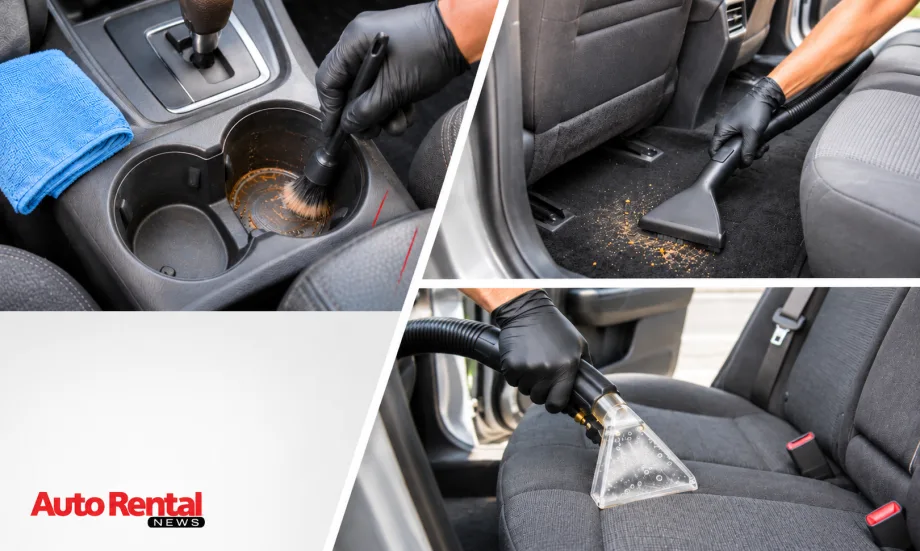
Cleaning tasks such as vacuuming, stain removal, and interior detailing require different amounts of time. Assessing each returned vehicle before cleaning helps rental operators plan the turnaround process and determine when it is ready for another customer.
Precise Mobile Auto Detailing
- Improved cleaning processes help reduce turnaround times in rental fleets.
- Consistent cleaning practices ensure vehicles are quickly returned to service.
- Efficiency in cleaning does not compromise the cleanliness of rental vehicles.
*Summarized by AI
A returned rental car can look like a quick cleanup until someone lifts a floor mat or checks the back seat. Sand, spilled drinks, pet hair, and damp carpeting can turn a routine job into something that takes longer than the schedule allows.
The challenge is recognizing that difference before work begins. A vehicle that needs vacuuming and a wipe-down should follow a different process than one with soaked upholstery or a persistent odor.
In more than 20 years of professional detailing, I've learned to assess a vehicle's condition before deciding what work is needed and when it can be completed. Rental operators can apply the same approach to reduce turnaround delays and make better decisions about vehicle availability.
Start with the Condition, Not the Clock
Before assigning a returned vehicle to routine cleaning, conduct a consistent inspection of the exterior and cabin. Check seats, carpets, floor mats, cupholders, door pockets, and the cargo area. Look beneath removable mats and around seats without disturbing wiring or safety equipment.
The goal is to identify conditions that change the job. Loose debris is different from a sticky spill. A surface stain is different from liquid that has soaked into upholstery. A strong fragrance may indicate an odor that has been covered up rather than eliminated.
Document unusual findings and take photographs according to company procedures. This helps determine the appropriate cleaning process and establishes a record of the vehicle's condition.
A brief inspection won't reveal every problem, but it can identify obvious reasons to adjust the cleaning plan before committing the vehicle to another rental.
Match the Work to the Available Window
Once you understand the vehicle's condition, compare the required work with the time available before its next rental. Include cleaning, drying, and final inspection. An estimate based only on hands-on cleaning can leave the rental team expecting a vehicle that isn't ready.
Routine cleaning can proceed when the full process fits the turnaround window. More involved work requires confirmation that the necessary staff, equipment, and time are available. Conditions requiring specialist assessment should be evaluated before establishing a completion estimate.
For example, finding a wet rear seat shortly before the next pickup should prompt an immediate conversation with the rental team. Explain the condition, what needs to happen, and when another status update will be available. The team can then arrange another vehicle or adjust availability before the customer arrives.
The pickup deadline helps identify a scheduling conflict. It doesn't shorten the cleaning or drying process.
Give Routine Cleaning a Clear Scope
Not every return requires deep cleaning. For vehicles with ordinary dust and debris, a defined process keeps work focused: remove trash, vacuum, clean appropriate interior surfaces and glass, and inspect the result.
Consistency matters more than adding unnecessary steps. Following the same cleaning sequence helps employees avoid commonly missed areas, including cupholders, seat edges, door pulls, and cargo spaces.
Surfaces should be clean and free of unwanted residue. Avoid products that leave steering wheels, pedals, or other controls slippery. Follow vehicle manufacturer guidance and cleaning-product instructions for the materials involved.
Routine cleaning also needs a stopping point. If a spill, stain, or odor cannot be resolved within the standard process, flag it for additional work rather than repeatedly attempting a quick treatment.
Separate Deeper Cleaning from Routine Turnaround
Embedded pet hair, heavy sand, sticky residue, and stained upholstery may require additional labor or equipment. Treat these as separate cleaning assignments rather than extending the routine process without adjusting the vehicle's expected availability.
Spills that penetrate upholstery or carpeting require particular attention. A surface wipe may improve the appearance without addressing moisture or residue beneath the surface.
Persistent odors also warrant investigation. Look for discarded food, spills, damp materials, or contamination before applying fragrance. Masking an odor doesn't resolve its source or establish that the vehicle is ready.
Not every stain or odor can be eliminated through routine detailing. Document unresolved conditions and communicate them to the person responsible for releasing the vehicle.
Suspected mold, bodily fluids, unknown substances, or substantial water intrusion should trigger the company's specialist assessment procedures. These conditions require evaluation before the vehicle can be returned to service.
Treat Drying as Part of the Job
A vehicle isn't ready simply because cleaning is finished. When wet cleaning or extraction is necessary, drying must be included in the turnaround estimate.
Drying time varies with the material, amount of moisture, airflow, temperature, and humidity. A seat that feels dry on the surface may still be damp along seams or beneath the upholstery.
Use cleaning methods that avoid unnecessarily saturating materials. Ford's interior-care guidance, for example, cautions against excessive water and soaking fabric. Follow the recommendations for the specific vehicle and cleaning products.
Plan for suitable drying space and equipment before beginning wet cleaning. Keep damp removable mats out until both the mats and underlying surfaces are dry, and recheck treated areas before releasing the vehicle.

Author Justin Glass, owner of Precise Mobile Auto Detailing
Justin Glass
Finish with a Release Check
Make the final inspection a separate step, even if the same employee performs it. Evaluate the interior as the next customer would.
Check seating areas, glass, cupholders, door pockets, floor mats, and cargo space. Confirm that treated areas are dry, cleaning residue is removed, and unresolved conditions are documented. Reinstall mats correctly, secure the driver's mat according to manufacturer instructions, and verify pedal clearance.
A simple handoff record should distinguish vehicles ready for rental from those awaiting drying, additional cleaning, or specialist assessment. A vehicle still waiting on one of those steps shouldn't be marked ready.
For rental operators, the objective isn't simply to clean vehicles faster. It's to recognize which vehicles can return to service quickly, which need additional attention, and when the rental team must adjust availability.
A consistent cleaning process helps prevent avoidable delays while ensuring the next customer receives a vehicle that's genuinely ready.
Quick Answers
Improved cleaning efficiency reduces the time required to prepare vehicles for the next rental, allowing operators to return vehicles to service more quickly and minimize downtime.
*Summarized by AI
More Rental Operations
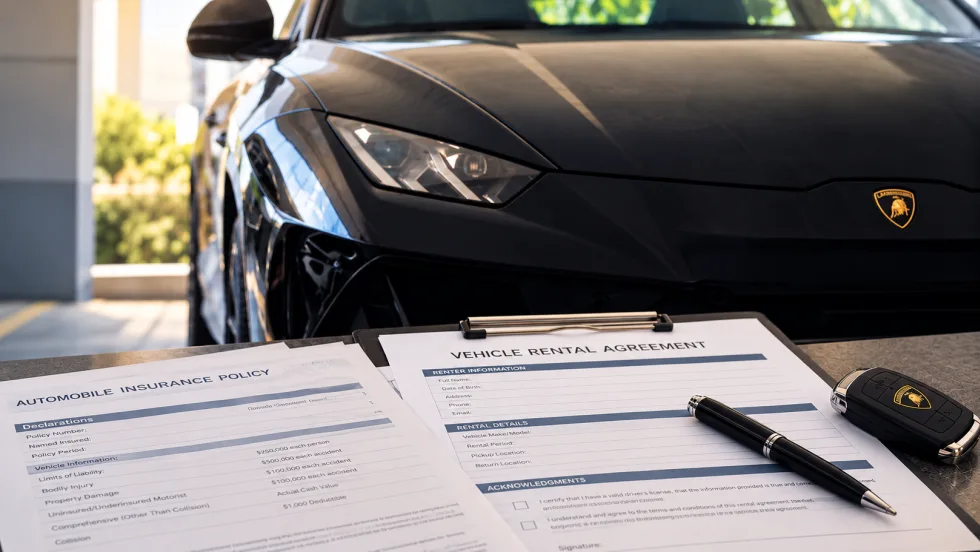
Clean on Paper: Red Flags in Exotic Car Rental Verification
A suspicious $45,000 Lamborghini booking reveals the strengths and limitations of renter verification, from forged insurance documents to coverage gaps and unauthorized drivers. (Part 2 of 3)
Read More →
Turo and Tesla Take the Next Step Toward Autonomous Car Rentals
The partnership brings Tesla's Full Self-Driving (Supervised) technology into the rental experience, offering a glimpse of how increasingly automated vehicles could change car rental.
Read More →
How Rental Operators Can Navigate Personalized Pricing Rules
As regulators scrutinize the use of customer data in pricing, rental operators need to know whether they can explain why one renter pays more than another.
Read More →
Direct, Broker or Hybrid? How Travel Retailers Source Rental Cars
As travel retailers weigh direct supplier relationships against third-party distribution, rental operators need to understand how those decisions affect their business.
Read More →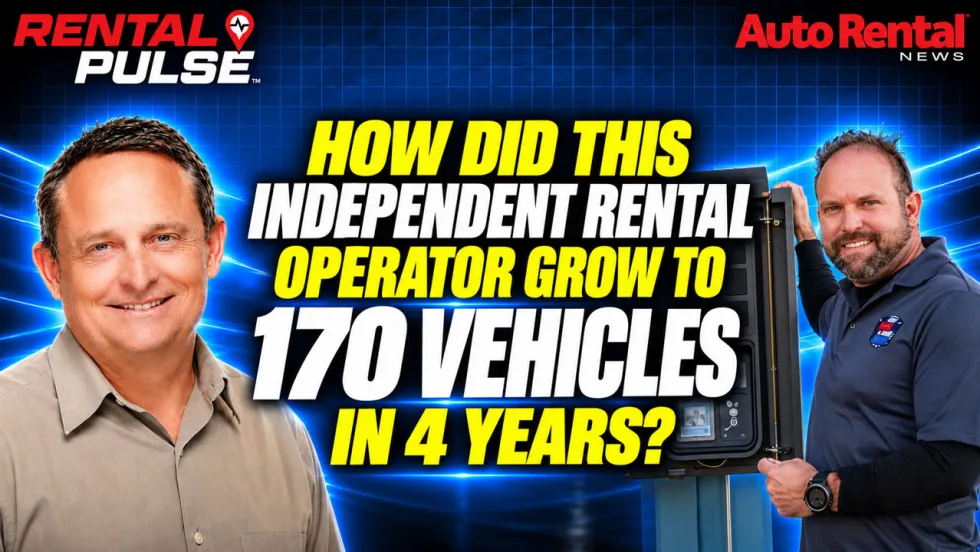
How Did This Independent Rental Operator Grow to 170 Vehicles in 4 Years?
With 170 vehicles across three Kentucky locations, Joel Price relies on an overseas team to handle reservations, payments, and after-hours customer service. It's one part of an unconventional approach to growing an independent rental operation.
Read More →
What Does It Take to Succeed in B2B Rentals?
The fundamentals may be familiar to daily car rental operators, but project-based truck rentals put different demands on the fleet and the business.
Read More →
NPR Builds on International Partnerships to Grow Rental Bookings
With Ana Laborde supporting broker development, NPR Auto Group is tailoring distribution strategies, rate packages, and partnerships to grow international reservations across its three brands.
Read More →
Advantage, Sixt Place Among Top Five in Annual Satisfaction Study
While Enterprise and National retain the top spots in JD Power’s 2026 rankings, the latest customer satisfaction results suggest renters can find competitive service beyond the biggest car rental names.
Read More →
The $100,000 Insurance Trap in Exotic Car Rentals
Exotic rental agencies often rely on customers’ personal auto policies to protect six-figure vehicles. But policy language can dramatically change the coverage for vehicles over $100,000 MSRP.
Read More →
The Booking Is Confirmed, But Is Your Customer Ready to Drive?
For international renters, a confirmed reservation doesn’t always mean they’re eligible to drive. Earlier checks can help operators catch documentation and payment issues before the customer reaches the counter.
Read More →