


New Rental Models: Where Carsharing Meets Ride Hailing in NYC
Dryve, a new service renting cars to Uber and Lyft drivers, works to make the rental process as convenient and flexible as possible.

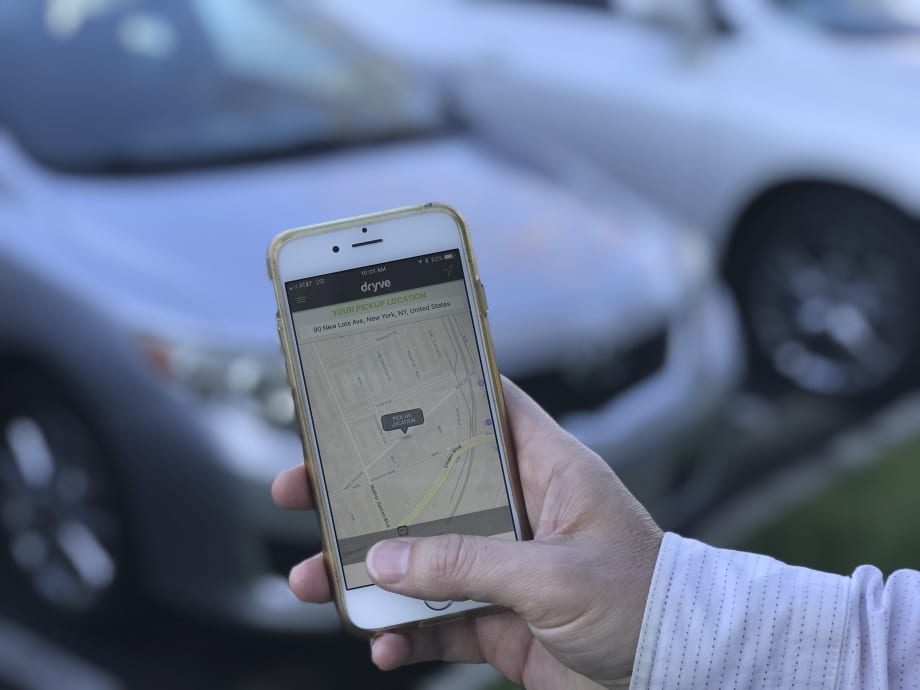
Photo by Chris Brown.
“Car rental” is growing — in nontraditional sectors. Transportation Network Companies (TNCs) such as Uber, Lyft, and Postmates need drivers, and many of those drivers don’t own cars or choose not to use their cars in a commercial application.
This is especially true in and around large cities such as New York, where parking is expensive and the proliferation of public transit makes car ownership less attractive. As a result, a growing group of entrepreneurs — not from the traditional car rental world — have stepped in to rent vehicles to TNC drivers.
Photo by Chris Brown.
In this business-to-business application, the basic method to get TNC drivers in and out of cars does not need to be sophisticated. Prominent storefronts and large sales staffs are unnecessary, longer lengths of rental minimizes vehicle turnover, the need for a range of vehicle types is limited, and ancillary product sales are insignificant.
However, in New York City, the removal of complexity in the rental process doesn’t overcome the hassles of getting cars and drivers legal to operate. Taxicab and livery drivers, and now TNC drivers, are governed through decades-old regulations dictated by the Taxi and License Commission (TLC).
In New York City, after a complicated and costly approval process, TNC drivers looking to rent a car for work must put up with rigid rental contract lengths, hefty deposits, inflexible payment options, and long notices before returning the cars.
A Convenient Platform
Enter Sam Jones, vice president and cofounder of Dryve. Jones and his partners saw a market opportunity to offer a more convenient rental alternative. “We started our business renting the typical way it was being done with TLC rentals. But in this age of instant gratification, we knew we could do better,” Jones says, referencing Amazon’s new two-hour delivery service as an example.
“For us it is about doing what is best for our customers. To make a driver sign a contract with a two-week return notice isn’t what’s best,” Jones says. “We are all trying to provide for our families, and to pay for a car rental when you’re not able to work, for whatever reason, is just an added and unnecessary expense. We needed to fix that.”
The Dryve platform is built on Rent Centric’s carshare technology, which controls the app, vehicle hardware, and rental process. Jones started with a test batch of cars on the Rent Centric platform in June 2017 and has continuously added cars since.
After going through New York’s TLC application process and receiving their licenses, drivers can apply to Dryve. Once approved, they can rent Dryve vehicles through the app. The cars occupy street parking in Brooklyn, Queens, and the Bronx, in mostly residential neighborhoods, close to where drivers live. The rental system is divided into zones, and drivers can pick up and drop off vehicles in any street-legal spot within the designated zone.
Jones explains that the Dryve platform is ideal from a cost and access standpoint for those who drive on an hourly basis and those who drive up to 50 hours a week. “When renting from the traditional TLC rental model, a driver is paying for the car even when he is asleep, while Dryve renters save money by only renting for the hours they want to work,” Jones says.
Dryve offers a 24/7 customer support team available via phone, text, or email, which includes roadside assistance for any and all maintenance issues, including flats and towing. In some instances Dryve will dispatch a maintenance team directly to the car to remediate an issue.
Perfecting the Model
Dryve predominantly rents 2018 Toyota Camry SE models with few cars older than the 2017 model year. Dryve does not charge a deposit to rent, a significant change from the traditional TLC rental model, Jones says. Dryve accepts payment via credit or debit card, and toll transponders are included in the vehicles.
While fleeting cars with higher mileage (and lower initial cost) seems attractive, Jones wants to avoid the maintenance and downtime issues of high-mileage cars. “Yes, other companies offer high-mileage cars at a cheaper price per week, but a driver will lose income if the car is in the shop for any length of time. So in the long run, the driver is the only one losing out.”
While traditional rental companies manage mileage accumulation closely, Jones isn’t too worried. Particularly in Manhattan and Brooklyn, it’s hard to accrue more than six to eight miles an hour, he says.
That said, the company is still streamlining the process to minimize costs — such as parking tickets and towed vehicles — and maximize driver value. “We are constantly refining the process, making system changes, and working to minimize costs.” says Jones.
Jones is banking on growth by carving a niche with Dryve’s flexible and convenient platform. “We’re going to grow because we care about the customer first. Everything else follows that.”
A successful system today is dependent on technology and its thoughtful application. “Technology always wins,” Jones says. “You just have to make sure you’re doing it with the right thought process. Good intention breeds good results.”
More Rental Operations

What Does It Take to Succeed in B2B Rentals?
The fundamentals may be familiar to daily car rental operators, but project-based truck rentals put different demands on the fleet and the business.
Read More →
NPR Builds on International Partnerships to Grow Rental Bookings
With Ana Laborde supporting broker development, NPR Auto Group is tailoring distribution strategies, rate packages, and partnerships to grow international reservations across its three brands.
Read More →
Advantage, Sixt Place Among Top Five in Annual Satisfaction Study
While Enterprise and National retain the top spots in JD Power’s 2026 rankings, the latest customer satisfaction results suggest renters can find competitive service beyond the biggest car rental names.
Read More →
The $100,000 Insurance Trap in Exotic Car Rentals
Exotic rental agencies often rely on customers’ personal auto policies to protect six-figure vehicles. But policy language can dramatically change the coverage for vehicles over $100,000 MSRP.
Read More →
The Booking Is Confirmed, But Is Your Customer Ready to Drive?
For international renters, a confirmed reservation doesn’t always mean they’re eligible to drive. Earlier checks can help operators catch documentation and payment issues before the customer reaches the counter.
Read More →
ICRS 2027 Opens Call for Papers
The International Car Rental Show seeks session proposals on the business, operational, and technology issues facing car rental operators. Submissions are due Jan. 15.
Read More →
Turo to Launch Vehicle Delivery Service
Turo Delivered will let travelers search for vehicles that hosts can deliver directly to hotels, homes, airports, train stations, and other locations.
Read More →
Palm Beach Airport Code Change Creates Car Rental Distribution Gap
A test of rental searches under the old PBI and new DJT airport codes returned largely different sets of brands and vehicles, highlighting a potential distribution problem for rental operators.
Read More →
U-Save Continues Dominican Republic Expansion with Launch in Punta Cana
The new franchise location builds on U-Save’s existing Santo Domingo operation and will begin taking reservations for October 2026.
Read More →
When AI Books the Rental Car, Who Controls the Sale?
As AI moves from comparing rental rates to completing transactions, operators need to understand how travelers find, interpret, rank, and ultimately see their offers. (Part 2 of 2.)
Read More →